


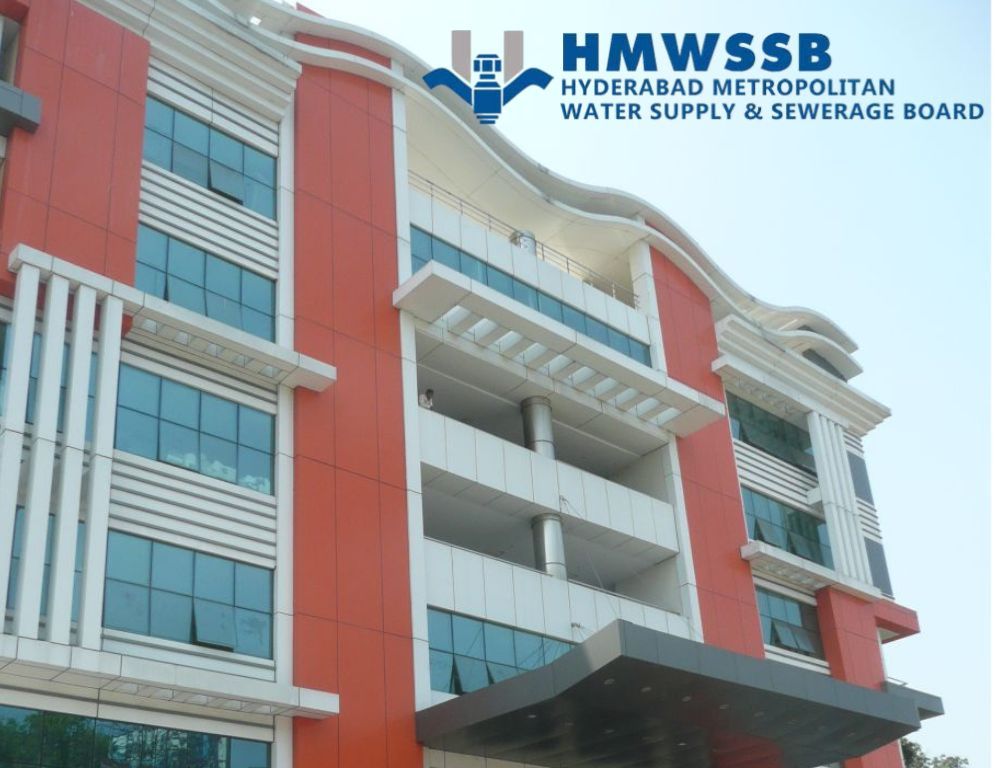
Hyderabad’s public water utility has initiated a transition to digital governance with the launch of an electronic file management system, signalling a broader shift towards paperless administration across civic departments. The move by the Hyderabad Metropolitan Water Supply and Sewerage Board is aimed at accelerating approvals, strengthening accountability and reducing administrative delays in a city grappling with rapid urban expansion.
The newly introduced e-office platform replaces conventional paper-based file circulation with electronic creation, routing and storage of documents. Officials said the system is designed to streamline internal workflows, enable structured decision-making and minimise the time lost in physical movement of files between divisions.For a utility responsible for supplying drinking water and managing sewerage networks across a growing metropolitan region, faster administrative processing has direct service implications. File approvals related to infrastructure maintenance, network expansion, billing systems and contractor payments often determine project timelines. Digitisation is expected to reduce procedural bottlenecks and provide real-time visibility into pending cases.
The initiative also introduces tracking and audit trails, allowing supervisory officers to monitor the progress of files at each stage. Urban governance specialists note that such systems improve institutional memory and reduce dependency on manual record-keeping, which can be vulnerable to loss, duplication or delays.Beyond efficiency, the shift has environmental implications. Large public utilities process thousands of documents annually, consuming significant volumes of paper. By digitising routine administrative operations, the board is aligning with broader climate-responsive governance goals that emphasise resource conservation within public institutions.
Officials indicated that the e-office rollout will gradually extend to all divisions under the board’s jurisdiction. The long-term objective is to establish a fully paperless internal administration, integrated with other digital platforms already used for consumer grievance redressal and billing services.Urban planners say that digital back-end reforms are often overlooked but critical to sustainable city management. As Hyderabad continues to expand its residential and commercial footprint, demand for reliable water supply and wastewater treatment is intensifying. Administrative agility becomes essential when utilities must coordinate with planning authorities, contractors and regulatory agencies.
The development also reflects a wider push across Indian states to modernise civic administration through electronic governance tools. By standardising procedures and reducing manual intervention, such systems can help build citizen trust in service delivery and create data trails that support performance evaluation.For Hyderabad, where infrastructure investments are central to economic growth and real estate development, institutional reform within utilities may prove as consequential as capital spending. The success of the Hyderabad Metropolitan Water Supply and Sewerage Board e-office initiative will likely shape how other departments adopt similar paperless systems in the months ahead.
Hyderabad Water Board adopts e office system
