


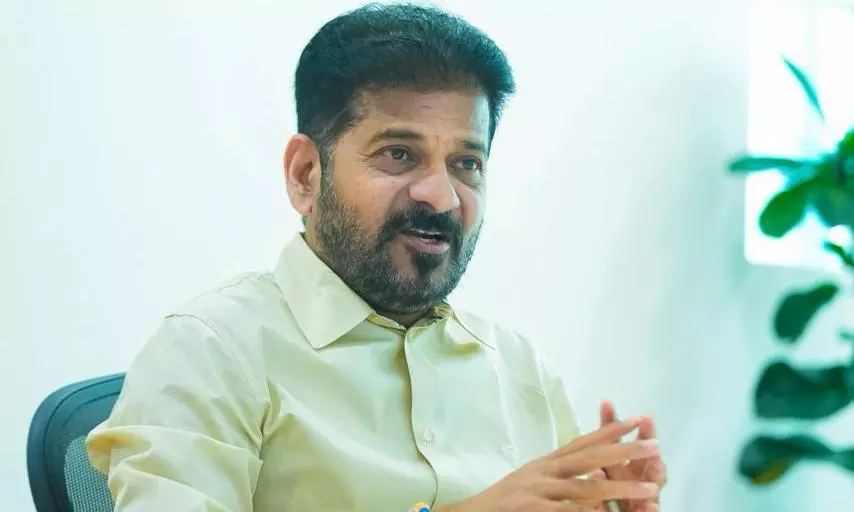
The Telangana government has initiated steps to draft a Core Urban Act aimed at restructuring civic governance across municipal corporations located within Hyderabad’s Outer Ring Road corridor. The proposed legislation is intended to replace the existing municipal framework and establish a unified administrative structure for the capital region’s fast-growing urban core.
Senior officials confirmed that the law would cover jurisdictions currently administered by the Greater Hyderabad Municipal Corporation, Malkajgiri Municipal Corporation and Cyberabad Municipal Corporation. By bringing these entities under a single statutory umbrella, the government hopes to address overlapping mandates, streamline infrastructure management and improve service delivery standards.The reform proposal emerged during a high-level review of municipal administration and urban development at the State Secretariat. According to officials present, sanitation, solid waste management and public cleanliness will be central pillars of the proposed Core Urban Act, particularly in densely built neighbourhoods where waste disposal and open dumping have become persistent challenges.
Urban policy experts say a consolidated governance model could help Hyderabad better manage growth pressures inside the Outer Ring Road, where residential expansion, commercial districts and technology corridors have intensified land use. Fragmented oversight has often complicated road maintenance, drainage works and solid waste processing, leading to duplication of effort and slower response times.As part of the restructuring exercise, the government has indicated that roads currently managed by the Roads and Buildings department within the designated core zone may be transferred to the Municipal Administration and Urban Development department. Officials argue that such a move would clarify accountability for upkeep and capital expenditure planning.
The proposed Core Urban Act is being conceptualised within a broader long-term development framework that segments the state into capital, peri-urban and rural growth clusters. The capital region component is expected to prioritise infrastructure resilience, public health systems and sustainable waste management practices — areas that are increasingly critical as climate events intensify and urban densities rise.In parallel, authorities have been directed to identify scientifically planned waste processing and landfill alternatives to prevent indiscriminate dumping in open areas. Environmental planners note that integrated waste management facilities, if properly located and regulated, could reduce groundwater contamination and methane emissions while improving liveability in surrounding neighbourhoods.
The review meeting also examined progress on new public infrastructure projects within the emerging Bharat Future City precinct, with an emphasis on timely completion. Real estate analysts suggest that clearer governance structures and predictable civic services could enhance investor confidence in the metropolitan market, particularly in mixed-use and institutional developments within the ORR belt.The next stage will involve drafting the legislative framework and consulting relevant departments. If enacted effectively, the Core Urban Act could redefine how India’s rapidly expanding capital regions balance administrative efficiency with inclusive and climate-responsive urban growth.
Also Read:Bengaluru Hyderabad High Speed Rail Launch Advances
Telangana Core Urban Act For Hyderabad
