Bengaluru Advances Water Reuse and Groundwater Planning
Bengaluru is intensifying efforts to safeguard its urban water supply as the city approaches another dry season, with experts and civic authorities convening to examine scalable strategies for water resilience. A public forum brought together government officials, researchers, and residential stakeholders to explore ways to optimise supply, improve wastewater reuse, and enhance groundwater management.
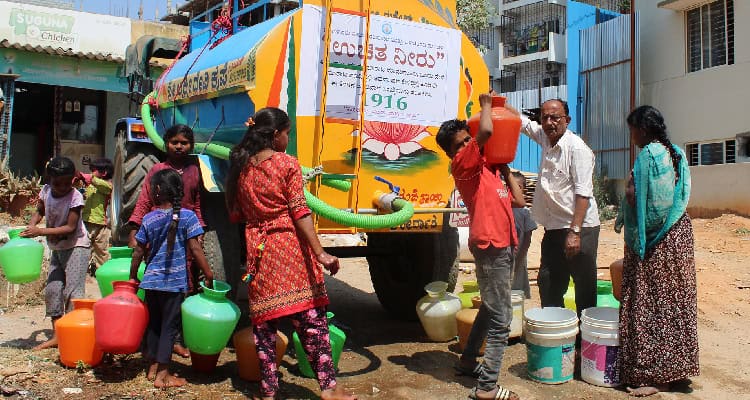
Urban water demand in Bengaluru has been steadily rising, driven by high-density apartments and peripheral layouts. A senior official from the city water board highlighted the role of recent infrastructure projects, including expanded surface water supply, in buffering seasonal shortages. Yet, the discussion underscored that long-term water security requires more than centralised supply it demands coordinated action at the community and household level. Apartment complexes, which constitute a significant portion of the city’s consumption, were a central focus. Industry experts noted that while many complexes have installed sewage treatment systems, operational inefficiencies and high maintenance costs limit their potential for effective reuse. Properly managed systems, they stressed, could substantially reduce dependence on tanker water and freshwater extraction, while also offering cost advantages over unmonitored consumption.
Decentralised solutions such as rainwater harvesting and greywater separation were highlighted as critical to sustainable urban water management. Advocates called for creating viable markets for treated wastewater, particularly for construction, landscaping, and non-potable uses, instead of returning it to overburdened sewer networks. The debate also considered the balance between integrating smaller apartment treatment units with larger municipal systems to achieve economies of scale without compromising decentralised efficiency. Data-driven groundwater management emerged as another priority. Researchers outlined ongoing monitoring initiatives that deploy thousands of sensors across wards to map extraction levels, track stress zones, and guide preventive measures. Installing meters on borewells, conducting seasonal water quality tests, and measuring per capita consumption were recommended as foundational steps to curb overextraction and strengthen governance.
The forum concluded with a recognition that water resilience is a long-term challenge requiring sustained behavioural, infrastructural, and policy interventions. Beyond expanding supply and upgrading treatment facilities, authorities and citizens must collaborate to adopt water-saving practices, invest in recharge structures, and build confidence in treated wastewater reuse. As Bengaluru braces for summer demand, the session reinforced that securing the city’s water future will depend equally on large-scale projects and everyday decisions within households and apartment communities. The collective adoption of decentralised solutions, data-informed planning, and consistent operational discipline could shape a more sustainable urban water landscape in the years ahead.