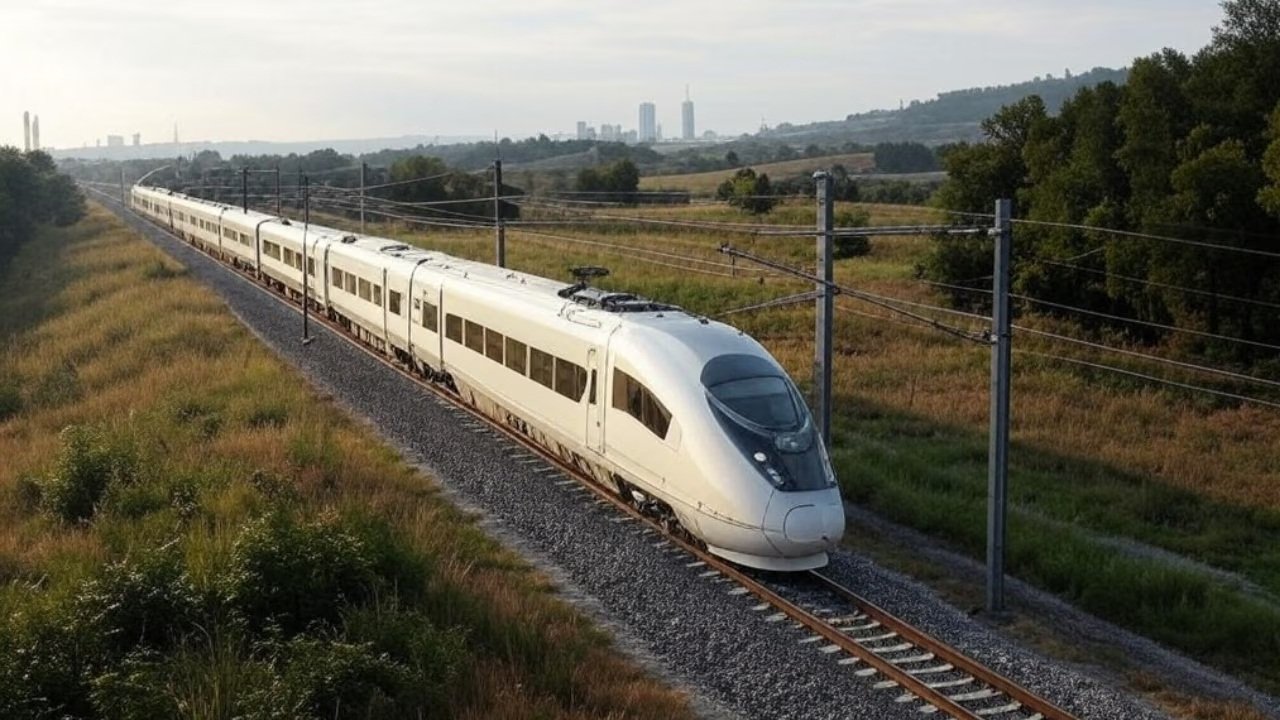
Bengaluru Hyderabad High Speed Rail Launch Advances
Bengaluru has taken a pivotal step towards transforming regional connectivity, as officials initiate the implementation phase of a high-speed rail corridor linking the city to Hyderabad. The project, which spans multiple states but includes around 100 kilometres in Karnataka, aims to reduce current travel times dramatically, potentially facilitating journeys in just two hours. Urban planners and economic analysts suggest this could reshape mobility, business, and investment patterns across Southern India.
Officials from the central railway authority recently held high-level discussions with Karnataka’s Infrastructure Development Department to coordinate the next stages of construction. The corridor, highlighted in the recent Union Budget, signals a shift from planning to active execution. Experts emphasise that efficient cross-state collaboration will be critical, given the technical complexity and land acquisition challenges inherent in high-speed rail projects. For cities like Bengaluru and Hyderabad, this corridor is expected to alter the urban and economic landscape significantly. Analysts note that faster intercity travel could decentralise employment hubs, encourage satellite city development, and increase real estate demand along the corridor. Urban planners underscore the potential for reducing road congestion and greenhouse gas emissions by providing a low-carbon alternative to conventional road and air travel. Incorporating climate-resilient infrastructure and energy-efficient rail technology will be essential to ensure the project aligns with broader sustainability goals.
From an economic perspective, the corridor could accelerate regional trade and business connectivity. Rapid transit between two major tech and industrial centres could strengthen supply chains, support just-in-time logistics, and expand talent mobility. Experts also caution that careful urban integration is necessary; transit-oriented development, inclusive station planning, and last-mile connectivity will determine whether benefits extend equitably across communities. Karnataka’s involvement in the 100-kilometre stretch presents both opportunities and challenges. Land acquisition, environmental impact assessments, and alignment with state-level transport policies will be closely monitored. Industry specialists note that timely resolution of these factors is critical to prevent project delays, which have historically affected large-scale infrastructure initiatives.
As implementation progresses, attention will likely shift to funding models, construction timelines, and integration with existing rail networks. Urban development experts emphasise the importance of ensuring that high-speed rail complements, rather than replaces, local mobility solutions, and that stations are designed to foster inclusive, people-first urban spaces. The Bengaluru–Hyderabad high-speed rail corridor represents a landmark infrastructure investment with wide-ranging implications. If executed effectively, it could not only redefine intercity travel but also support climate-conscious urban growth and equitable economic opportunities in Southern India.