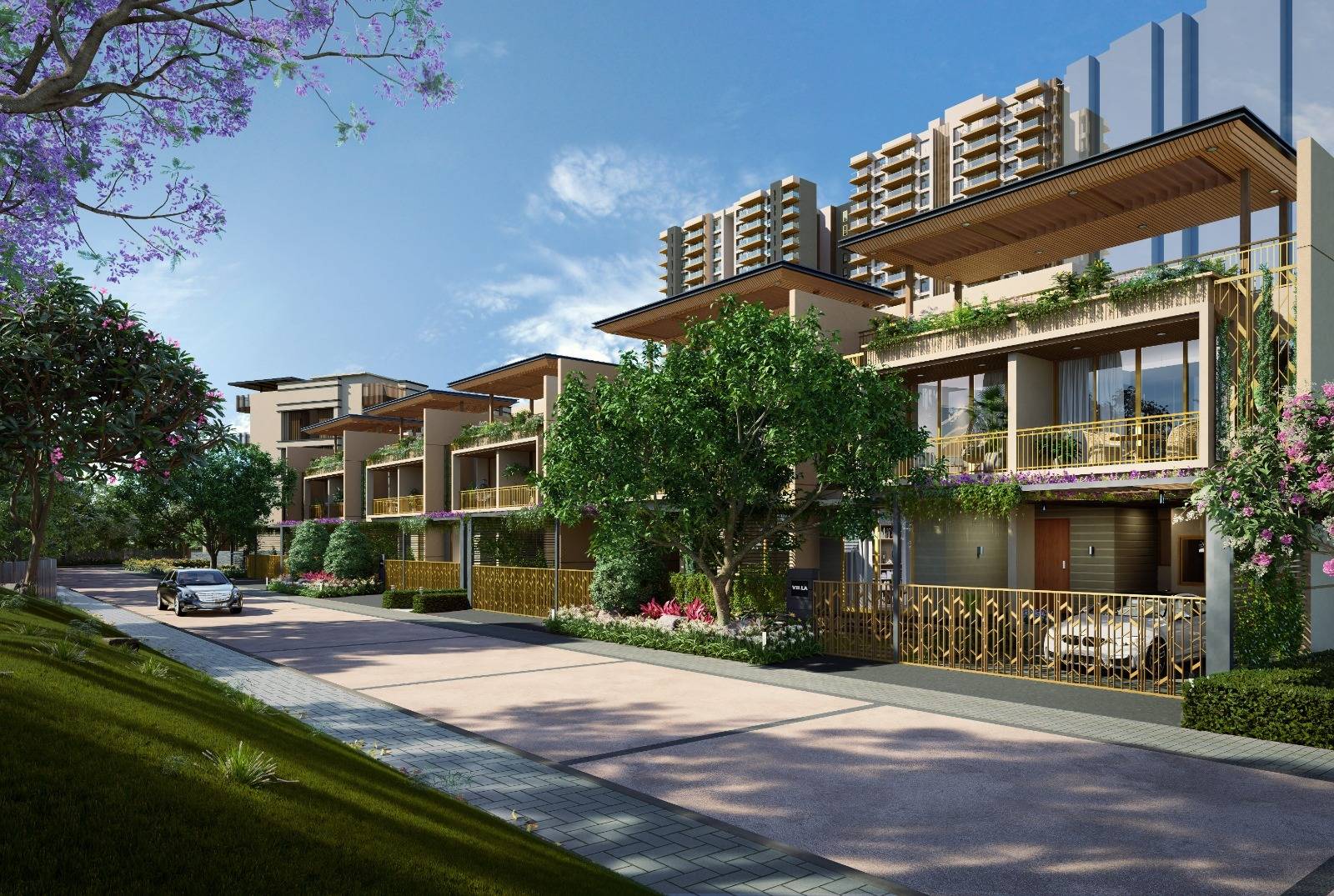
Merlin Prime Spaces has acquired a land parcel in Pune for approximately ₹2.73 billion, marking another significant transaction in a city where developers are steadily replenishing their project pipelines amid sustained housing demand. While specific project details are yet to be formally disclosed, industry sources indicate that the acquisition is intended for a large-scale residential development. The deal reflects continued investor confidence in Pune’s mid- to premium-housing segments, even as broader real estate markets across India recalibrate after two years of accelerated post-pandemic recovery.
Pune has emerged as one of the country’s most resilient residential markets, supported by its technology and manufacturing base, a steady influx of skilled professionals, and improving infrastructure connectivity. Analysts note that land banking has become central to developer strategy, particularly in growth corridors linked to metro expansion, ring road alignments and airport proposals. Large land acquisitions such as this one typically signal multi-phase developments, often combining varied apartment typologies with supporting amenities. Urban economists point out that in a supply-constrained environment, timely land aggregation allows developers to control future inventory pricing and maintain margins in an increasingly competitive market.
However, land transactions of this scale also raise broader planning questions. Pune’s urban footprint has expanded rapidly over the past decade, intensifying pressure on water resources, mobility systems and peri-urban ecosystems. City planners stress that new residential layouts must align with transit-oriented development principles, incorporate decentralised waste management and adopt climate-responsive building practices to reduce long-term environmental costs. Market observers suggest that institutional and organised players are increasingly focusing on compliance, transparent title due diligence and infrastructure readiness before entering land deals. This trend reflects tighter financial oversight and more cautious capital deployment compared to the speculative land purchases seen in earlier cycles.
For homebuyers, such acquisitions signal future supply but not immediate availability. Large projects typically require regulatory approvals, environmental clearances and phased construction schedules before units reach the market. Depending on zoning norms and Floor Area Ratio allowances, the upcoming development could significantly influence micro-market pricing dynamics. Pune’s housing demand continues to be shaped by a mix of end-users and investors seeking long-term appreciation linked to infrastructure upgrades.
As metro connectivity extends and peripheral road networks strengthen, suburban pockets are attracting fresh residential investment. The ₹2.73 billion transaction underscores how land remains the foundational asset in urban expansion. The real test will lie in how the eventual project integrates sustainability benchmarks, mobility access and community infrastructure factors that increasingly define value in India’s evolving metropolitan landscape.
Pune Land Deal Signals Housing Expansion