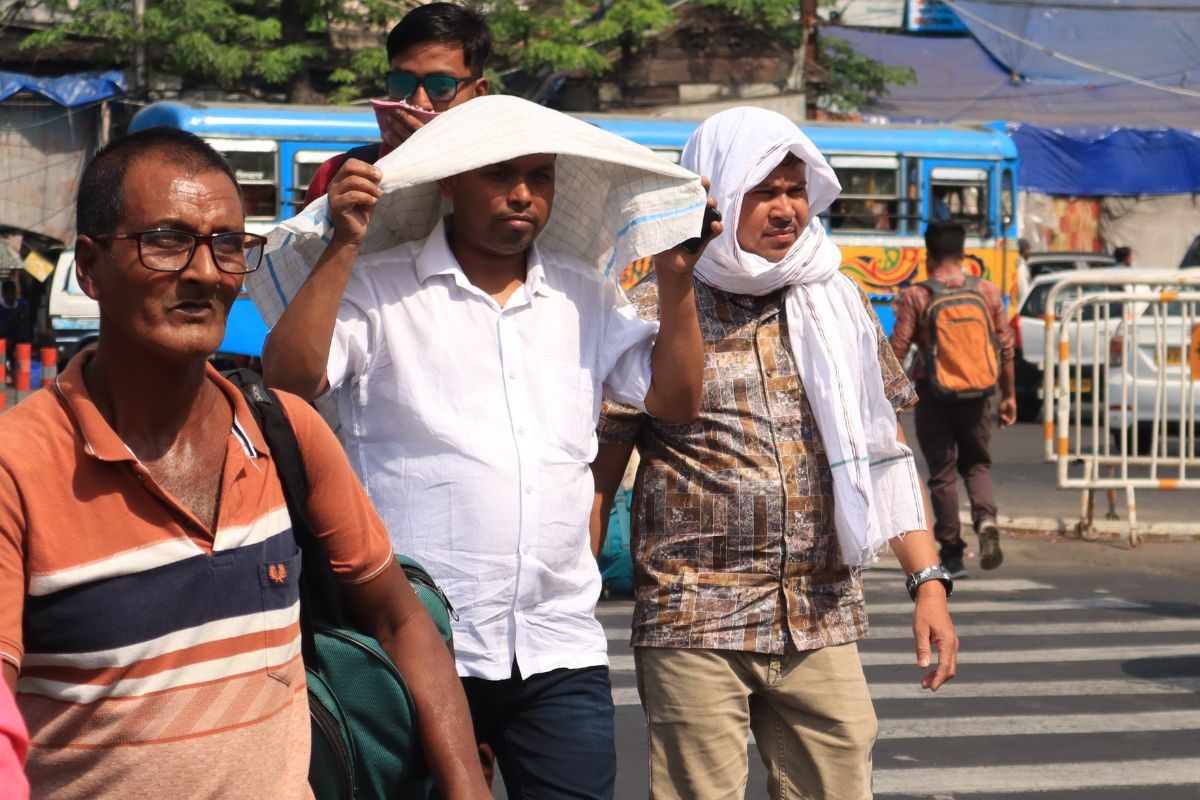
Kolkata and several districts across South Bengal are entering a phase of rising temperatures, with forecasters indicating a gradual build-up of heat from early this week. While mornings still retain a mild winter feel, the shift underway in the Kolkata weather update signals the start of a seasonal transition that carries implications for public health, energy demand and urban infrastructure management.
Meteorological officials at the Alipore observatory indicate that no abrupt temperature spike is expected over the next 48 hours. However, minimum temperatures across parts of South Bengal are likely to climb by 2–4°C from midweek, with daytime readings in Kolkata projected to approach the mid-30s Celsius in the first week of March. On Monday, the city recorded a maximum of 32°C and a minimum slightly above 24°C figures that are typical for the pre-summer shoulder period but trending upward. Urban planners note that even incremental temperature increases can have outsized effects in dense cities like Kolkata, where heat retention is amplified by built surfaces, traffic emissions and limited green cover in some zones. A senior civic official said authorities are monitoring conditions as part of seasonal preparedness, particularly in relation to drinking water supply, healthcare readiness and power distribution networks.
Across North Bengal, conditions remain comparatively comfortable for now. Clear skies and light winds are prevailing in many districts, though light rain and early morning fog are possible. Reduced visibility in some areas dropping to a few hundred metres may disrupt road and rail movement intermittently. Temperatures there are also expected to edge up by 2–3°C over the coming days, signalling a broader regional warming pattern. The evolving Kolkata weather update comes as a western disturbance is forecast to influence northern parts of the subcontinent, potentially introducing short-term variability in wind and cloud conditions. While South Bengal is expected to remain largely dry, meteorologists caution that fluctuating heat patterns during seasonal transitions are becoming more common amid changing climate dynamics.
For the city’s real estate and construction sectors, the gradual rise in temperatures underscores the urgency of climate-responsive building design. Industry experts say improved ventilation, reflective roofing, shaded pedestrian corridors and expanded urban tree cover are no longer optional add-ons but central to resilience planning. With summer approaching earlier in recent years, municipal agencies are expected to intensify awareness campaigns and heat preparedness measures. As this Kolkata weather update points to warmer afternoons ahead, the coming weeks will test how effectively the metropolis balances growth with climate adaptation in an era of rising urban heat stress.