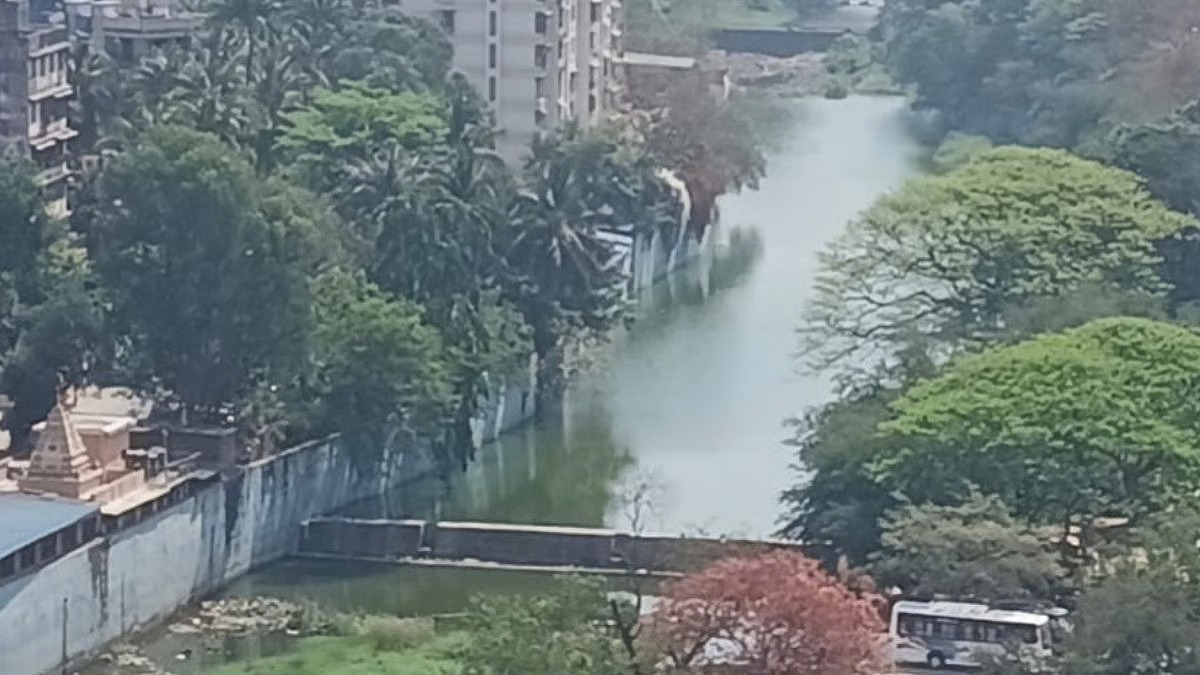
Mumbai’s long-running citizen movement for cleaner urban rivers will return to the spotlight on March 8, as residents gather along the Dahisar River for the 12th edition of the River March. The annual walk has evolved into one of the city’s most sustained civic campaigns, reflecting how environmental stewardship has become inseparable from debates on public health, climate resilience and equitable urban development.
The march, scheduled for early morning hours, is expected to draw participation from neighbourhood groups, families and environmental volunteers. Organisers describe the event as a peaceful assertion of citizens’ right to healthy urban ecosystems, particularly at a time when Mumbai is grappling with flooding risks, pollution stress and pressure on natural drainage systems. The River March movement emerged over a decade ago when awareness of Mumbai’s rivers was limited largely to flood-related crises. Since then, sustained public engagement has gradually shifted rivers such as Dahisar, Poisar, Oshiwara and Mithi into the mainstream urban policy conversation. Urban planners note that these watercourses are not just environmental assets but critical infrastructure that influence stormwater management, land values and neighbourhood liveability.
Over the years, increased scrutiny has translated into institutional responses. The Brihanmumbai Municipal Corporation has initiated sewage treatment and river rejuvenation projects, including new treatment plants aimed at intercepting untreated waste before it enters river channels. Legal oversight and regulatory monitoring have also strengthened, creating a framework where civic pressure feeds into administrative accountability. Despite progress, challenges persist. Environmental experts point out that while sewage interception has improved in parts of the city, non-point pollution sources—such as solid waste dumping and animal waste discharge—continue to degrade river health. Additionally, the growing use of concrete embankments and channelisation, often justified as flood-control measures, has raised concerns about long-term ecological damage and reduced groundwater recharge.
From an urban economy perspective, healthier rivers carry tangible benefits. Cleaner waterways can reduce public health costs, lower flood damage risks, and support more resilient real estate development along river corridors. Cities globally are rethinking rivers as multifunctional public spaces, combining ecology with recreation and mobility. Mumbai’s River March, urban analysts say, reflects a similar aspiration, even if the transition remains incomplete. The movement’s longevity is notable in a city where civic campaigns often fade after initial momentum. Its endurance suggests a growing maturity in citizen-led urban engagement, where environmental issues are framed not as isolated causes but as central to the city’s future growth model.
As Mumbai prepares for another monsoon season and continued climate uncertainty, the March 8 gathering is likely to serve less as a protest and more as a reminder: river restoration is a long-term process requiring coordination between communities, planners and public institutions. How effectively that coordination deepens in the coming years may shape whether Mumbai’s rivers evolve from liabilities into assets for a more climate-resilient city.
Mumbai Citizens Renew Push For River Rejuvenation