NCR Growth Shifts Northward To Sonipat Kundli Corridor
SONIPAT-KUNDLI — The northern segment of the National Capital Region (NCR) is rapidly emerging as a pivotal real estate growth corridor, with the Sonipat–Kundli axis attracting heightened investor interest, infrastructure investment and shifting urban demand.
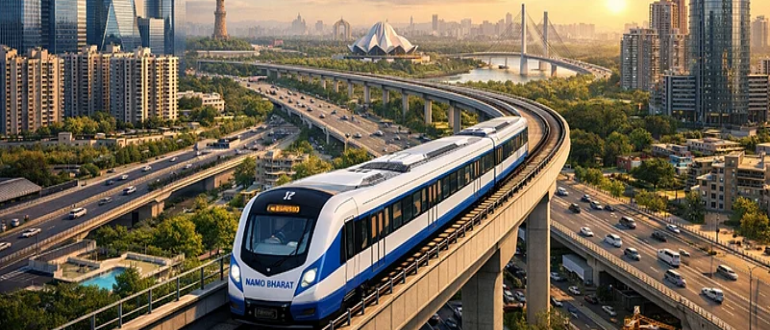
A confluence of transit upgrades, affordable land parcels and strategic planning is reshaping this peri-urban belt into one of the NCR’s most dynamic housing and economic expansion zones. Historically characterized by agricultural and low-density uses, the Sonipat–Kundli corridor has in recent years undergone substantive connectivity improvements. Expanded expressway networks such as the Western Peripheral Expressway and Eastern Peripheral Expressway have significantly reduced travel times from Sonipat to central Delhi and adjoining urban districts. Simultaneously, planned enhancements to metro and regional rail links have strengthened the area’s integration into the larger NCR labour and transit ecosystem. This evolving transport matrix is central to the corridor’s appeal, reducing mobility friction and enabling viable daily commuting from more affordable locations.
Real estate developers and investors point to several interlinked drivers behind the northward shift in NCR property activity. First, the relative affordability of plots and completed land parcels in the Sonipat–Kundli belt contrasts sharply with rising prices in established hubs like Gurugram and Noida. Larger parcel sizes and lower entry prices make the corridor particularly attractive for mid-income homebuyers and small to medium enterprises seeking space for offices or light industrial facilities. This “value-led growth” narrative has dovetailed with rising interest from both owner-occupiers and institutional capital seeking stable long-term returns. The city planning perspective highlights that such expansion must account for more than just transportation and land cost.
As population and economic activity intensify in the corridor, demand for reliable utilities — including potable water, sewage systems, power supply and digital infrastructure — will grow. Urban governance experts emphasise the importance of proactive utility planning and service delivery frameworks to prevent bottlenecks that often accompany rapid peri-urban growth. This is especially relevant given the region’s ongoing transition from primarily agrarian land uses to mixed-use urban settlements. Another significant trend shaping Sonipat–Kundli’s real estate ascent is the emergence of integrated township models. Developers are packaging residential plots with planned amenities such as parks, schools, commercial zones and internal mobility networks, catering to a demographic that increasingly values quality of life alongside affordability. These township developments also offer an implicit form of climate-responsive design, incorporating green buffers and open spaces that can moderate urban heat and support more resilient neighbourhood fabric.
The corridor’s growth also reflects broader shifts in work and lifestyle patterns. With hybrid and remote work arrangements persisting in many professional sectors, the traditional requirement to reside near dense city cores has relaxed. Well-connected peri-urban areas like Sonipat–Kundli — offering larger living spaces and short transit links — are now positioning themselves as attractive alternatives for families and professionals alike. Nevertheless, sustaining this development trajectory will require judicious planning and infrastructure investment. Coordinated efforts between municipal bodies, state agencies and private developers are essential to align land use policies, mobility networks and environmental safeguards. Ensuring that utilities keep pace with real estate expansion and that public transport options are enhanced will be critical to maintaining liveability and economic opportunity in the corridor.
As the Sonipat–Kundli corridor continues to attract capital and residents, its evolution may signal a wider realignment in the NCR’s urban geography — one where peripheral growth hubs become integral complements to established city cores.