Patna Inspects Metro Tunnelling Impact On Heritage Buildings
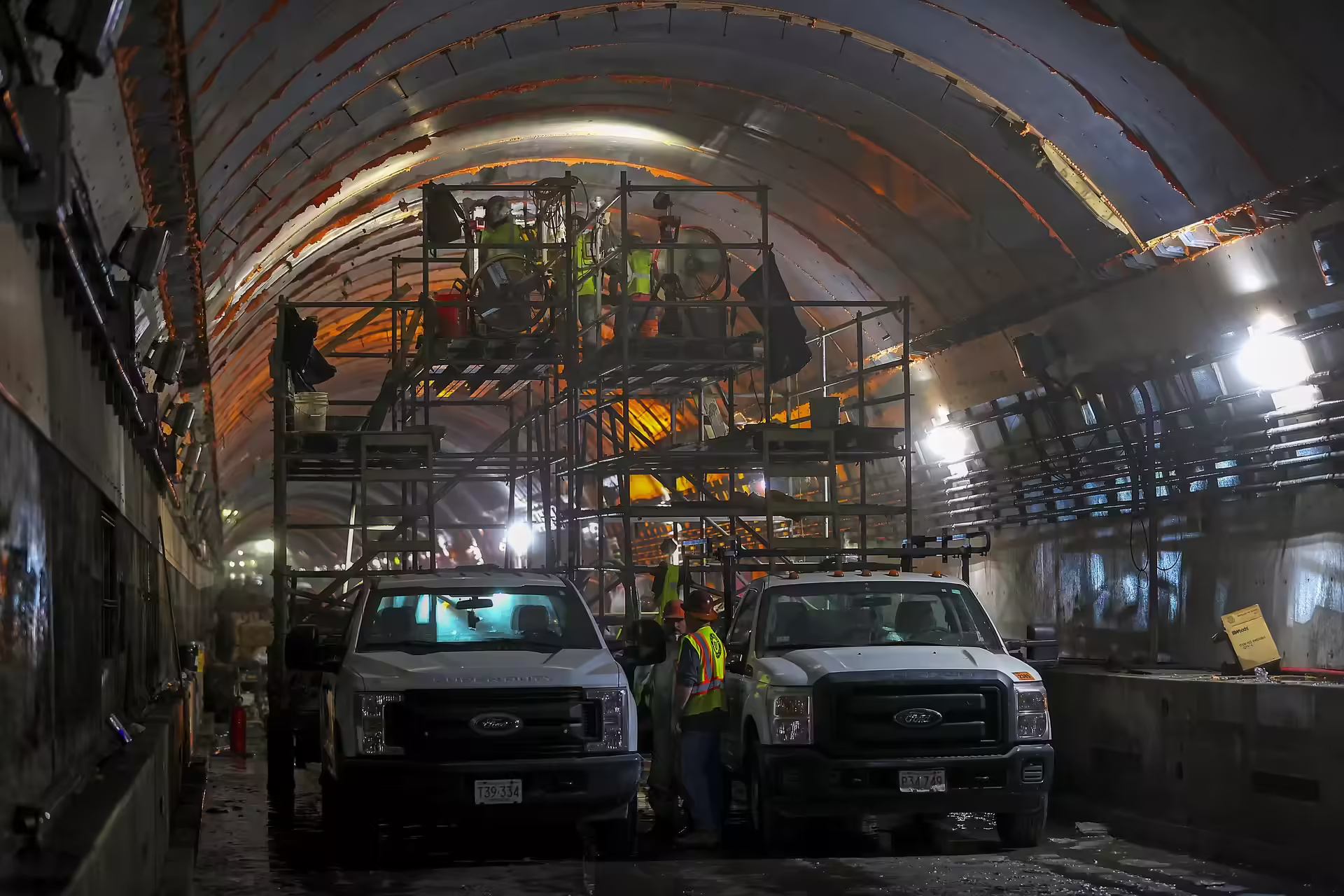
PATNA — Concerns about structural stress on buildings along Ashok Rajpath have prompted authorities to prioritise detailed assessments amid ongoing Patna Metro tunnelling, as cracks reported in several structures — including heritage assets — become part of official scrutiny ahead of broader underground operations.
The move highlights the tension between rapid urban transit expansion and the need to safeguard historic and everyday buildings in one of Bihar’s densest city corridors. Deputy Chief Minister and Urban Development Minister assured the state assembly that the cracks observed in a number of buildings will be examined with urgency, amid questions raised during legislative proceedings about the impact of deep excavation and tunnel boring along the Ashok Rajpath trench. A joint technical inspection conducted earlier this month involving project engineers and transit experts found no significant widening of existing fissures, but officials committed to follow-up checks to monitor building integrity.
The affected stretch falls along one of the city’s oldest urban precincts, where heritage structures and institutional buildings line a busy thoroughfare. One such heritage property, with Doric columns dating back to the early 20th century, has become a focal point for civic concerns as tunnelling progresses beneath the urban fabric. While such buildings often enjoy legal protection and conservation status, there is growing public concern that subsurface work — particularly around tunnelling operations — can induce settlement, vibration effects or groundwater alterations that exacerbate surface cracks in ageing masonry. Transit infrastructure specialists point out that large-bore mechanised tunnelling systems, routinely used in modern metro construction, incorporate real-time monitoring systems such as crack gauges and settlement markers precisely to mitigate such risks. In the Patna Metro project, these devices have been installed to track structural responses in nearby buildings, allowing engineers to adjust tunnelling protocols dynamically in response to detected movement. However, experts stress that monitoring must be paired with clear communication channels between project authorities and residents to anticipate and address anxieties about safety and asset preservation.
The broader Patna Metro tunnelling — part of the Blue Line connecting key points such as the Patna Medical College and Hospital and Bihar Young Men’s Institute — is a pivotal phase in extending underground mass transit across the city, complementing the elevated elevated segments already in operation. Successfully navigating the technical and social challenges of subsurface work is essential not just for operational timelines but also for sustaining community trust in transformative urban projects. Urban development planners emphasise that integrating rigorous structural assessment with long-term preservation strategies can serve as a model for metro projects in other historic cities where infrastructure upgrades intersect with fragile urban heritage. Effective risk mitigation — from geotechnical surveys to micro-monitoring of adjacent buildings — reduces potential damage and supports climate-resilient city design, a priority as urban areas contend with both legacy structures and new construction.
As monitoring continues, the focus remains on balancing the imperative of rapid transit delivery with the preservation of built heritage and neighbourhood stability. Stakeholders say forthcoming assessments and transparent reporting will be key in shaping public confidence and ensuring that metro expansion dovetails with resilient and inclusive urban growth.