Bengal’s New Phenol Plant Shapes Industrial Growth
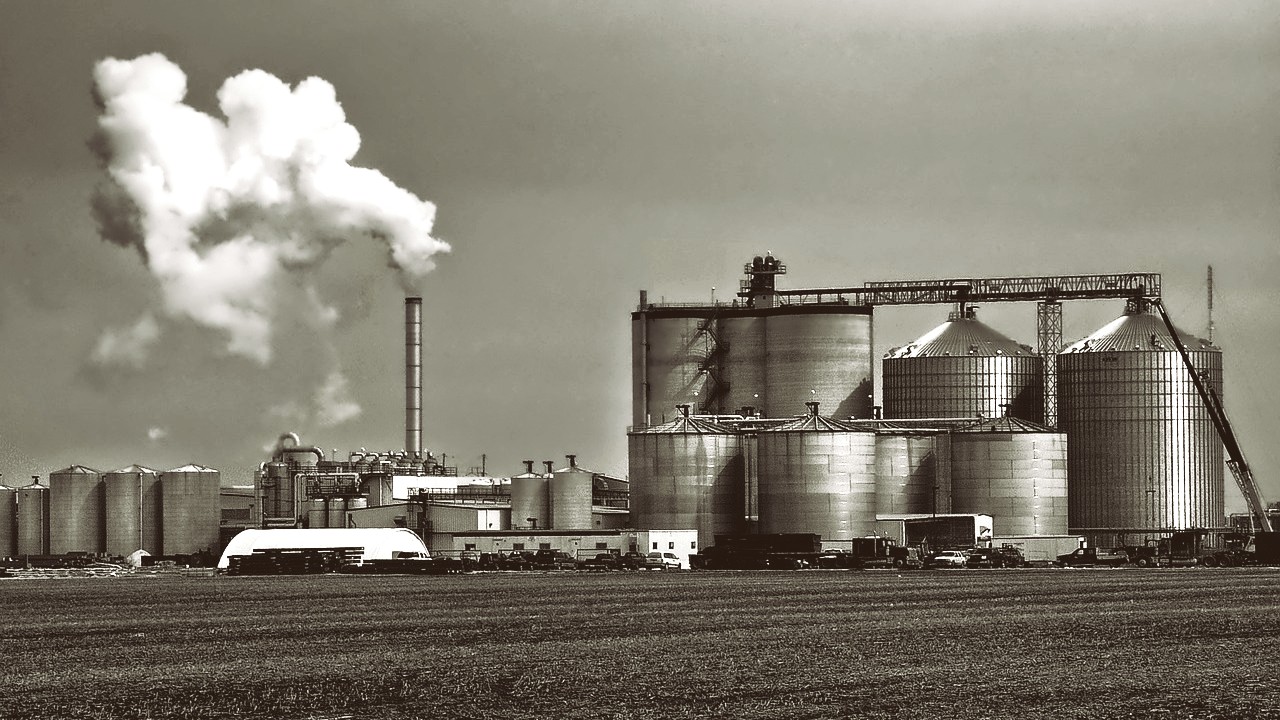
Haldia Petrochemicals (HPL) is advancing towards the commissioning of a landmark phenol and acetone plant, signaling a major development in India’s chemical manufacturing landscape. The facility, situated in Haldia, represents an investment of roughly ₹6,000 crore and is being built under the company’s subsidiary focusing on polymers and specialty chemicals. Industry stakeholders say the project positions the region as a critical hub in the phenolics value chain, with significant implications for local industry and employment.
The plant is designed to host India’s first on-purpose propylene unit utilising Olefin Conversion Technology (OCT) and is set to become the country’s largest phenol production facility. According to analysts, integrating these processes within a single site strengthens HPL’s downstream capabilities, allowing it to supply a broader range of chemical intermediates for plastics, resins, and other industrial applications. Such integration is expected to enhance operational efficiency and long-term competitiveness.
Beyond industrial output, the project is poised to generate meaningful socioeconomic benefits. A senior official from the sector highlighted that ancillary businesses, from logistics to small-scale manufacturing, are likely to expand, creating a ripple effect on employment and regional economic activity. Urban planners note that large-scale chemical infrastructure in Haldia could also spur investment in local amenities, transport networks, and workforce housing, provided environmental and safety measures are adequately enforced. From a sustainability perspective, experts emphasise the need for robust emissions control and wastewater management. The plant’s scale demands careful monitoring to align industrial growth with the broader climate-resilient urban development goals outlined for port cities like Haldia. Industry analysts suggest that projects of this size are now assessed not only for economic returns but also for their contribution to sustainable city frameworks and zero-carbon industrial corridors.
The investment aligns with broader trends in India’s chemical sector, where integrated facilities and advanced process technologies are increasingly deployed to meet domestic demand, reduce import dependence, and attract downstream industries. For Bengal, the plant offers a strategic advantage, enhancing the state’s industrial ecosystem and supporting equitable growth by providing skilled and semi-skilled jobs in the region. As HPL moves closer to operational readiness, stakeholders are monitoring timelines, workforce readiness, and urban integration strategies. The plant’s eventual commissioning is expected to set benchmarks for industrial efficiency, regional supply chains, and responsible infrastructure planning, shaping the future of chemical manufacturing in eastern India.