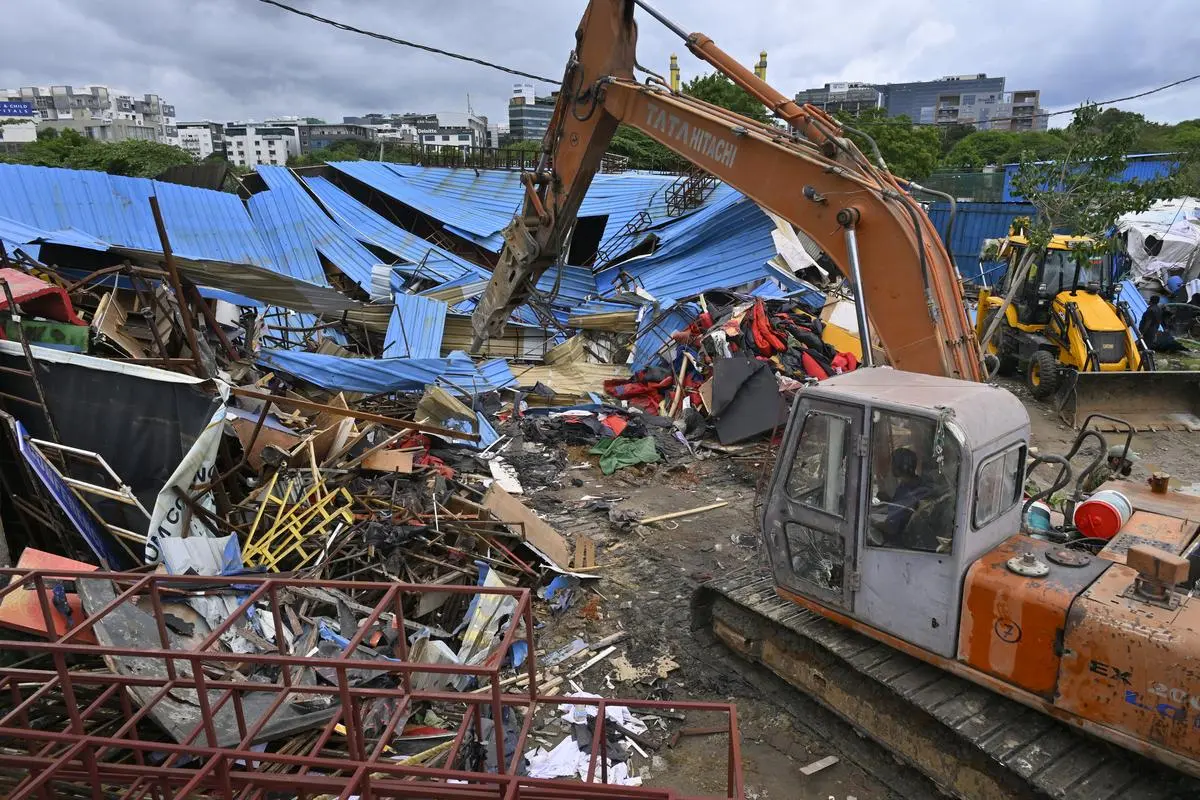
Hyderabad’s Malkajgiri and Cyberabad municipal authorities have launched a coordinated effort to restore urban mobility and cleanliness by tackling construction debris and abandoned vehicles. These actions form part of a broader municipal push to modernise public spaces, reduce hazards on city streets, and encourage responsible waste disposal practices.
In Malkajgiri, municipal crews concentrated on clearing construction and demolition waste from several major roads, removing debris that had previously narrowed lanes and obstructed pedestrian walkways. In parallel, the Cyberabad Municipal Corporation (CMC) targeted debris accumulation behind the police checkpost at Miyapur X Roads, working closely with a private waste management partner. This partnership with Re Sustainability Limited, formerly Ramky Enviro Engineers, is part of a wider strategy to privatise certain sanitation operations for efficiency.
Sanitation field assistants, supported by Swachh Auto Tipper (SAT) drivers, also conducted a door-to-door survey in Miyapur, encouraging residents to hand over household waste directly to auto tippers. By engaging residents in this active collection model, officials hope to reduce indiscriminate dumping and improve waste segregation at source.
Urban planning analysts note that regular removal of construction waste is vital in improving road safety, ensuring smoother traffic flow, and enhancing pedestrian access. Moreover, abandoned vehicles pose a separate risk, obstructing visibility at intersections and blocking emergency routes. As one senior municipal official pointed out, systematic debris clearance and active community participation are critical to maintaining urban livability.
This push for better sanitation aligns with Hyderabad’s wider ambitions for smart, sustainable urban growth. As population density rises, so too does the demand for resilient infrastructure that supports both mobility and hygiene. While the current effort focuses on immediate cleanup, the longer-term solution will depend on sustained investment in infrastructure, coupled with public education on waste management. Without a holistic strategy, even the most well-executed clean-up can fall short of creating lasting urban resilience.