


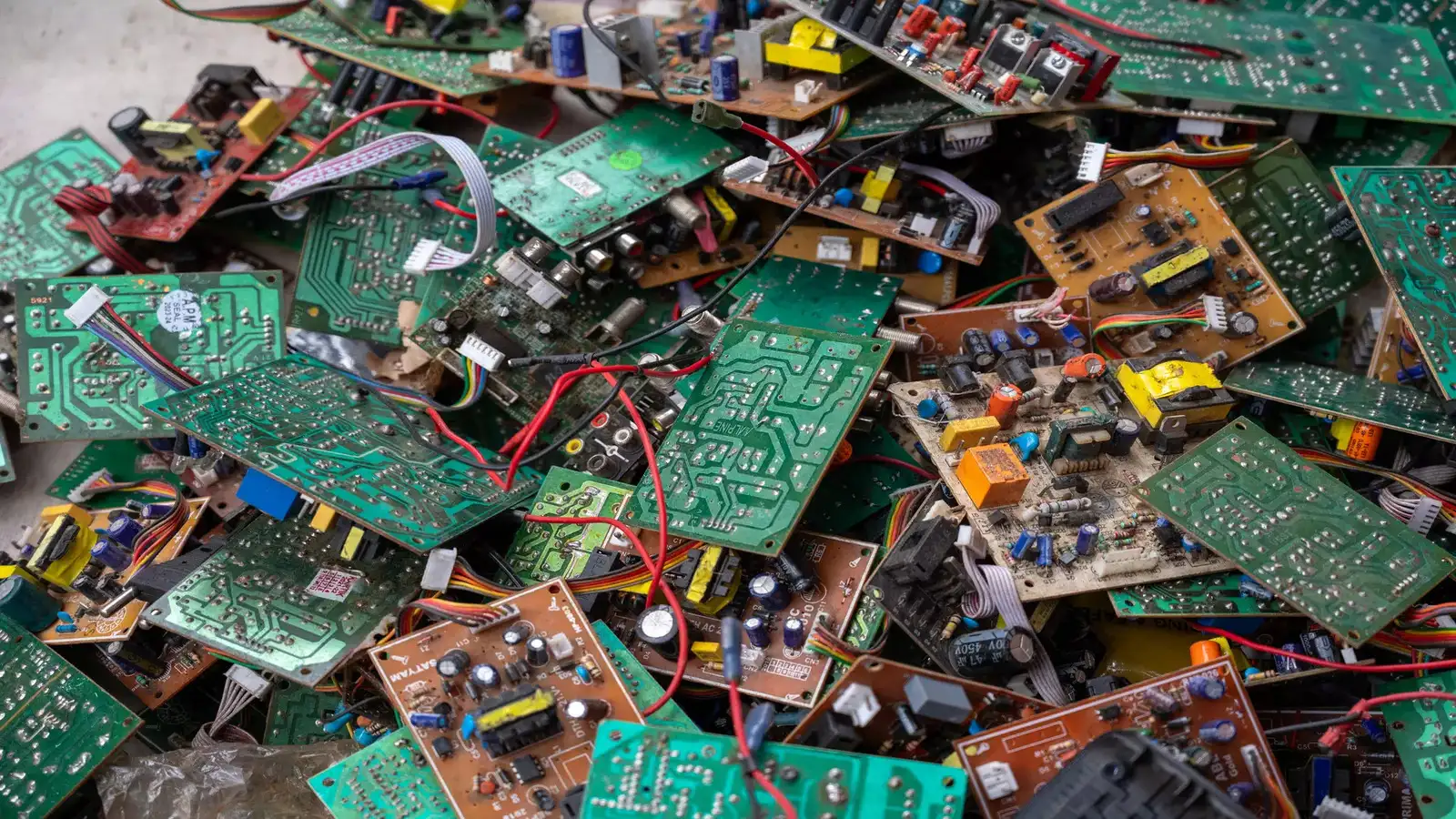
Hyderabad is grappling with a mounting electronic waste challenge, as discarded phones, computers and household gadgets accumulate faster than the city’s formal recycling systems can absorb them. Environmental regulators warn that unless collection efficiency improves, the capital risks losing both valuable recoverable materials and long-term ecological safety.
Data from the Telangana Pollution Control Board indicates that Telangana has 26 authorised e-waste recycling agencies with a combined annual processing capacity of over 4.4 lakh tonnes. Permissions have also been granted for refurbishing nearly 17,000 tonnes of electronic equipment each year. Yet, officials acknowledge that actual collection levels fall far short of installed capacity.The economic case for structured recycling is significant. Industry estimates suggest that one tonne of discarded mobile phones can yield up to 1.5 kilograms of gold, apart from copper, platinum and other precious metals. At prevailing prices, the recoverable value from precious metals alone can run into crores of rupees. Despite this, many households continue to dispose of obsolete devices with regular garbage, while informal scrap handlers often dismantle electronics without environmental safeguards.
The environmental costs are more alarming. Experts caution that heavy metals such as lead, mercury and cadmium can leach into soil and groundwater when e-waste is dumped indiscriminately. Prolonged exposure to such toxins poses risks to neurological development and public health, particularly in densely populated urban zones.The Greater Hyderabad Municipal Corporation has established designated collection points across residential neighbourhoods, but civic officials admit public participation remains modest. Environmental planners argue that awareness campaigns have not kept pace with the city’s rising gadget consumption.
Nationally, it is estimated that barely 30 per cent of electronic waste enters formal recycling streams. Urban sustainability experts believe the rate in Telangana may be even lower. They advocate integrating door-to-door e-waste collection with routine municipal waste systems, alongside deposit-return incentives to encourage voluntary compliance.From a climate perspective, recovering metals from discarded electronics reduces the need for fresh mining and energy-intensive extraction. Proper recycling also supports circular economy models — an increasingly critical component of sustainable urban development.As Hyderabad continues to position itself as a technology-driven metropolis, its ability to manage the environmental footprint of digital consumption will shape long-term resilience. Strengthening enforcement, incentivising formal recyclers and expanding citizen engagement could determine whether e-waste becomes an economic opportunity or an escalating public health liability.
Hyderabad struggles with rising e waste
