


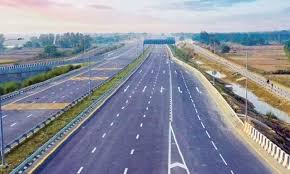
Hyderabad is on the cusp of a major transportation milestone as a new access-controlled expressway cutting through farmland and river plains between Telangana and Andhra Pradesh nears completion. Slated to become a key segment of the Hyderabad–Visakhapatnam corridor, the road is expected to significantly reduce travel times and reconfigure development patterns across the region.
The 162-kilometre greenfield highway, being constructed under the central government’s Bharatmala Pariyojana programme, represents one of the largest recent infrastructure investments in southern India’s transport network. By trimming an estimated 56 kilometres off the Rajahmundry–Hyderabad distance and shaving several hours off long-distance journeys, it aims to improve connectivity for passengers and freight alike.Unlike upgrades to existing highways, this route has been aligned largely through uninhabited agricultural and riverine terrain. While this has eased resettlement challenges, it has brought farmland conversion into sharp focus, especially as peri-urban areas around Hyderabad continue to urbanise. Agriculture stakeholders warn that even seemingly vacant tracts support local livelihoods and ecological functions — a tension increasingly evident as cities expand their transport grids. Urban planners point out that rapid road-led development can stimulate both positive and negative land use changes if not carefully integrated with local economies.
As part of its design, the highway incorporates modern infrastructure such as controlled entry and exit points, truck lay-bys, rest areas and smart traffic management systems, reflecting a broader shift towards higher-speed, high-capacity road systems. Solar-powered lighting and landscape medians are further intended to enhance safety and reduce emissions along the corridor.However, the trade-offs involved are complex. Farms that once supplied nearby towns with food and employment now face irreversible change, even in areas initially categorised as low-density. Critics argue that transport corridors without integrated rural development plans can accelerate land speculation and contribute to uneven patterns of urban sprawl — placing pressure on both food systems and peri-urban ecology. Experts suggest that complementary investments in agri-logistics hubs, market access support and conservation buffers are critical to balance infrastructure gains with sustainable land stewardship.
For regional economies, the expressway could act as a growth catalyst, attracting logistics parks, manufacturing clusters and ancillary services along its alignment. If this potential is realised equitably, it could distribute economic opportunities well beyond Hyderabad’s core, supporting smaller towns and reducing migration pressures on metropolitan housing markets.As the expressway approaches operational readiness, attention is turning to safety protocols, last-mile connectivity and how surrounding districts will adapt to the transport network. The outcome will likely influence future planning of greenfield infrastructure, especially where expansive transport corridors intersect with agricultural landscapes and emerging urban edges.
Also Read:Chennai Facility Advances Sustainable Urban Air Mobility
Hyderabad Andhra expressway reshapes regional travel
