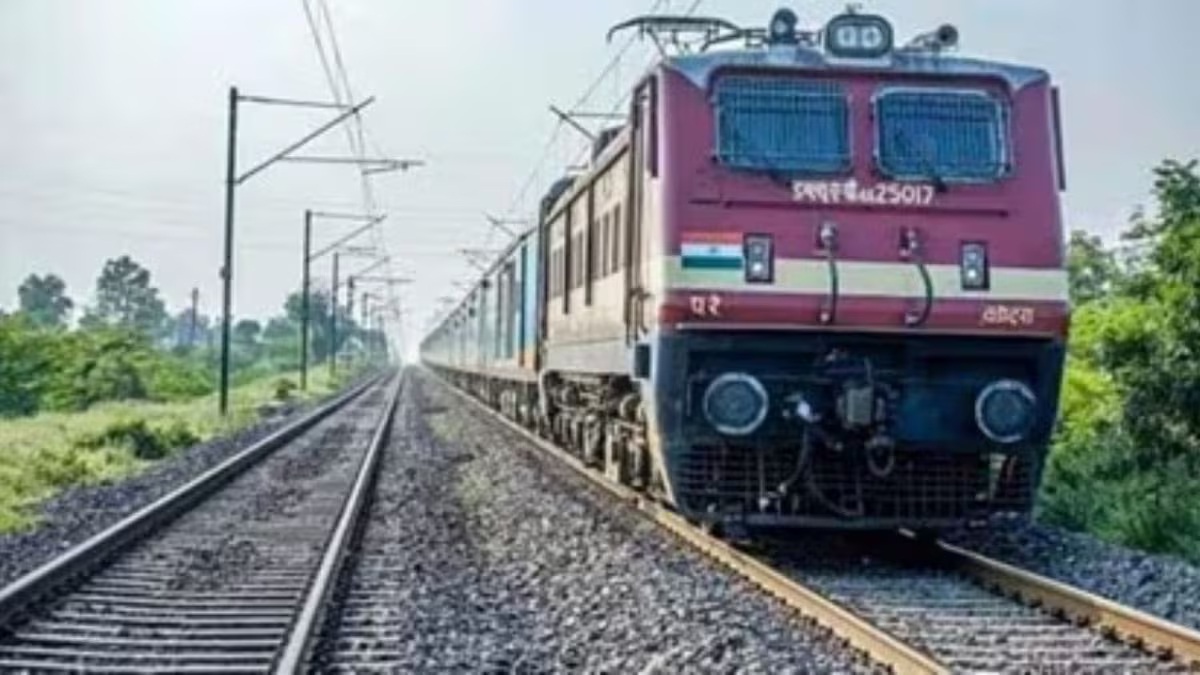
Bengaluru Rail Expansion Sees Fresh Civil Contract Awards
Bengaluru’s long‑anticipated suburban rail expansion took a decisive step forward this week as two engineering firms were declared the lowest bidders for major civil works on the Bennigana Halli–Chikkabanawara corridor. The fresh awards, issued under the oversight of the state‑railways joint venture driving the project, mark renewed momentum for a transport initiative aimed at reducing congestion and cutting travel emissions across India’s fastest‑growing metropolitan region.
The Mallige Line, part of the broader Bengaluru Suburban Rail Project designed to knit the periphery with the city core, had seen delays after an earlier contractor exited the programme. The re‑bidding process concluded with PJB Engineers and NCC securing the civil works packages, a development officials described as critical to keeping the corridor on track within the revised delivery timeline. For commuters, the corridor promises a shift from road dependence to mass rail mobility, with implications for traffic relief, air quality and urban equity. Urban planners have underscored that suburban rail is a linchpin for sustainable metropolitan growth in India. With Bengaluru’s population swelling and private vehicle use outpacing road capacity, reliable rail alternatives can decarbonise daily commutes and redistribute economic activity beyond the central business district. “High‑capacity transit corridors like this not only unclog roads but also reshape land use around walkable, mixed‑use hubs,” a city mobility specialist said.
The awarding of civil contracts comes at a juncture when the project’s implementation has been under close scrutiny. Construction on suburban rail lines involves extensive earthworks, bridge building and station development activities that carry social and environmental impacts if not carefully managed. Project authorities have stressed their commitment to mitigating disruptions in affected neighbourhoods through structured resettlement planning and environmental safeguards. Economic analysts point out that timely civil works mobilisation can also stabilise investor confidence in Bengaluru’s broader infrastructure ecosystem. The city’s real estate market, already buoyed by tech‑driven demand, stands to benefit from enhanced accessibility and connectivity. Transit‑oriented development (TOD) near suburban rail stations could stimulate housing supply in affordable segments, addressing long‑standing equity concerns in the region’s property landscape.
However, risks remain. Delays or cost escalations in major infrastructure projects can erode projected benefits and strain public finances. Independent reviewers recommend transparent progress reporting and rigorous contract management to ensure alignment with sustainability and inclusivity goals especially given that suburban rail systems are capital‑intensive and cross multiple jurisdictions. For Bengaluru’s commuters, the next milestones will be visible in construction activity along the Mallige Line and regular updates on schedule adherence. If delivered on promise, the suburban rail corridor could become a template for other Indian metros seeking low‑carbon, people‑centred urban mobility solutions.