Greater Noida To Host 1gw Ai Compute Hub Investment
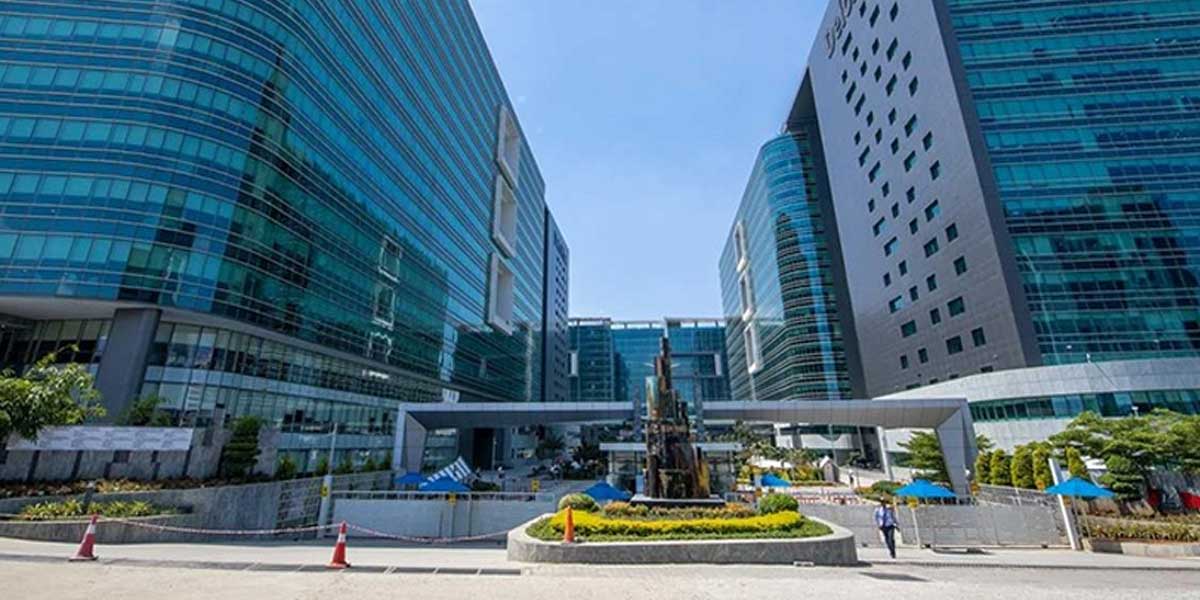
Greater Noida — In a landmark development blending technology infrastructure with industrial land strategy, a private energy transition and computing firm has received a land allocation Letter of Intent (LOI) from the Yamuna Expressway Industrial Development Authority (YEIDA) to embark on a multibillion-dollar artificial intelligence (AI) compute hub project on the periphery of Noida’s expanding urban corridor.
The initiative could position Greater Noida as a strategic location for high-performance computing and cloud infrastructure while influencing regional employment and ecosystem development. The project, backed by a consortium led by the founders of a major energy transition platform, envisages building a 1-gigawatt AI and high-performance computing (HPC) facility powered predominantly by carbon-free energy sources. The initial land allocation covers parcels for the first phases — totalling about 350 megawatts of capacity — with plans to expand toward the full 1 GW by the end of the decade. A broader memorandum of understanding with the Uttar Pradesh government at the World Economic Forum in Davos formalised the commitment and outlined a phased rollout, including commissioning of the initial capacity by 2028 and full deployment by 2030.
Urban economists and technology infrastructure specialists view the development as a potential inflection point for Greater Noida’s industrial and tech landscape. Alongside logistics, manufacturing and residential growth, advanced computing facilities can anchor knowledge-intensive clusters, attract research partnerships and generate demand for auxiliary services. High-performance compute infrastructure is increasingly critical for sectors as diverse as autonomous systems, climate modelling, biotech research and industrial digitalisation, all of which are shaping future city economies. The planned hub’s reliance on renewable and dispatchable clean energy sources mirrors emerging global trends toward sustainable digital infrastructure. Energy-intensive data centres have historically posed challenges for grid systems, but integration with renewable generation and demand-response storage can moderate operational carbon footprints. This is significant for a region striving to develop low-carbon industrial corridors aligned with national climate targets and local quality-of-life goals.
Employment impact is another key facet. A facility of this scale is projected to create thousands of direct jobs in construction, operations, and specialised technology roles, with indirect effects in logistics, facilities management and professional services. For Greater Noida, which already serves as a manufacturing and logistics hub adjacent to the upcoming Noida International Airport, the addition of a technology-intensive node could bolster its competitiveness relative to other North Indian cities vying for AI and digital investment. However, experts caution that translating land allocation into effective outcomes hinges on timely infrastructure provisioning — from power and cooling systems to fibre connectivity and talent pipelines. Aligning urban planning with long-term workforce development and ensuring equitable access to opportunities will be vital if the hub is to generate broad-based urban and economic benefits.
As the project moves from intent toward implementation, Greater Noida stands at the cusp of a new phase in urban technology infrastructure, where compute capabilities converge with sustainable planning imperatives and strategic economic growth objectives.