Pune Urbanisation Drives Extreme Summer Heat Stress
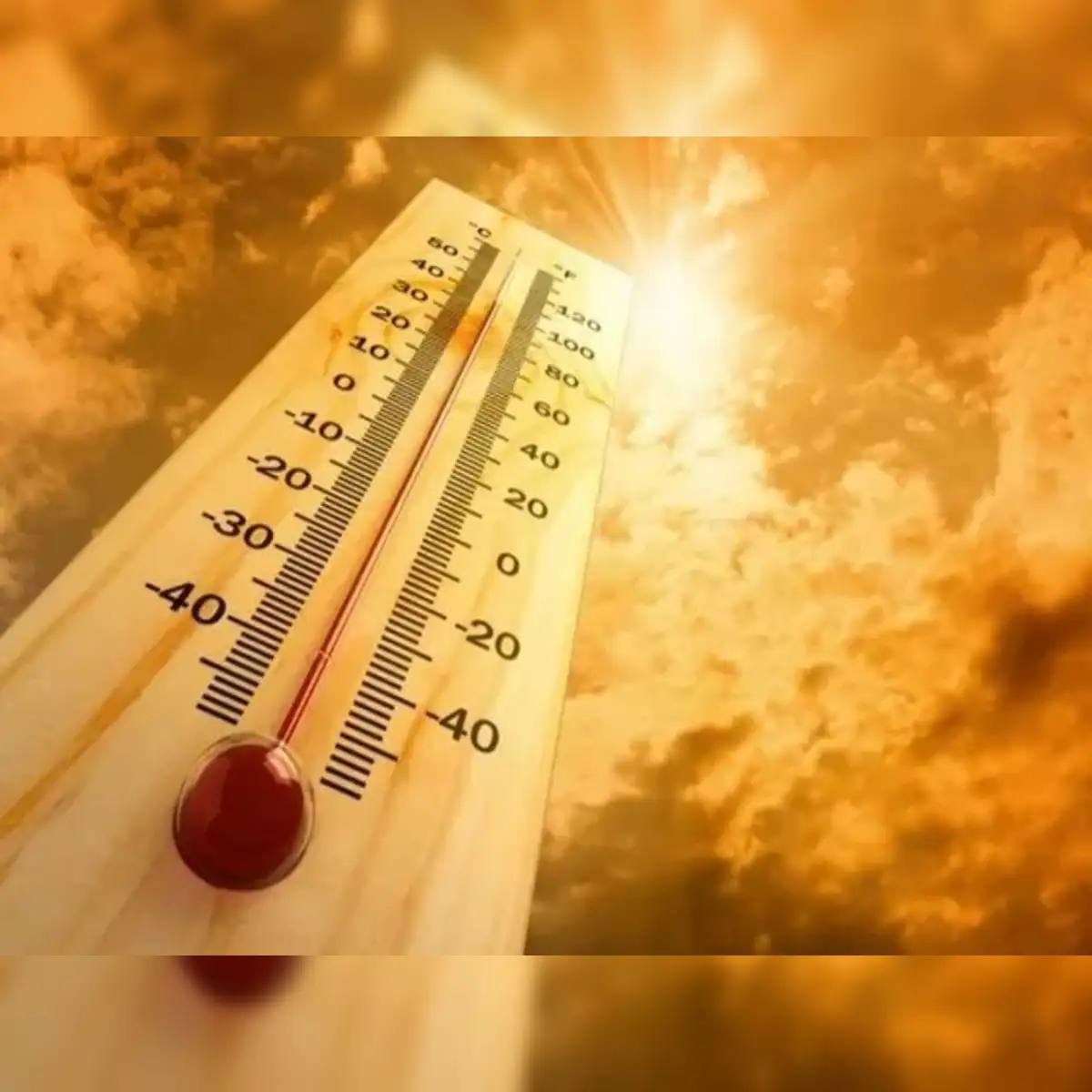
The Konkan coast of Maharashtra is entering a spell of persistently hot and humid conditions, with weather officials warning that temperatures across several districts are running above seasonal averages. The Konkan heatwave conditions, spanning districts such as Ratnagiri and Sindhudurg, signal an early intensification of summer-like weather that could reshape energy demand, public health planning and urban resilience efforts along the western coastline.
Data released by the India Meteorological Department indicates that maximum temperatures have climbed into the mid-30s Celsius in several coastal pockets, accompanied by high relative humidity. While such conditions are not uncommon ahead of peak summer, meteorologists suggest the sustained nature of this phase is noteworthy.The Konkan heatwave carries particular consequences for densely built coastal towns, where limited airflow and concrete-heavy construction amplify the urban heat island effect. Urban planners say the combination of high daytime temperatures and humid nights reduces natural cooling, increasing stress on both residents and infrastructure. In working-class neighbourhoods, where homes often lack efficient ventilation or insulation, discomfort quickly turns into health risk.Public health specialists warn that humid heat places greater strain on the body than dry heat alone. Outdoor workers — including those in fishing, transport and construction — face prolonged exposure during peak afternoon hours. Local administrators in parts of coastal Maharashtra have begun issuing advisories urging hydration, staggered work timings and avoidance of direct sun during the hottest part of the day.
Beyond immediate health impacts, the rising temperatures are expected to push up electricity consumption as households and commercial establishments increase use of fans and air-conditioning. Energy analysts note that coastal grids, already managing fluctuating demand patterns, may see sharper peak loads if the heat persists. This has implications for grid stability and underscores the need for decentralised renewable energy integration and efficient building design.Urban development experts argue that episodes like the current Konkan heatwave should accelerate investment in climate-responsive planning. Measures such as reflective roofing, shaded public areas, expanded tree cover and improved coastal ventilation corridors can reduce long-term exposure to heat stress. Incorporating passive cooling techniques in new housing and retrofitting older structures may also reduce reliance on energy-intensive cooling systems.
While forecasts suggest minor day-to-day fluctuations, the broader trend points toward a steady rise in pre-monsoon heat across Maharashtra’s coastal belt. For Konkan’s growing towns, adapting to hotter and more humid conditions is no longer a seasonal challenge but a structural one — demanding coordinated action from civic authorities, developers and communities alike.