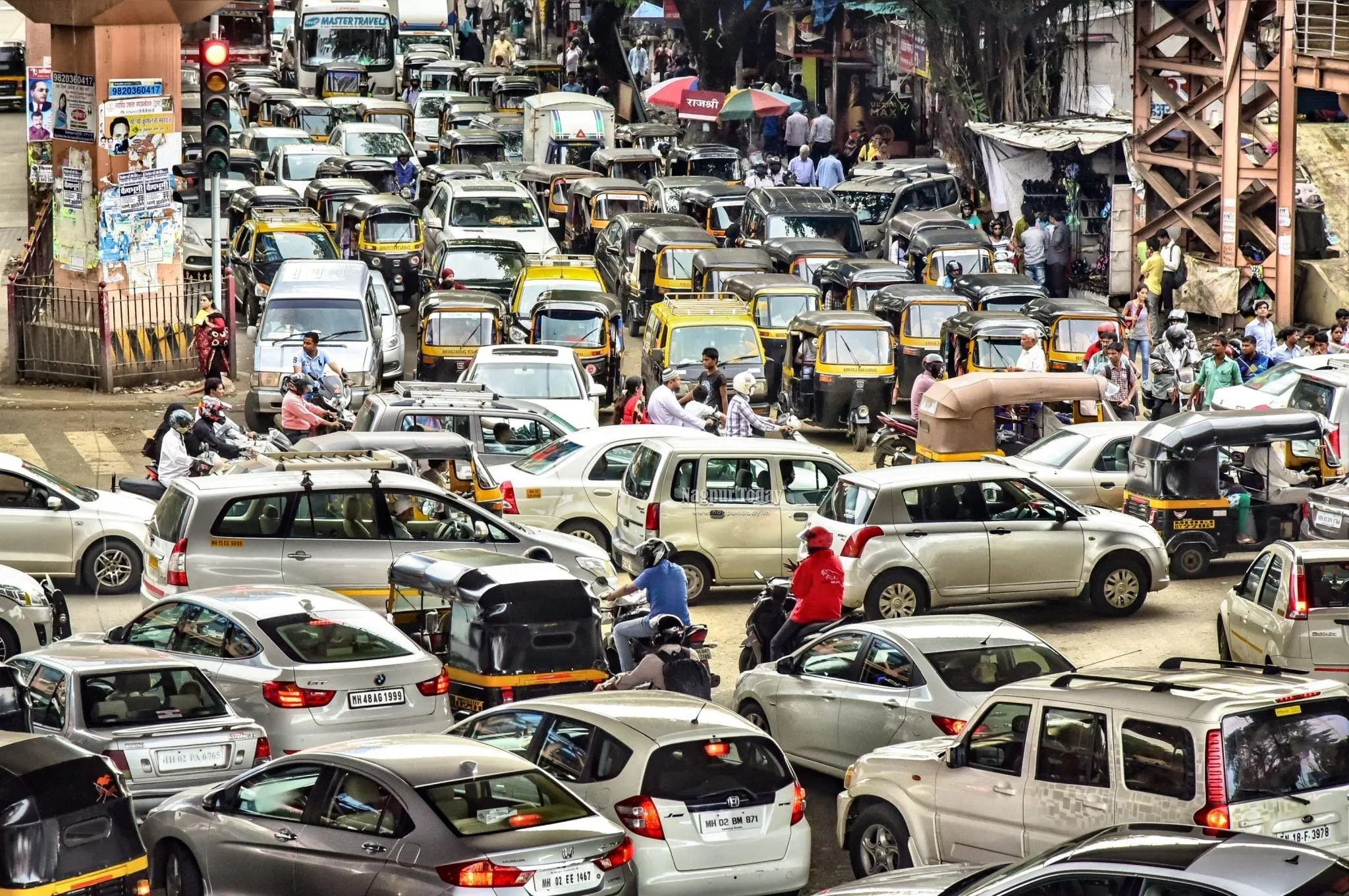
Nagpur Civic Gridlocked As Ajni Station Road Traffic Woes Deepen
Nagpur’s Ajni Station Road has become a focal point of mounting traffic congestion and commuter frustration as ongoing civic works choke a critical urban artery, highlighting persistent challenges in infrastructure planning and execution in one of the city’s busiest commercial stretches.
With vehicles often at a standstill for extended periods, the gridlock underscores the need for coordinated transport planning and safer mobility solutions in a rapidly growing urban centre. Situated between key transit hubs and commercial districts, Ajni Station Road serves as a vital link for daily commuters, goods vehicles and public transport services. But recent construction activities linked to civic and rail infrastructure upgrades have reduced carriageway capacity and disrupted traffic flows, creating bottlenecks that ripple across adjoining neighbourhoods during peak hours.
Motorists and residents report that traffic congestion often begins as early as mid-morning and persists well into the evening, reducing average travel speeds and stretching commute times drastically. Delays are exacerbated by the lack of alternate routes that can absorb overflow traffic, compounded by inadequate signage and unclear diversions that further confuse road users navigating the disrupted corridor. Urban mobility experts say the situation on Ajni Station Road exemplifies a common problem in Indian cities: piecemeal upgrades on high-demand thoroughfares without comprehensive traffic-management strategies. “Upgrading roads without synchronising detours, clear signage and temporary traffic regulation plans creates localized paralysis instead of improving flow,” a senior urban planner observed.
Public transport services, including buses and shared autorickshaws, are also affected, with delays to scheduled routes and irregular service reliability during peak gridlock periods. For many daily commuters — students, office workers and informal sector workers — the unpredictability of travel times adds economic and personal stress, as lost hours translate into lower productivity and reduced access to opportunity. Safety concerns have also emerged, with narrow gaps between stationary vehicles, insufficient pedestrian crosswalks and a lack of protective barriers creating hazards for vulnerable road users. Footpaths, already limited in width, are often encroached by parked vehicles and informal vendors, forcing pedestrians to share space with moving traffic. This raises risks particularly for elderly commuters and schoolchildren navigating the congested stretch.
Civic officials say temporary disruptions were anticipated as part of planned infrastructure improvements and that traffic management plans are being updated to better accommodate peak hour flows and route diversions. However, residents argue that communication about closures and detours remains inconsistent, leading to frustration and uncertainty. In response, some urban planners are advocating for real-time traffic monitoring and dynamic signal adjustments — components of intelligent transport systems — to mitigate congestion in coordination with the ongoing works. Others emphasise the need for a longer-term, integrated mobility strategy that aligns road upgrades with public transport improvements, non-motorised transport infrastructure, and corridor planning that anticipates future demand.
As Nagpur continues to expand as a regional economic centre, resolving traffic bottlenecks like those on Ajni Station Road will be vital to enhancing livability, commuter safety and the city’s capacity to support equitable access to jobs, services and social infrastructure.