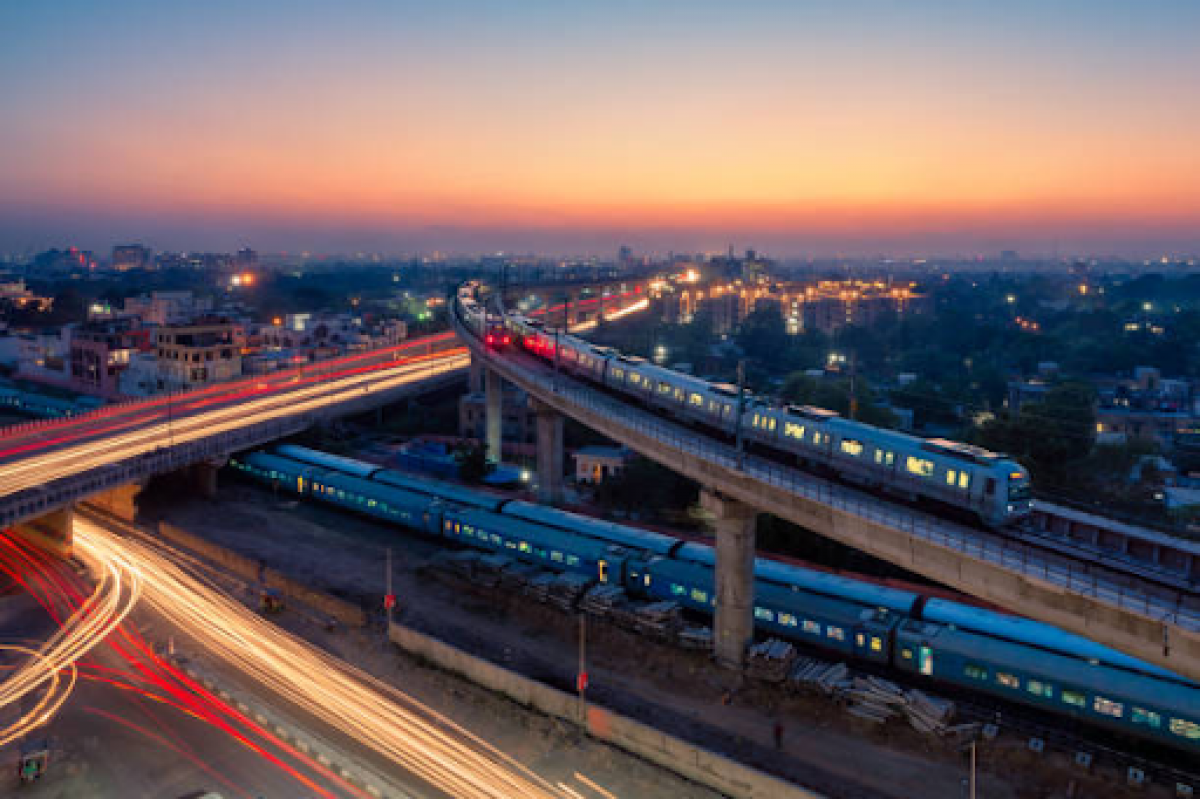
Nagpur Launches Largest Metro Plan Among Tier 2 Cities
Nagpur is preparing a substantial expansion of its metro rail network, with plans to grow the system from its current operational and under-construction length to an estimated 129 kilometres, positioning it among the most extensive rapid transit networks in Indian Tier-2 cities.
The proposed upgrade, anchored in the city’s Comprehensive Mobility Plan 2025, marks a strategic turn towards sustainable mobility and integrated urban development. Under the blueprint for Phase-3, MahaMetro officials have identified four new corridors that together would add approximately 54.5 km to the existing footprint of about 82 km covered by Phases I and II. These stretches include key linkages such as an orbital route along the Inner Ring Road from Mankapur Square to Rachna Junction, which planners expect to reduce pressure on the central network by enabling passengers to bypass congested downtown segments. Other proposed corridors span strategic axes that connect industrial, residential and growth areas, including improved north–south connectivity and new links to rapidly developing zones like New Nagpur as well as enhanced last-mile access to the Butibori-MIDC industrial belt.
Collectively, this extension is designed to strengthen transit accessibility for a broad swathe of the urban population while aligning public transport with economic and spatial expansion. Urban planners observe that expanding metro networks in mid-sized cities like Nagpur can play a pivotal role in reducing congestion, cutting carbon emissions and enhancing quality of life by offering reliable alternatives to private vehicles. With rising urban populations and vehicle ownership, mass transit systems help cities meet climate resilience goals by mitigating air pollution and lowering urban noise levels. Such goals resonate with national sustainable transport objectives and the city’s own mobility strategy. Integration with the current Phase-2 rollout, which is underway with nearly half of structural pier work completed, creates a foundation for seamless network growth. Phase-2 itself expands metro access into peripheral industrial clusters and satellite suburbs, reinforcing the system’s coverage beyond traditional central corridors.
Together with Phase-3, planners and civic officials hope the combined network will significantly improve connectivity. However, experts caution that realising the full potential of this expansion depends heavily on effective implementation of transit-oriented development (TOD) policies, land-use reforms and coordinated urban planning that promotes high-density, mixed-use growth near metro stations. Without such integration, there is a risk that enhanced transit capacity alone may not spur equitable economic benefits across all communities. Financial sustainability also remains a focus. Funding large-scale metro expansions requires balancing capital investment with long-term revenue strategies, including value capture financing and partnerships that support non-fare income streams. If structured effectively, the expanded network could attract higher ridership, broaden economic opportunities along transit corridors and catalyse a shift towards more sustainable urban mobility patterns.
As the Detailed Project Reports for the new corridors move through planning and approval stages, stakeholders will be watching closely to ensure that infrastructure expansion dovetails with broader urban resilience and climate adaptation priorities.