


The Uttar Pradesh government is set to launch a pioneering waterway between Gokul and Vrindavan, aiming to blend spiritual heritage with sustainable tourism.
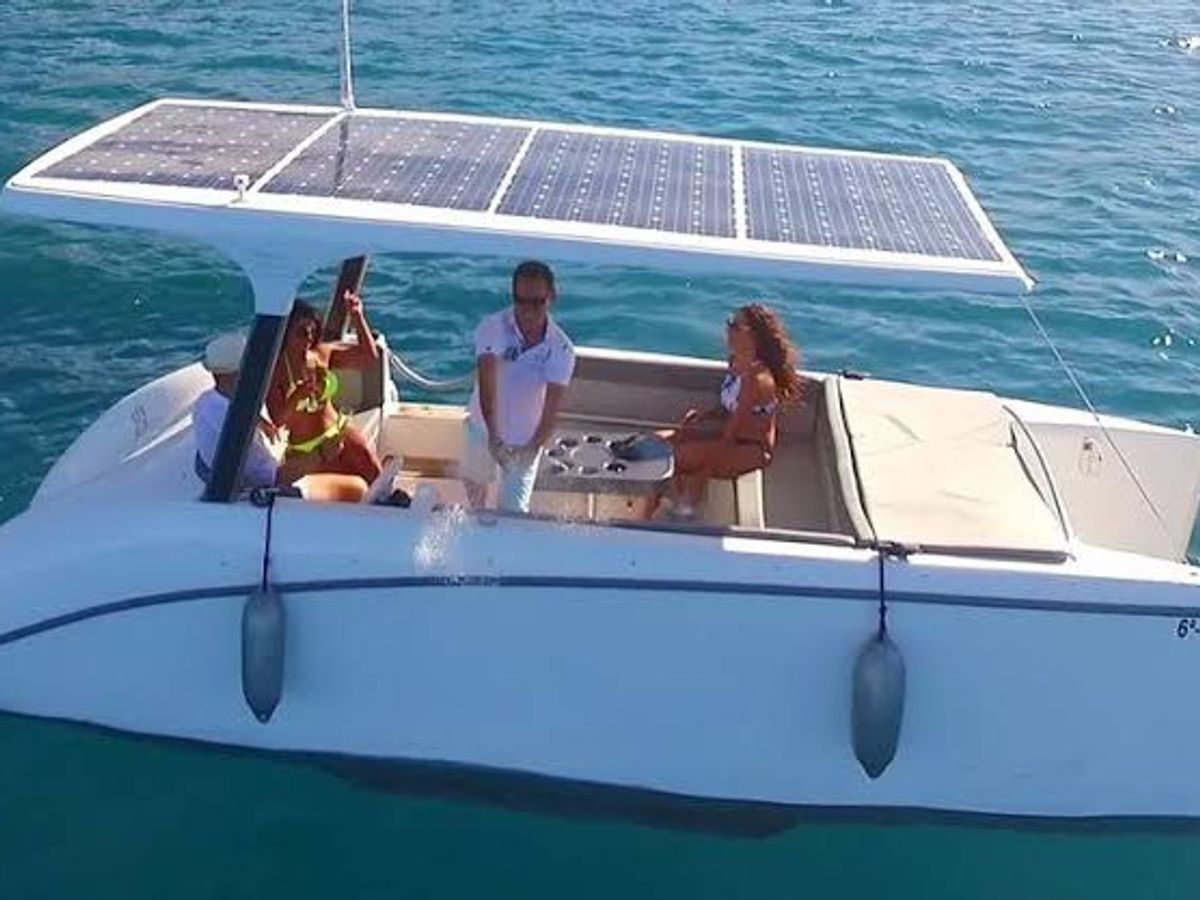
This initiative, spearheaded by the Uttar Pradesh Braj Teerth Vikas Parishad (UPBTVP) and the Inland Waterways Authority of India (IWAI), plans to introduce solar-powered boats along the Yamuna River, enhancing both environmental conservation and regional development. A recent virtual meeting chaired by IWAI Chairman Vijay Kumar brought together stakeholders from various departments to review the project’s progress. The first phase will see the construction of eight jetties, with some expected to be operational by the end of May. The 22-kilometer route will connect Vasudev Vatika in Gokul to Jugal Kishore Ghat in Vrindavan, featuring a total of 11 strategically located jetties.
To address navigational challenges posed by shallow river stretches, the project will utilize lightweight fibre boats powered by solar and battery systems, ensuring an eco-friendly approach to river transport. UPBTVP Vice President Shailja Kant Mishra emphasized the exclusion of diesel and petrol-powered boats to preserve the sacred Yamuna River. Additionally, the project aims to eliminate obstructions caused by pontoon bridges at Devraha Baba Ghat and Keshi Ghat, with a designated technical team currently reviewing these issues. A joint committee will conduct a detailed survey to address water level fluctuations, while the local Assistant Regional Transport Office (ARTO) will oversee boat registrations. Public amenities around the upcoming jetties are also being developed, with tenders issued for their construction. Local boat operators will be allowed to use these facilities, promoting community involvement and economic growth.
The waterway project carries an estimated cost of ₹28.35 crore, with IWAI responsible for jetty construction and the Mathura-Vrindavan Development Authority (MVDA) handling infrastructure and approach roads. This initiative not only aims to enhance religious tourism but also seeks to reduce road congestion and promote sustainable transport options in the region. Once operational, the Gokul-Vrindavan waterway is expected to attract a significant influx of tourists, providing a serene and eco-friendly alternative to traditional road travel. The introduction of solar-powered boats aligns with India’s commitment to sustainable development and environmental conservation, offering a model for integrating heritage tourism with green technologies.
As the project progresses, it underscores the potential of combining cultural heritage with modern, sustainable infrastructure to create a harmonious and eco-friendly tourism experience.
Also Read: 200-Acre Kathajodi Riverfront Project Awaits Approval
