


Vedanta’s proposed Asansol project has gained fresh momentum after a meeting between group chairman Anil Agarwal and West Bengal Chief Minister Suvendu Adhikari, with the company planning an aluminium smelter and power plant involving an estimated investment of Rs 70,000 crore to Rs 80,000 crore.
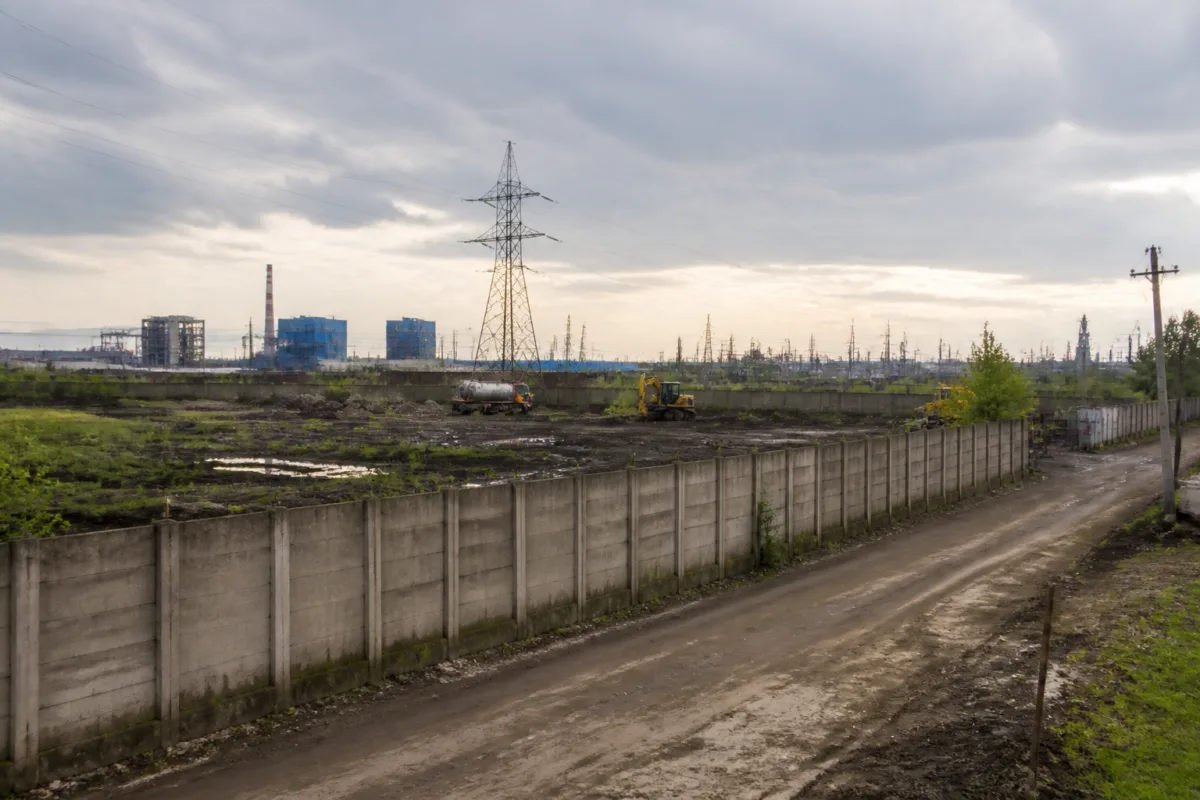
The proposal centres on J K Nagar near Asansol, an area with a long industrial history and an existing Vedanta-linked landholding at Bidhanbag. The state government has assured the company of assistance in securing additional land, water and coal resources, as well as expediting the clearances required for the project.
According to the report, Vedanta will require another 700 to 800 acres in the vicinity. The company already owns around 300 acres acquired during an earlier attempt to establish an industrial complex at Bidhanbag. That proposal, announced in 2008, involved a Rs 20,000-crore aluminium plant with a capacity of 6,500 tonnes and a 3,000 MW thermal power plant.
Vedanta had invested Rs 20 crore in constructing a boundary wall around the site, but the project did not take off after the change of government in West Bengal in 2011. The land has since remained a key asset as the company considers reviving its plans for the region.
The site is also significant in India’s industrial history. It housed the country’s first aluminium factory, established in 1937 by the Aluminium Corporation of India under the J K Group of Lakshmipat Singhania. The factory later faced financial difficulties, was nationalised and merged with Bharat Aluminium Company Limited in 1984 as its Bidhanbag unit. BALCO was acquired by Sterlite Industries, a Vedanta subsidiary, in 2001.
After the meeting, Adhikari told the media that Agarwal had investments in seven states and had not invested in West Bengal under the previous Trinamool Congress government. He said the proposed Asansol plant had been put forward after the BJP came to power in the state.
The project is expected to create around 10,000 direct jobs, besides thousands of indirect employment opportunities through ancillary and downstream industries. Former Union minister and BJP leader Surenderjit Singh Ahluwalia, who contested the 2024 Lok Sabha elections from Asansol, welcomed the proposal and linked it to the commitment to reopen closed industrial units in the region.
Ahluwalia said aluminium for the proposed factory would likely be sourced from Odisha and that the new unit was expected to be established within four years. The report does not provide details of a final project approval, construction schedule, financing arrangement or clearance timetable.
The proposed investment is being presented as part of a wider plan to revive Asansol’s industrial base. Other facilities mentioned in this context include the Sen Raleigh Cycle Factory, Hindustan Cables at Rupnarayanpur and the BALCO unit at Bidhanbag. The immediate next steps involve securing additional land and resources and moving the project through the required approvals.

