Uttarakhand Monsoon Blocks Roads Disrupts Panchayat Polls In Hill Districts
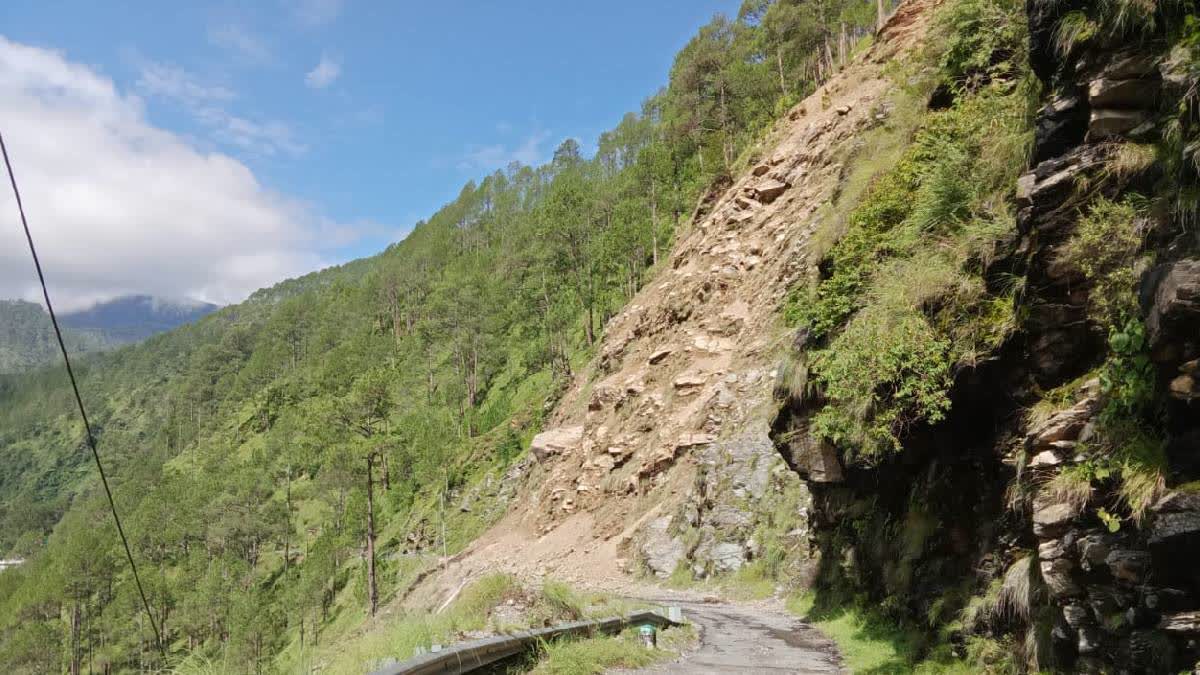
Widespread rainfall, landslides, and washed-out bridges have thrown panchayat poll preparations into disarray across Uttarakhand’s hilly districts. With roads blocked and several villages cut off, electoral officials are being forced to trek through steep and hazardous terrain to deliver polling materials. The situation is particularly acute in districts like Almora, Bageshwar, and Uttarkashi, where accessibility has plunged due to the relentless monsoon, raising urgent questions about inclusive and safe electoral access in disaster-prone hill states.
In Almora district, multiple villages across blocks such as Bhikiyasain, Salt, and Dhauladevi remain isolated. Officials have had to walk for hours, often covering up to 10km on foot, to reach polling sites. With rivers swollen and pathways eroded, election materials are being carried manually, and delays in polling schedules appear imminent. In Bageshwar district, 82 polling centres in remote blocks remain out of vehicular reach due to landslides and crumbling roads. Electoral teams are hiking long distances, sometimes braving erratic weather and carrying EVMs across treacherous routes with the aid of temporary porters and volunteers. What is increasingly worrying authorities is the difficulty for voters, especially the elderly and women, to reach polling booths in this terrain. In areas like Badet and Kapkot, key connecting routes have been washed away, while bridges that previously linked hamlets to polling centres now lie in ruins.
Residents report serious hardship in commuting, with many wondering whether polling will be feasible in these conditions. For contesting candidates and poll observers, navigating these blocks has become nearly impossible, with footpaths blocked and campaigning severely curtailed. Uttarkashi’s situation mirrors the crisis. In villages under Bhatwadi and Barkot blocks, broken roads, landslides, and remnants of a recent cloudburst have further paralysed movement. The Sangamchatti-Agoda motor road—vital for connecting five villages—is inaccessible, pushing polling teams to walk. Footbridges in Trikhili and Kupda remain collapsed, leaving people to cross makeshift wooden planks and loose rocks. While minor repairs are underway, residents say progress is slow. The risk of injury or death from unstable terrain looms large over those trying to reach polling centres or deliver materials.
As Uttarakhand stares at the intersection of climate extremes and democratic logistics, experts argue for more climate-resilient election planning. The Election Commission and local bodies must consider infrastructure redundancies, rapid-response logistics teams, and digital polling in some areas. In disaster-prone regions, electoral access must be reframed not merely as an administrative task but as an act of social justice—ensuring that geography and weather do not silence the voices of the marginalised.