


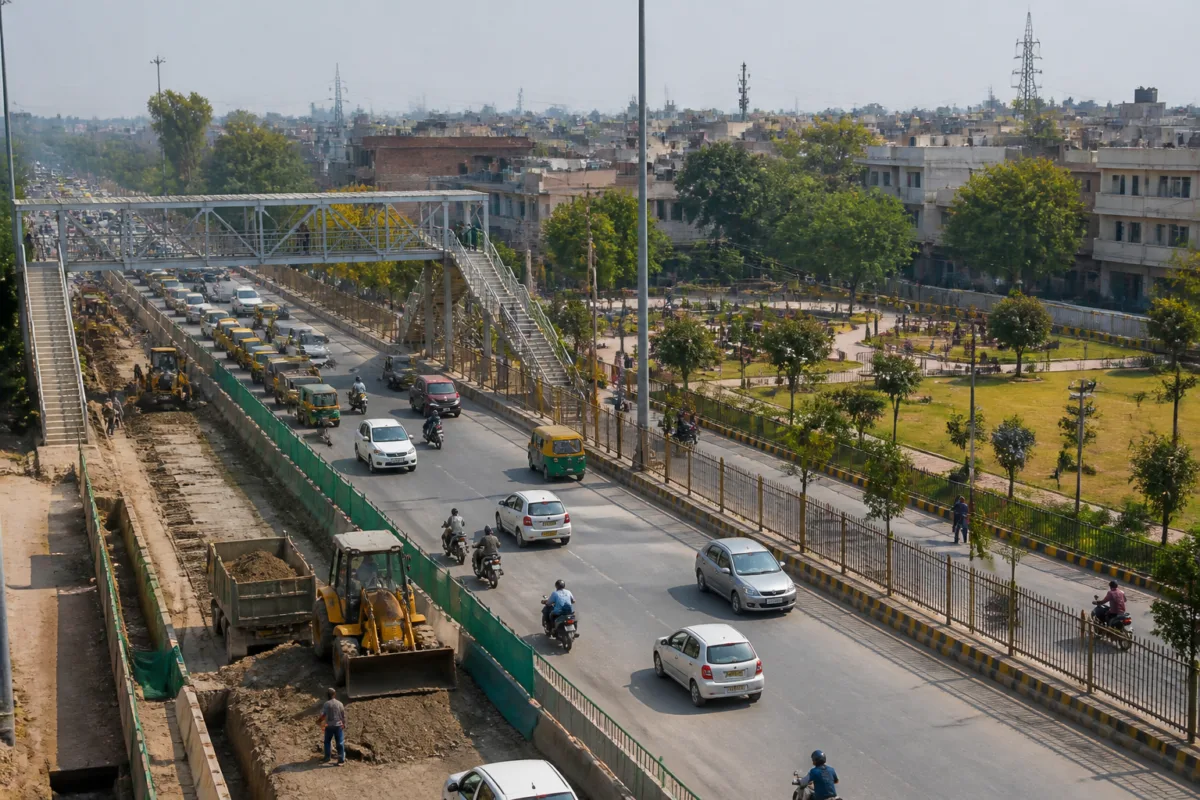
The Trans-Yamuna Area Development Board has received 1,090 fresh development proposals from constituencies across the region, with officials directed to speed up pending projects and prioritise basic civic infrastructure such as roads, parks, public spaces and foot overbridges.
The directions were issued at the Board’s 62nd meeting at the Delhi Secretariat on Wednesday. The meeting reviewed the progress of ongoing works, budgetary requirements and proposals awaiting approval. Representatives of the Municipal Corporation of Delhi, Delhi Jal Board and the Irrigation and Flood Control Department attended the meeting.
Board chairman Arvinder Singh Lovely directed officials to examine the proposals systematically and focus on infrastructure requirements identified in individual constituencies. The Board said the proposals were being discussed with MLAs to understand local requirements and determine which works should be taken up in a phased manner.
“Our priority is to ensure the planned, balanced and sustained development of the Trans-Yamuna area,” Lovely said. “We have been holding discussions with individual MLAs to understand the specific requirements of their respective constituencies and review the proposals put forward by them. Our endeavour is to ensure that development works address the actual needs of people and are taken up in a systematic and time-bound manner.”
The meeting was also informed that Rs 110.10 crore had been disbursed towards the first and second instalments of approved development works. Pending financial liabilities and the release of further instalments were discussed as part of the review of project implementation and funding requirements.
The Board’s decision to create a departmental portal is intended to improve monitoring of projects being executed across constituencies. The portal will maintain updated information on project progress, allowing departments to track works and identify delays, according to the report. The source report did not specify when the portal would become operational or whether its project information would be accessible to the public.
Officials were also asked to prepare a comprehensive list of infrastructure requirements covering roads, parks, public spaces and foot overbridges. These works will be prioritised for phased development after departments assess the requirements and their budgetary implications.
The meeting established quarterly review meetings to assess implementation and address bottlenecks. Proposals for the next financial year will first be examined by the concerned departments before being forwarded to the Finance Department for budgetary consideration. The next stages will therefore involve departmental scrutiny, funding decisions and periodic monitoring of approved projects.

