


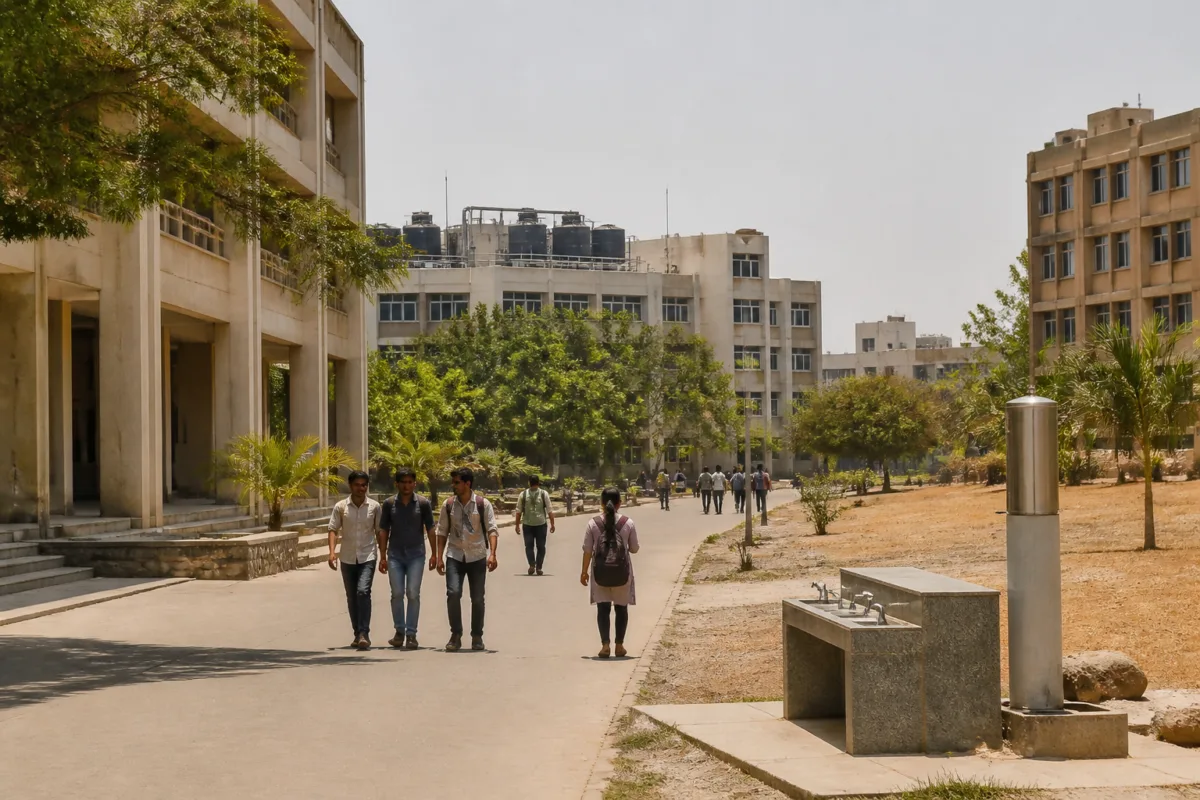
Telangana universities are set to review their preparedness for possible extreme heat and water shortages as the Telangana Council of Higher Education plans a meeting with vice-chancellors from State universities. The proposed review will focus on protecting students and staff, safeguarding campus infrastructure and maintaining academic continuity during adverse climatic conditions.
The Telangana Council of Higher Education, or TGCHE, is considering preventive measures across higher educational institutions in response to expectations that the El Niño phenomenon could intensify. The meeting with university vice-chancellors will examine how campuses can identify and address heat-related and water-related risks before they disrupt daily operations.
According to the council, the review will include campus heat-risk assessments, drinking-water security and the maintenance of electrical and cooling systems. These areas are directly linked to the ability of campuses to remain functional during periods of high heat and water stress, particularly in hostels and other facilities where students and staff spend extended periods.
The proposed agenda also includes heat-illness prevention and hostel safety. Universities will be expected to consider measures that can reduce risks to students living on campus, while also reviewing how their facilities and internal systems would respond to difficult climatic conditions.
Academic continuity is another part of the planned discussion. The TGCHE said the meeting would examine academic contingency plans and digital learning arrangements that could support teaching and learning if normal campus operations are affected. The source report does not specify whether any university has already activated such measures or identify particular campuses facing shortages.
“The objective is to ensure that Telangana’s higher education system is prepared to respond to potential heat and water stress, safeguard students and staff, protect infrastructure and maintain continuity of academic activities during adverse climatic conditions,” TGCHE Chairman Prof. V Balakista Reddy said.
The planned review places universities within a broader campus-management challenge: climate-related disruption can affect not only classrooms, but also drinking-water access, residential facilities, electrical systems, cooling equipment and the ability to continue academic activity. By bringing vice-chancellors together, the council intends to review preparedness across State universities rather than limit the response to individual institutional arrangements.
The immediate next step is the proposed meeting between the TGCHE and university vice-chancellors. The council has not announced a date for the meeting, a common preparedness protocol, funding arrangements or specific implementation deadlines in the information available. Further details on campus-level assessments and preventive measures are expected to emerge through that review.

