


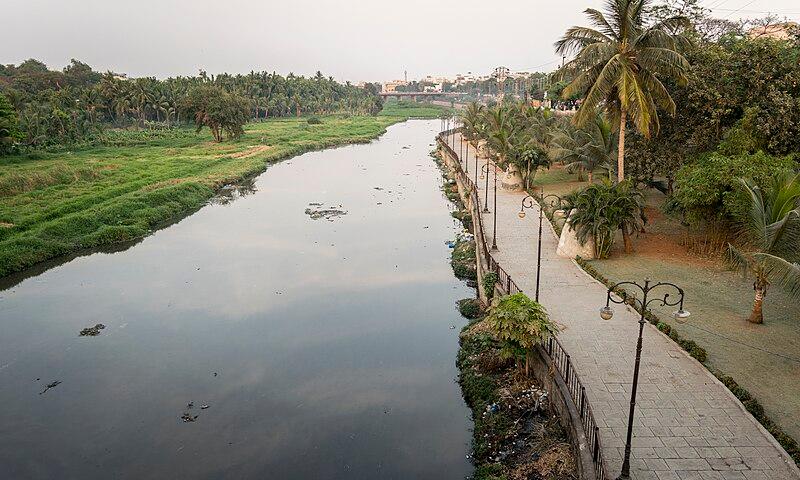
Telangana Allocates ₹37.5 Crore for Musi River Oustees
In a significant move towards the rehabilitation of families affected by the Musi Riverfront Development Project, the Telangana government has allocated ₹37.5 crore to assist 15,000 displaced families. Each family will receive a dislocation allowance of ₹25,000, ensuring a smoother transition as they relocate from the riverbed areas. This financial assistance forms part of a broader ₹1,500 crore budget earmarked for the ambitious redevelopment initiative aimed at revitalising the Musi River and its surroundings. While the allocation is a crucial step towards urban renewal, it also highlights the challenges of large-scale resettlement, with affected families having to rebuild their lives in new locations. The funds will be transferred to the Musi Riverfront Development Corporation Ltd. (MRDCL), which will oversee distribution through district collectors of Rangareddy, Hyderabad, and Medchal-Malkajgiri.
Urban Transformation at the Cost of Displacement
The Musi Riverfront Development Project is a landmark urban renewal initiative aimed at restoring Hyderabad’s iconic river, transforming its surroundings into eco-friendly, recreational, and commercial spaces. However, this transformation has come at a cost, with thousands of families forced to vacate their homes along the riverbank. Many affected residents express concerns over inadequate compensation, uncertainty about resettlement areas, and loss of community ties. “While the financial aid provides some relief, finding affordable housing and securing livelihoods remain major challenges,” said a local resident facing relocation. The disbursement of ₹37.5 crore is a crucial step, but questions remain on whether this compensation is sufficient to ensure a dignified resettlement for oustees. The rehabilitation process must focus not only on financial aid but also on long-term support, including alternative housing, livelihood opportunities, and social infrastructure.
Comparing Urban Development Models: Lessons for Hyderabad
Cities across India have witnessed mass relocations in the name of urban redevelopment, with varying degrees of success. In Ahmedabad’s Sabarmati Riverfront project, displaced communities were provided with dedicated rehabilitation housing, albeit amid challenges of livelihood loss and inadequate infrastructure. Mumbai’s Mithi River cleanup project, on the other hand, faced criticism for forcing low-income families into distant, poorly serviced resettlement colonies. Hyderabad must learn from these examples and ensure that the Musi oustees are not merely displaced but are properly rehabilitated with sustainable living conditions. Unlike other metro cities that have integrated urban expansion with inclusive planning, Hyderabad must strike a balance between ecological restoration and human-centric development.
Sustainability and the Future of Hyderabad’s Urban Landscape
The Musi Riverfront Project has the potential to become a model for sustainable urban transformation if executed responsibly. By revitalising the river ecosystem, improving water quality, and introducing green spaces, the initiative aligns with Hyderabad’s broader environmental and urban sustainability goals. However, for true sustainability, the project must prioritise the livelihoods of displaced communities, ensuring they are not left behind in the race for modernisation. The government must implement long-term rehabilitation strategies, such as green housing, skill development programmes, and accessible public services for the oustees. As Hyderabad continues to expand, its approach to urban renewal must go beyond aesthetics and economic gains—focusing on an equitable and sustainable model of development that serves all sections of society.
