


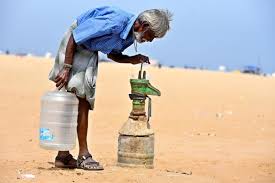
Tamil Nadu have experienced a significant drop in groundwater levels in May 2025 compared to last year, highlighting growing water security concerns despite adequate monsoon rainfall and increased Cauvery river inflows. The Water Resources Department (WRD) data reveals the sharpest decline in Thanjavur district, where groundwater levels plunged by 2.51 metres, underscoring unsustainable water extraction practices even in irrigated zones.
Despite the availability of river-fed irrigation systems in the delta and western districts, many farmers continue to rely heavily on borewells. This overdependence accelerates groundwater depletion, particularly in areas cultivating water-intensive crops such as turmeric, betel vine, bananas, and vegetables in Erode and other western districts. The WRD reports that while some districts maintained stable or slightly improved groundwater levels, the overall trend signals an urgent need for sustainable water management strategies. Officials attribute groundwater depletion to factors including rapid population growth, rising water demand, and persistent over-extraction. Despite awareness programmes warning about environmental consequences, curbing unregulated groundwater usage remains a daunting challenge for policymakers.
In response, the WRD has proposed detailed village-level aquifer studies in three districts to facilitate targeted interventions. Alongside, efforts to recharge groundwater through building check dams, and desilting ponds, canals, and lakes are underway to bolster natural replenishment. Local farmer V Ravichandran from Tiruvarur links groundwater stress to shifting climatic patterns, erratic monsoon rains, and concentrated downpours that hinder effective recharge. “The monsoon now delivers heavy rain in a short span, unlike the steady rains we had before. This disrupts groundwater replenishment and worsens depletion,” he explains, urging government initiatives to expand rainwater harvesting and rejuvenate minor water bodies for sustainable water security.
This growing groundwater crisis in Tamil Nadu serves as a stark reminder of the urgent need to balance agricultural productivity with ecological conservation. Sustainable water management, equitable resource distribution, and climate-resilient farming practices are critical for the state’s long-term water security and agricultural viability.
Also Read: CREDAI and Adani Cement Collaborate on Sustainable Urban Projects
