


A dispute over the handling of onions procured for subsidised sale in Tamil Nadu has intensified, with AIADMK general secretary Edappadi K Palaniswami alleging that 450 tonnes of onions brought into the state cannot be accounted for. The claim has not been independently established in the material available for this report.
In a statement reported by Dinamalar, Palaniswami said onion prices had risen sharply in the open market and alleged that the Tamil Nadu government had announced procurement from northern states for sale through fair-price shops at lower rates. He criticised the government’s handling of the procurement and distribution process.
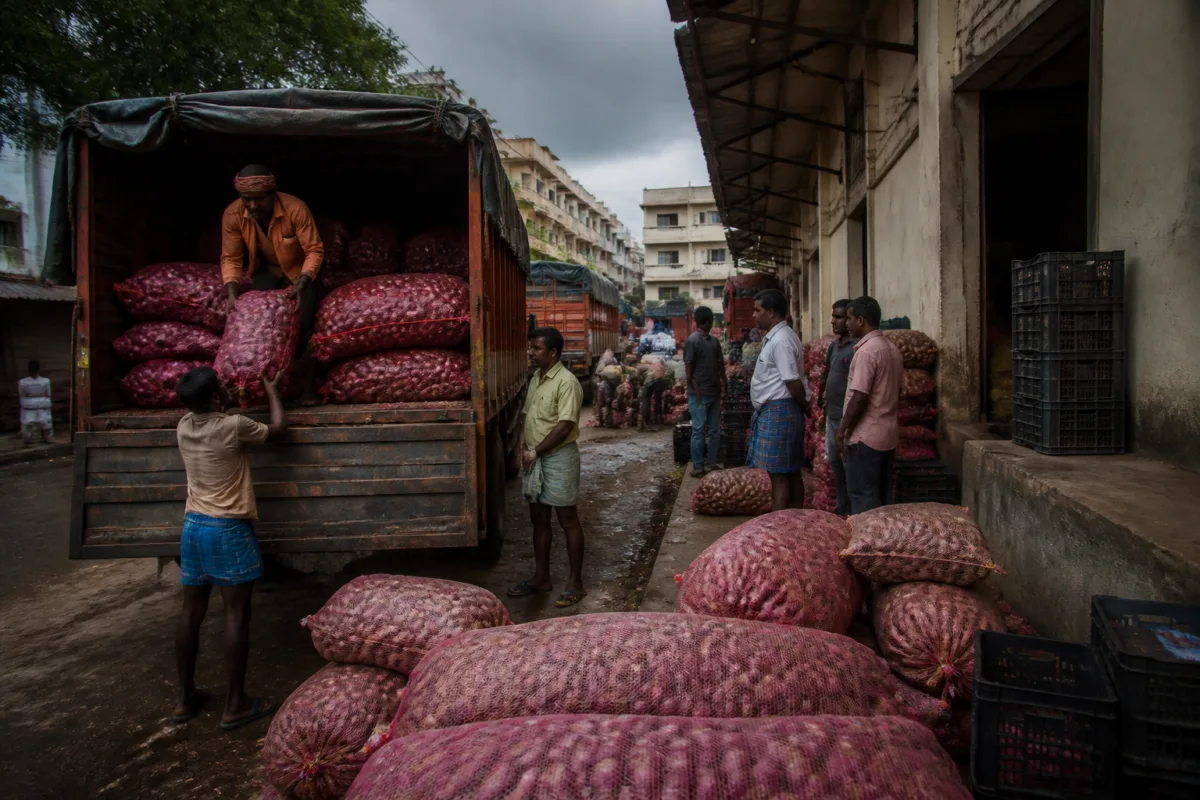
According to the statement, 250 tonnes of onions were procured from northern states during the previous week and transported to Chennai by goods train. The consignment was reportedly kept at a warehouse in Korukkupettai for onward distribution to other districts.
Palaniswami alleged that the onions had not been unloaded from 10 lorries for three days and were deteriorating. He said the 250 tonnes were at risk of being wasted, resulting in a loss to taxpayers. The supplied report does not include an independent inspection, warehouse record, transport document or official confirmation of the condition of the consignment.
The statement also referred to a separate 450-tonne consignment procured through the National Agricultural Cooperative Marketing Federation of India, or NAFED, as part of a fourth procurement phase. Palaniswami said the Tamil Nadu government had reportedly declined to accept the onions because they were of inadequate quality, while NAFED had reportedly said the consignment had not been returned.
Those reported positions form the basis of the allegation that the 450 tonnes brought into Tamil Nadu were unaccounted for. The material supplied does not contain a direct statement from the Tamil Nadu government, NAFED, the warehouse operator, transport contractors or officials responsible for the procurement. It also does not establish whether the 450 tonnes mentioned in connection with NAFED are the same consignment as the 250 tonnes reportedly held near Korukkupettai, or whether they are separate quantities.
The dispute highlights the administrative risks involved in moving perishable commodities through a public distribution chain. Procurement, quality inspection, acceptance, storage, transport and district-level allocation must be recorded across different stages. A delay at any point can affect both the financial value of the commodity and the government’s ability to sell it at a controlled price.
Palaniswami urged the state government to take measures to control price increases and accused it of failing to understand the seriousness of rising onion prices. His statement described the reported handling of the consignments as a waste of public money and called for greater care in implementing measures intended to moderate prices.
The supplied report does not provide the government’s response to the allegations, NAFED’s complete position, the procurement price, the intended retail price, the dates of delivery, or the districts scheduled to receive the onions. Confirmation of warehouse inventories, transport records, quality assessments and acceptance or rejection documents would be required to establish what happened to the consignments and whether any quantity was lost or wasted.

