


A reported plan by DMK mayors and councillors in Chennai and other Tamil Nadu municipal corporations to resign collectively has been put on hold after party president M.K. Stalin is said to have opposed the move, according to a report by Dinamalar. The report attributes the account to unnamed party sources and does not include an official statement from the mayors, councillors, municipal administrations or the DMK leadership confirming the alleged resignation plan.
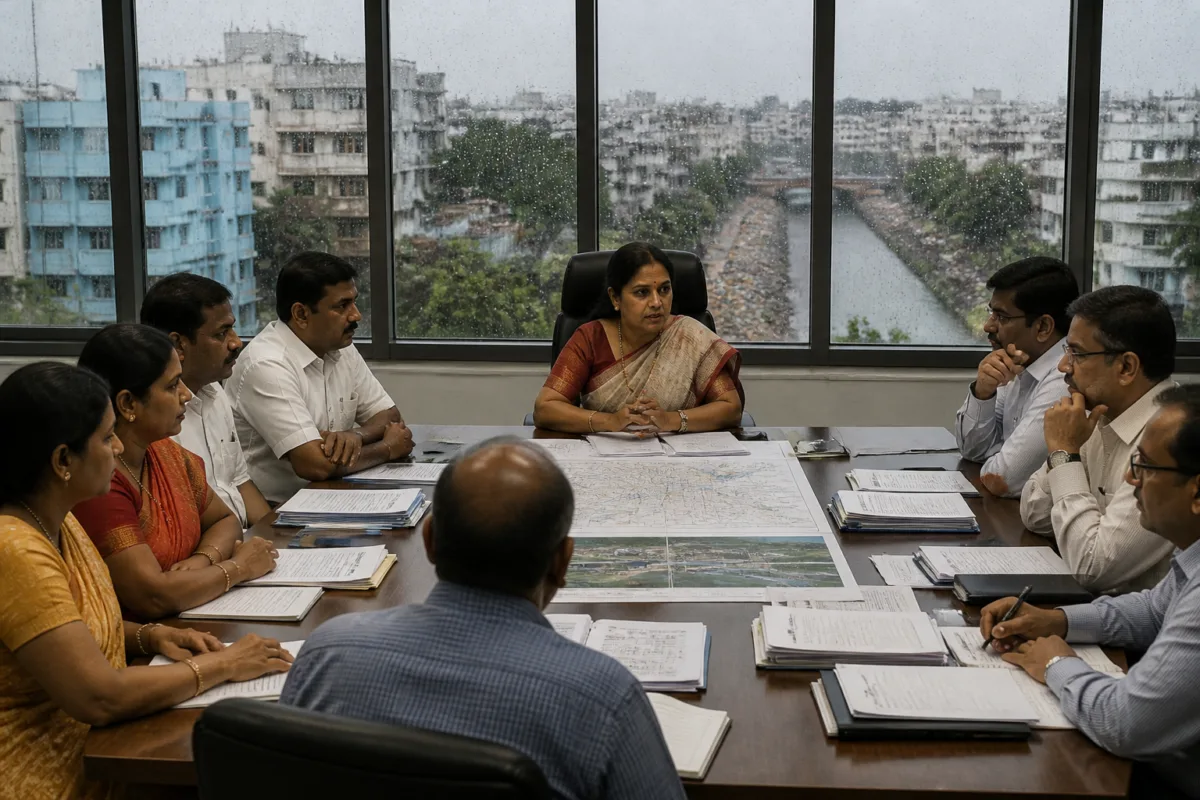
The reported dispute centres on the relationship between elected representatives and municipal officials. In Chennai, Mayor Priya, Deputy Mayor Mahesh Kumar and DMK councillors were allegedly not invited to meetings led by ministers to review monsoon preparedness work, the report said. It also alleged delays in releasing ward development funds for councillors and a special fund intended for the mayor.
According to the report, DMK representatives raised complaints about the lack of administrative cooperation. Ministers from the Tamilaga Vettri Kazhagam were quoted as responding that officials should cooperate in municipal administration without political differences. The account places the disagreement within a wider conflict over the control and allocation of civic resources rather than presenting it as a dispute limited to meeting invitations.
The report also referred to tensions in other municipal corporations, including Tiruchirappalli, where DMK councillors and officials were said to be in conflict over fund allocation and pending works. It did not provide documentary evidence, specific fund amounts, official correspondence or statements from the corporations concerned to establish the scale of the alleged disputes.
The reported resignation plan was linked to concerns over accountability during the monsoon. According to the report, DMK mayors and councillors feared that if flooding occurred and municipal relief operations were inadequate, public anger would be directed at elected representatives even if they lacked control over administrative decisions or funding releases. The report said this concern contributed to a proposal for the mayors and councillors of Chennai and other corporations to resign together.
The account attributed to party sources said Stalin instructed local-body representatives not to resign. The reported reasoning was that elected representatives should continue serving until the end of their terms and that resignations could create the impression that DMK representatives were retreating under pressure from those in power. The sources also reportedly linked the decision to the potential effect on the party’s prospects in the next local-body elections.
The episode highlights a structural question in municipal governance: how responsibility is divided between elected city representatives and the permanent administrative machinery when funds, project approvals and emergency preparedness are involved. Mayors and councillors are publicly visible and politically accountable, while the release of funds and execution of municipal works depend on administrative procedures and institutional decisions. The supplied report, however, does not establish which authority controlled the allegedly delayed funds or whether any formal request, rejection or administrative order was issued.
The account also does not clarify whether the alleged resignation plan was formally adopted by a municipal body, discussed only within the party organisation or considered informally by individual representatives. No resignation letters, council resolutions, minutes of meetings or official communication have been supplied. These distinctions are important because a collective political discussion, a formal decision by elected representatives and an actual resignation process would carry different administrative consequences.
The report’s claims about the monsoon preparedness meetings likewise require direct confirmation from the Greater Chennai Corporation and the other corporations mentioned. It is not established from the supplied material which meetings were held, which officials organised them, whether elected representatives were formally invited, or whether their absence affected operational planning. The report also does not provide a response from Mayor Priya, Deputy Mayor Mahesh Kumar, the Chennai corporation commissioner or the state’s municipal administration department.
For now, the verifiable element is that Dinamalar has reported an alleged conflict involving DMK municipal representatives, officials and funding decisions, and has attributed the decision to halt the reported resignation plan to unnamed party sources. The central claim remains unconfirmed in the supplied material. Confirmation would require an official statement from the DMK or the concerned mayors and councillors, municipal records relating to the funds and meetings, or direct responses from the relevant civic and state authorities.

