


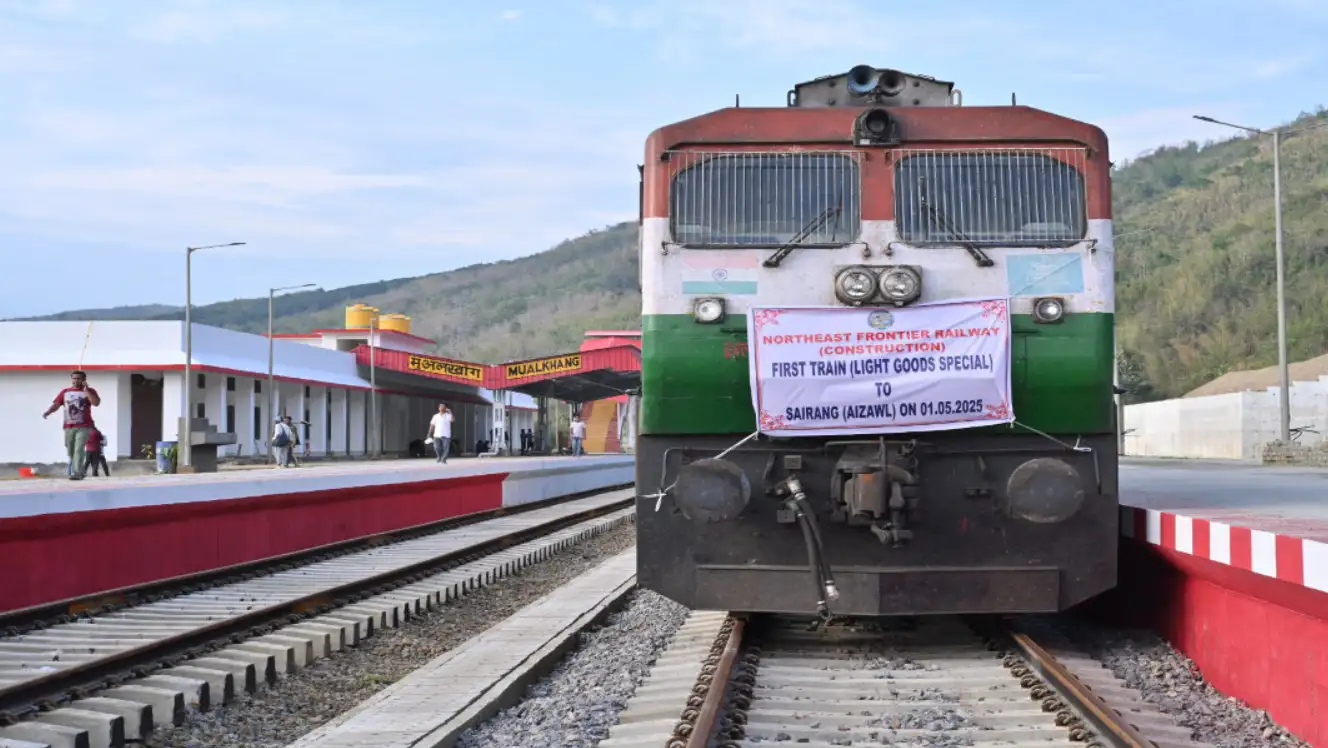
The Northeast Frontier Railway (NFR) has successfully conducted its first-ever trial run to Sairang, a significant step in improving rail connectivity to Mizoram.
This achievement, which took place on May 1, is not only a technical milestone but also a strategic push to integrate the northeastern region further into the national railway network, promising long-term benefits for the state and its people. The trial run, marking the culmination of years of planning and construction, is part of the Bhairabi-Sairang New Line Railway Project, a complex engineering endeavour aimed at enhancing the movement of people and goods in and out of Mizoram. With this development, Mizoram becomes the fourth northeastern state to be connected to the national rail network, following the successful integration of other states such as Assam, Nagaland, and Tripura. For the people of Mizoram, this railway link represents a vital lifeline to the rest of India, significantly reducing travel time to key cities and easing access to essential supplies.
The 51.38 km-long railway line from Bhairabi to Sairang is an engineering marvel, comprising 48 tunnels and 55 major bridges. It traverses some of the most challenging terrains in India, including steep hills and valleys, requiring advanced engineering solutions. One of the most striking features of the project is its collection of tunnels, which stretch across a total length of 12,853 metres, making it one of the most extensive tunnel networks in the Indian Railways’ portfolio. The tallest bridge on the new line, Bridge No. 196, stands at an impressive 104 metres—nearly 42 metres taller than the iconic Qutub Minar—further underscoring the project’s engineering complexity. With a combination of road over bridges and road under bridges, the railway line will ensure smooth passage for both rail and road traffic, enhancing connectivity and mobility for the local population.
Experts familiar with the project have highlighted its immense potential to boost Mizoram’s economy. The railway line is expected to facilitate the transportation of goods, enhance local tourism, and support small industries in the region. It is also poised to lower the cost of transportation, making it more affordable for the people of Mizoram to access markets in the rest of India. The improved connectivity is expected to create more job opportunities and foster regional development, as it will make the state more accessible to businesses and tourists alike. The successful trial run also serves as a testament to the dedicated efforts of the NFR team, who have navigated significant logistical and technical challenges. Despite the difficult terrain and the remote nature of the project site, the construction of the railway line has been progressing steadily. A senior official from the NFR confirmed that the project’s work is on track, with the Commissioner of Railway Safety scheduled to inspect the line in early June. The formal inauguration of the Bhairabi-Sairang railway project is expected after June 17, with experts anticipating a swift completion of the line once all safety checks are cleared.
For the residents of Mizoram, this railway link represents a much-needed step towards better connectivity and inclusivity in India’s transport infrastructure. Until now, the region has remained somewhat isolated from the national rail network, making travel to and from Mizoram difficult and time-consuming. The new railway line will bridge this gap, ensuring that Mizoram is better connected with the rest of the country, both socially and economically. In addition to the tangible benefits for the local economy and tourism, the project aligns with broader national objectives of promoting sustainable and eco-friendly transport options. Railways are a more sustainable mode of transport compared to road or air travel, offering an opportunity to reduce the region’s overall carbon footprint. The integration of Mizoram into the national rail network is a step towards achieving a more balanced and inclusive transportation system that reduces dependence on less sustainable modes of travel.
Looking ahead, experts suggest that this railway line could serve as a model for future infrastructure projects in other remote or hilly regions of India. The successful implementation of the Bhairabi-Sairang project showcases the potential for using innovative engineering solutions to overcome geographical challenges, a crucial consideration for any large-scale infrastructure initiative in India. The economic and social benefits of this new rail connectivity extend beyond just the immediate improvements in travel times and logistics. By facilitating smoother and more reliable transportation of goods, the railway line is expected to open new markets for local produce and facilitate easier access to raw materials for industries in Mizoram. Additionally, the reduction in transportation costs will make products from the region more competitive, providing a boost to the local economy.
The government’s commitment to enhancing connectivity through such projects also resonates with broader goals of sustainability and equitable development. As the country continues to strive for greener and more inclusive infrastructure, projects like the Bhairabi-Sairang railway line highlight how strategic investments in transportation can bring about meaningful social and economic change for underserved regions. The successful trial run of the Sairang railway project marks a significant step forward in improving connectivity to Mizoram, with far-reaching implications for the region’s economic, social, and environmental future. As the project moves towards completion, it promises to deliver lasting benefits for the people of Mizoram, reinforcing the importance of infrastructure development in achieving a more connected, sustainable, and equitable India.
Also Read : Chennai to Jodhpur superfast train service begins
Sairang Rail Trial Run Boosts Connectivity for Mizoram
