


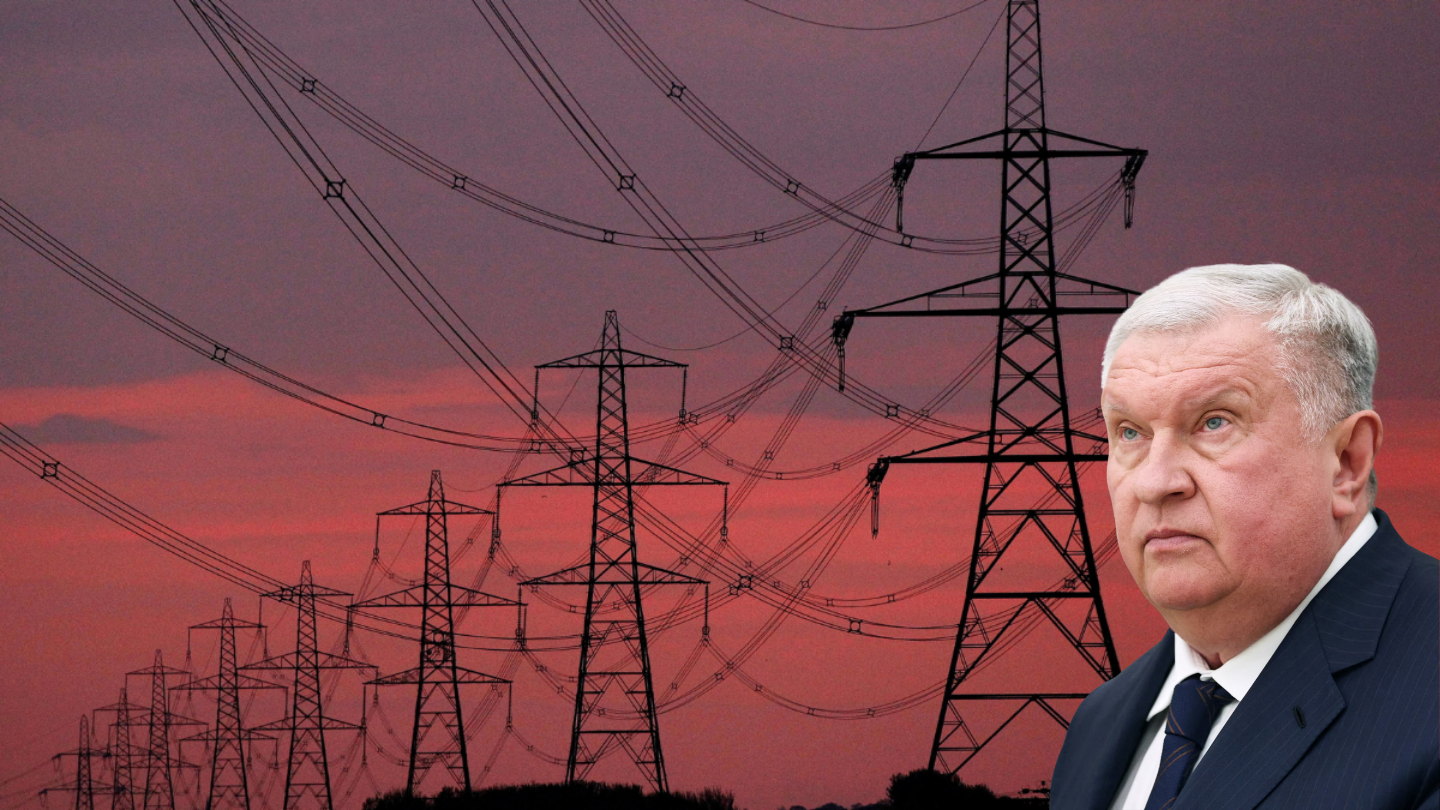
At the prestigious St. Petersburg International Economic Forum, Igor Sechin, the esteemed CEO of Rosneft, Russia’s premier oil producer, delivered a significant projection regarding India’s energy landscape. Sechin foresees a remarkable surge in India’s energy consumption over the next few decades, aligning with the country’s burgeoning economic growth trajectory.
According to Sechin’s estimations, India, currently on a trajectory to become one of the top three largest economies globally with a projected GDP of USD 5 trillion, is poised to witness a momentous economic transformation. By 2050, he asserts, India is likely to surpass the United States in terms of economic size, indicative of its remarkable developmental journey.
Central to Sechin’s discourse is the anticipated surge in India’s end-use energy consumption, set to escalate by a staggering 90% by 2050. This exponential growth rate underscores India’s evolving economic landscape and its burgeoning demands across industrial, commercial, and residential sectors.
Furthermore, Sechin shed light on Rosneft’s strategic initiatives aimed at fortifying energy cooperation between Russia and India. Highlighting a recent term agreement with the Indian Oil Company to augment oil supplies and diversify India’s oil grades, Sechin emphasized the significance of reinforcing economic ties between the two nations in the energy domain.
In his address, Sechin also expressed reservations regarding prevailing energy transition policies, questioning the efficacy of prioritizing the anthropogenic factor in climate change discourse. He cited physicist Pyotr Leonidovich Kapitsa’s skepticism towards alternative energy sources and emphasized the formidable challenges facing the widespread adoption of clean fuels like hydrogen.
Despite the global advocacy for renewable energy, Sechin underscored the dominance of traditional energy sources such as oil, gas, and coal, which continue to meet the lion’s share of global energy needs. He cautioned against an overly aggressive push for the green agenda, highlighting the imperative of ensuring energy security and addressing energy inequality, particularly in developing nations experiencing rapid industrialization and population growth.
Sechin’s insights illuminate the complex dynamics shaping India’s energy landscape and underscore the critical importance of pragmatic energy policies aligned with the country’s developmental aspirations and global energy realities.
