


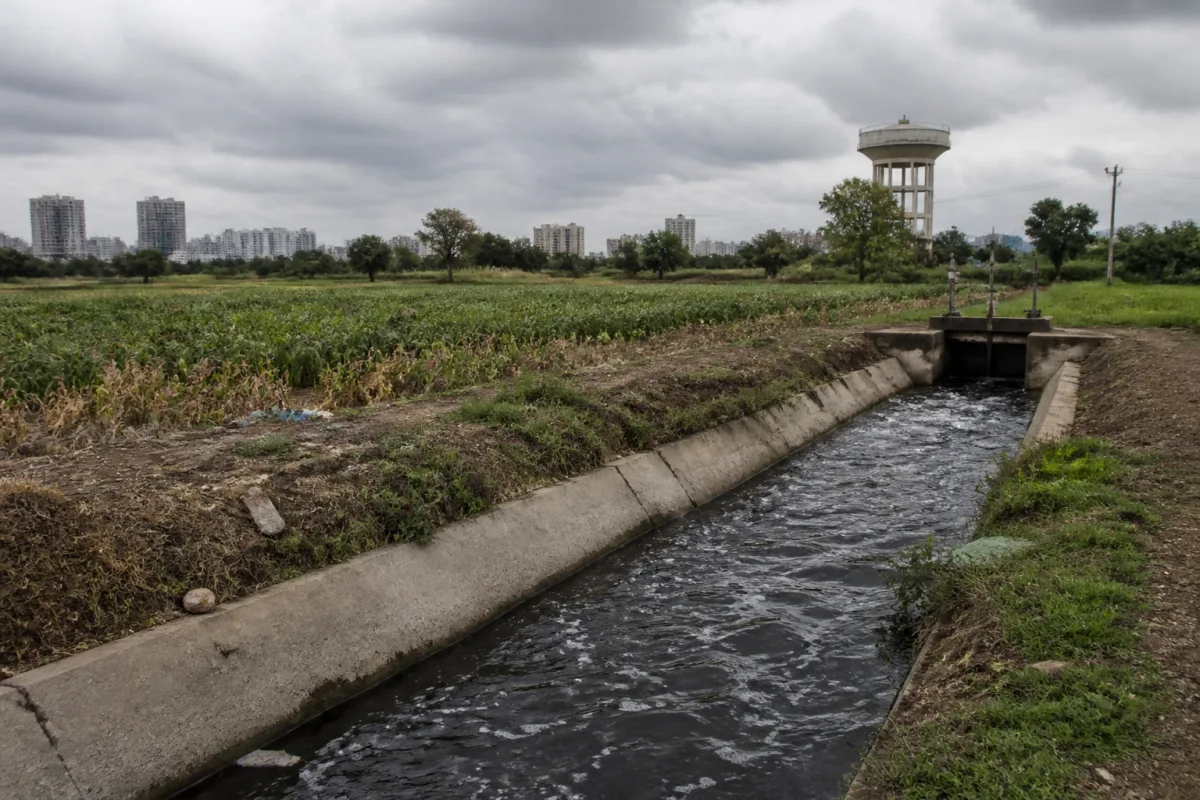
The Bombay High Court has issued notices to the Pune Municipal Corporation (PMC) and Maharashtra’s Water Resources Department over a petition alleging that Pune is drawing substantially more water than its approved allocation and releasing untreated sewage into rivers and farm canals. The petition has been filed by farmer Vitthal Jarad and other farmers from Pune’s rural fringe, who say the city’s expanding water demand is damaging agricultural livelihoods downstream.
The court has asked the PMC and the Water Resources Department to file detailed replies before the next hearing on December 17. The notices concern allegations that Pune’s annual water use has exceeded the quota allotted to it and that sewage containing industrial chemicals is entering waterways without the treatment required under earlier arrangements.
According to the petition, the Water Resources Department has allotted Pune city 13.5 TMC of water a year. The petitioners say the city’s demand has crossed 20 TMC as its population has risen beyond 80 lakh. They further allege that the PMC is drawing nearly 1,550 million litres per day above its permitted limit, despite claiming to have imposed a 10 per cent water cut.
The farmers have referred to an August 2017 direction from the Water Resources Department’s chief engineer requiring the PMC to limit water use according to verified population figures. They also allege that subsequent directions from the Maharashtra Water Resources Regulatory Authority were not followed, prompting them to seek judicial intervention.
The petition also raises concerns about the quality of water reaching agricultural areas. Under earlier agreements, the PMC was expected to treat the city’s sewage through the Mundhwa Jackwell project before releasing water downstream for irrigation. The petition alleges that raw sewage mixed with industrial chemicals is instead being discharged into rivers and farm channels. The farmers say the polluted water has made stretches of fertile land saline and unfit for cultivation, damaged seasonal crops and affected small agricultural holdings.
The case places Pune’s urban water demand in direct conflict with the needs of rural areas that depend on the same water system for irrigation. The farmers contend that traditional irrigation access is being reduced to meet the city’s requirements without adequate compensation or environmental safeguards. The petition’s allegations have not yet been established by the court, and the PMC and Water Resources Department are expected to respond before the next hearing.
Separately, the PMC has announced measures aimed at reducing the use and wastage of drinking water. Additional Municipal Commissioner Pavneet Kaur has ordered that drinking water must not be used for private building construction or ready-mix concrete plants. The civic body has said treated water from sewage treatment plants must be used for those commercial activities.
The PMC has also announced penalties for violations, including a Rs 5,000 fine and immediate disconnection for unauthorised tap connections, a Rs 1,000 fine for overflowing overhead tanks and a Rs 10,000 fine for leaking commercial water tankers. Vehicle-washing centres and swimming pools using water on water-cut days, including Thursdays, may also face a Rs 10,000 penalty.
The High Court proceedings will determine how the respondents address the alleged excess extraction, compliance with water-allocation directions and the treatment of sewage released towards agricultural areas. The next hearing is scheduled for December 17.

