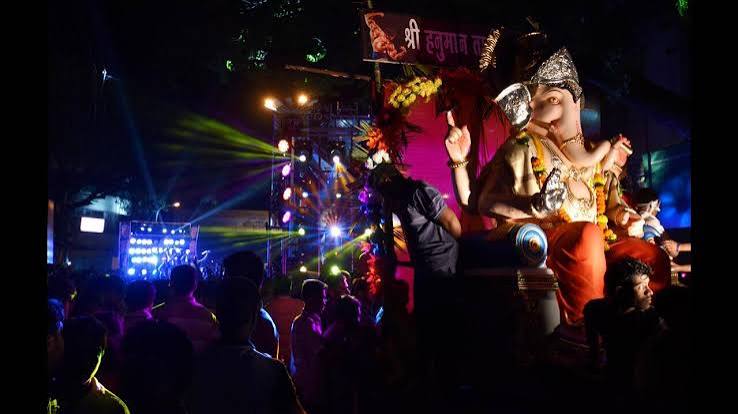
Pune Ganpati Celebrations Draw Noise Pollution Debate
Pune’s Ganpati celebrations are entering a closely watched phase this year as the debate over high-decibel music moves from neighbourhood protests to the political centre of Maharashtra. With Ganeshotsav beginning on September 14, calls for quieter celebrations are putting pressure on organisers and civic authorities to balance religious and cultural traditions with residents’ right to a healthier urban environment.
The discussion gained momentum after residents raised concerns about DJs and powerful sound systems used during processions and festivities. What began as a local demand has since developed into a wider civic conversation, with citizens questioning how much noise a densely populated city should absorb during a 10-day public festival. The Maharashtra chief minister has urged Punekars to follow a traditional form of celebration and avoid turning the issue into a source of conflict. The appeal stops short of announcing a blanket prohibition on DJs, leaving the practical question of enforcement with the civic administration, police and festival organisers. For Pune, the issue extends beyond individual preferences. High-decibel sound can affect residential neighbourhoods, hospitals, schools, older residents and people working night shifts. Urban planners say festival management in a rapidly expanding city increasingly requires attention to how public events share limited urban space and affect different groups of residents.
The noise question is also tied to the way Pune manages its public realm during major festivals. Roads, junctions and neighbourhood streets become temporary gathering spaces, while traffic diversions, pedestrian movement and emergency access must operate alongside celebrations. A more predictable approach to sound limits could therefore form part of broader festival planning rather than being treated only as a dispute between mandals and residents. Several Ganesh mandals have indicated support for reducing sound levels, while others have objected to demands for a complete ban on DJs. The disagreement highlights a larger challenge for civic authorities: restrictions need to be transparent and applied consistently, rather than appearing to target one community or event. Environmental considerations also matter. Quieter celebrations can reduce disturbance across residential areas while making public spaces more comfortable for pedestrians and families. At the same time, organisers and authorities will need clear guidance on permitted sound levels, monitoring methods and enforcement procedures if the policy is to work on the ground.
As Ganeshotsav approaches, Pune faces an opportunity to test whether a major cultural festival can retain its public character without placing an excessive burden on the city’s residents. The outcome will depend less on political appeals than on consistent implementation, measurable noise controls and cooperation between citizens, mandals and civic agencies.