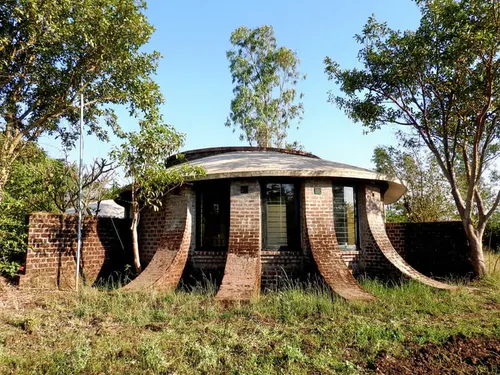
Pune Farmstay Offers A Different Rural Living Model
A former Bollywood actor has drawn renewed attention to the growing farmstay economy around Pune after videos from her rural property in the Sahyadri landscape attracted widespread online interest. The retreat, operated as a small hospitality venture, combines accommodation with farming, locally prepared food and direct engagement with the surrounding landscape, reflecting a broader shift towards slower, nature-based tourism near major cities.
Located roughly two hours from Pune, the property sits within the greener belt of the Sahyadri region. Its operating model is markedly different from conventional weekend resorts. Guests stay in a duplex accommodation while the property maintains vegetable and fruit cultivation, uses farm produce in its kitchen and retains much of its existing vegetation. The development is relevant to Pune farmstay tourism, which has expanded alongside demand for short rural breaks from the city’s rapidly urbanising environment. The trend is being supported by improved road connectivity, rising disposable incomes and growing interest in experiences centred on food, nature and wellness rather than conventional hotel facilities. The property also demonstrates how small-scale hospitality can connect tourism spending with local production. Food grown on-site can reduce dependence on long-distance sourcing for at least part of the kitchen’s requirements, while handcrafted products and farm-based goods create additional revenue streams. Such models remain small compared with mainstream hospitality, but they can distribute economic activity beyond established tourist centres.
Water, land and waste management are crucial to whether this model remains environmentally responsible. A farmstay located in a sensitive hill landscape can put pressure on groundwater, generate additional waste and contribute to road traffic if visitor numbers rise sharply. Responsible operators therefore need to match occupancy with the carrying capacity of their land and local infrastructure. The property’s approach to vegetation is another important element. Existing trees, including plants described as medicinal, have been retained alongside cultivated crops. For rural tourism, preserving mature vegetation can provide shade, reduce the need for landscape-intensive landscaping and maintain habitat, although the ecological value depends on how much natural vegetation survives as development expands. Animal management has also shaped the visitor experience. Dogs living on the property are housed within a fenced area, allowing guests with pets to visit while maintaining separation where necessary. This illustrates a broader move towards accommodation designed around specific lifestyles rather than standardised hotel formats.
For Pune’s surrounding rural belt, the expansion of Pune farmstay tourism presents both an opportunity and a planning challenge. Additional visitor spending can support farmers and small businesses, but unmanaged construction can fragment agricultural land and increase pressure on fragile landscapes. The future of this segment will depend on whether rural hospitality can grow without reproducing the infrastructure pressures seen in cities. Smaller properties, locally sourced food, landscape conservation and careful limits on construction could help make farm-based tourism an economic opportunity while keeping the Sahyadri countryside productive and liveable.