


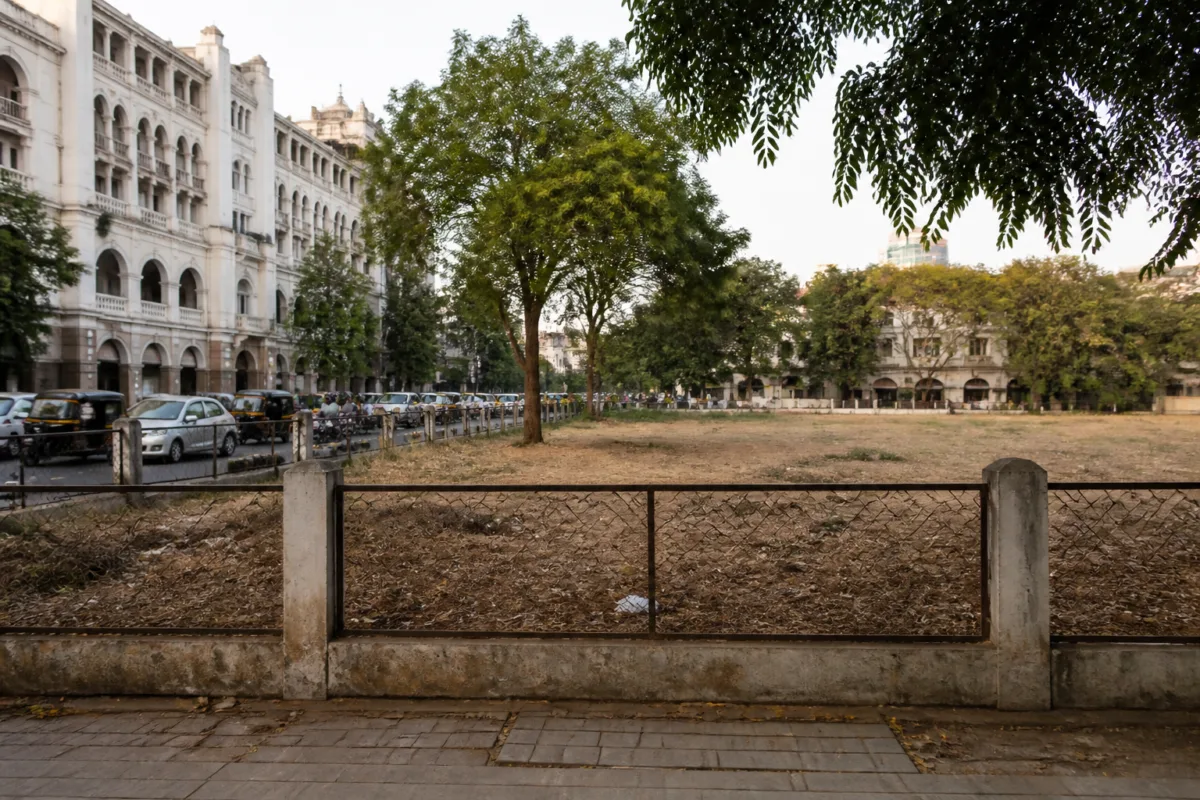
The Pune Cantonment Board’s plan to commercially develop three strategically located sites is not simply a real-estate proposal. It is a response to a severe civic-finance gap that has left the board dependent on Ministry of Defence support to pay salaries, pensions and basic operating costs. The proposal covers land in Koregaon Park, Dhobi Ghat and 35 Mahatma Gandhi Road, with development expected through public-private partnerships after statutory approvals are secured.
According to a report by Pudhari, the board has sent the proposal to the Ministry of Defence and is awaiting final approval. Officials cited in the report said the proposal was at an advanced stage and that further action would begin after approval. The board’s stated objective is to create a regular source of income from land that is either unused or not currently generating sufficient revenue.
That connection between land development and service delivery is the central fact behind the announcement. The Pune Cantonment Board reportedly needs at least Rs 12 crore every month to meet expenditure on employees’ salaries, retired employees’ pensions, water, electricity and other essential costs. Its monthly income, however, is below Rs 2 crore. The gap means that recurring civic expenditure cannot be met through the board’s existing revenue base.
The difference between the two figures is substantial. On the basis of the amounts reported, the board’s monthly requirement is at least six times its current income. The shortfall is not limited to a single month or an isolated project. It affects the board’s ability to maintain routine municipal functions, including road repairs, street-light maintenance and upkeep of gardens.
The board had also received financial assistance of Rs 25 crore from the Ministry of Defence a few months ago to meet expenses, the report said. Such assistance can address an immediate cash-flow problem, but the proposed land development indicates that the board is seeking a recurring revenue mechanism rather than relying only on periodic grants. The report does not provide details of the proposed lease structure, expected annual revenue, development cost or the share of income that would accrue to the board under the public-private partnership model.
What the Pune Cantonment land plan includes
The three locations have different urban and commercial characteristics. The Koregaon Park site is described as being in a high-value and commercially important part of Pune. It is a fenced property that has remained unused for several decades, according to the report. The board believes that commercial development there could generate significant revenue.
The report identifies the Koregaon Park site as measuring 5.43 acres. It does not state the permissible built-up area, zoning conditions, development controls, parking requirements or the nature of commercial activity being considered. Those details will be important in determining whether the site can become a stable source of income or whether development would create new pressures on traffic, parking and public services in the surrounding neighbourhood.
The second location is at Dhobi Ghat. The supplied report identifies it as one of the three sites under consideration but does not provide its area, current use, development potential or the proposed commercial format. Without those details, the financial contribution of the site cannot be assessed alongside the other two properties.
The third property is the site at 35 Mahatma Gandhi Road, commonly known as MG Road. The area listed in the report is between 8,000 and 10,000 square feet. The board is awaiting approval for its commercial use and is considering more than one approach: constructing a commercial complex or developing infrastructure itself.
That distinction matters because the two models would place different responsibilities on the board. A private partnership could reduce the board’s direct construction burden but would require a clearly defined agreement covering capital investment, lease or concession duration, revenue sharing, maintenance and accountability. Self-development could give the board greater control over the asset, but would require funding, project management capacity and the ability to manage construction and operations. The report does not say which model has been selected for the MG Road site.
Land assets cannot by themselves solve a recurring deficit
The proposal reveals a familiar difficulty in urban administration: a public authority may control valuable land while lacking enough regular income to maintain everyday services. In this case, the board has identified underused properties as potential financial assets, but the financial crisis is recurring. The board needs money every month for staff, pensions, utilities and civic maintenance, while the proposed projects may take time to secure approval, plan, build and begin generating returns.
This creates a timing issue that is not resolved by the announcement alone. The report confirms that the proposal has been sent to the Ministry of Defence and is awaiting final approval. It does not establish when construction could begin, whether tenders have been prepared, or when revenue would start flowing. Until those steps are completed, the board’s immediate dependence on grants remains unchanged.
The approval process also reflects the institutional structure of cantonment administration. The board cannot treat the land as an ordinary municipal property without the required statutory permissions. The Ministry of Defence’s role is therefore central to the proposed development. The report does not specify the complete approval chain, the applicable land-use conditions or whether other planning and building permissions would be required after the ministry’s decision.
For residents, the issue is ultimately less about the commercial value of individual plots and more about whether the proceeds can improve the reliability of local services. The report links the revenue shortage to complaints about roads, street lights and gardens. If the land plan progresses, the public-interest question will be how the additional income is protected for civic expenditure and whether the board publishes clear information about the agreements and financial outcomes.
The governance questions behind the proposal
Public-private development is not automatically a solution to weak municipal finances. Its value depends on the quality of the contract, the valuation of the land, the transparency of the selection process and the financial terms secured for the public authority. None of these terms is available in the supplied report. The proposal therefore represents an intended strategy, not a confirmed financial turnaround.
The location of the sites makes the governance question more important. Koregaon Park and MG Road are commercially significant areas, and development on public land in such locations can affect surrounding mobility, parking, access and land values. The source report does not state whether traffic assessments, parking plans, environmental reviews or consultations with local residents have been completed. These details would determine how the projects fit into the existing urban fabric.
The board’s financial position also raises a question about the relationship between asset monetisation and municipal capacity. Commercial land can generate a large one-time payment, a periodic lease income or a continuing revenue share. These are not financially equivalent. A one-time transaction may provide short-term relief but leave the board exposed again if recurring expenditure remains higher than recurring income. A long-term revenue arrangement may be more suitable for salaries, pensions and utilities, but only if the contractual terms provide dependable returns.
The figures reported by Pudhari show why the board is pursuing new income. Monthly income below Rs 2 crore is insufficient against a requirement of at least Rs 12 crore, and the Rs 25-crore assistance received earlier provides only temporary support when measured against that gap. The available information does not establish whether the board has other revenue options, whether expenditure reforms are under consideration or how much the three properties could earn.
That missing financial detail is significant. A credible land-development plan would need to clarify the expected capital cost, the estimated revenue, the period required to recover investment, the board’s share under the partnership and the safeguards against underutilisation. It would also need to show how the revenue would be allocated between urgent maintenance, employee liabilities and longer-term infrastructure needs.
What happens next for Pune Cantonment
The immediate next step is the Ministry of Defence’s decision on the proposal. The officials quoted in the report said that subsequent action would follow approval. Until then, there is no confirmed construction schedule, tender deadline, developer or operating model for any of the three locations.
The case demonstrates how the financial condition of a local urban authority can shape land-use decisions. The Pune Cantonment Board is attempting to convert underused land into an income-generating asset because its existing revenue cannot cover basic obligations. The proposal may create a new source of funds, but the evidence currently confirms only the intention to develop the sites and the seriousness of the board’s financial shortfall.
The developments that deserve monitoring are the ministry’s approval, the final treatment of each property, the public disclosure of partnership or development terms, and the timeline for actual revenue generation. Those milestones will show whether the land plan becomes a durable civic-finance mechanism or remains another proposal awaiting implementation.

