


Bengaluru | September 9, 2026
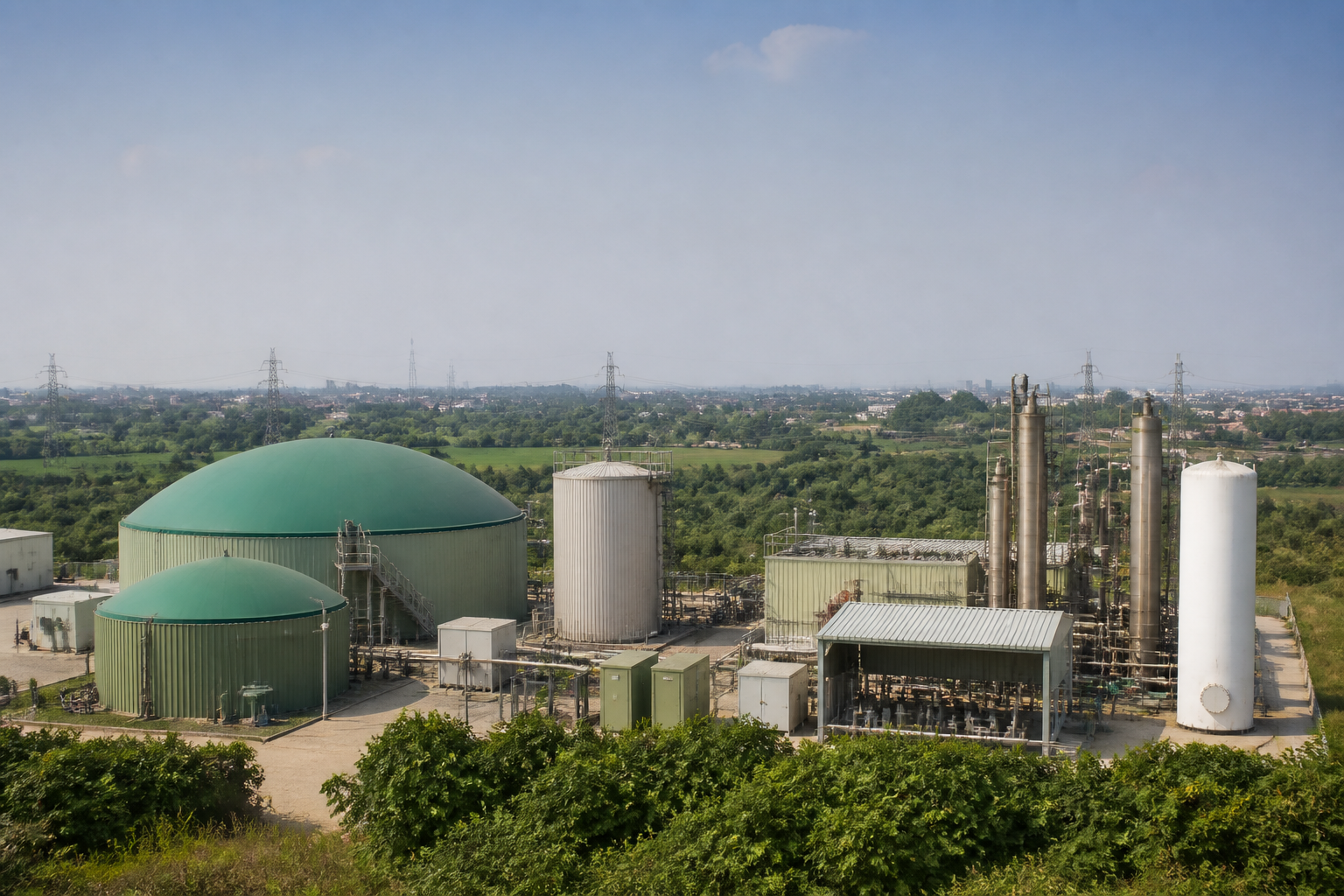
Bengaluru-based KIS Group and Paras Dairy have signed a memorandum of understanding to establish 10 BioCNG plants across Uttar Pradesh, Madhya Pradesh, Maharashtra and other states, with an estimated investment of Rs 1,000 crore, according to a joint statement reported by PTI.
The companies will form a joint venture to develop the proposed plants. The agreement was signed at the IBET Expo, according to the statement. The companies did not disclose a plant-wise investment schedule, construction timeline or commissioning date in the information available.
Under the proposed partnership, KIS Group will be responsible for the technology, construction and operation of the BioCNG plants. Paras Dairy will handle feedstock arrangements, land and approvals, assigning the dairy company a role in securing the physical and regulatory requirements for the projects.
BioCNG, also referred to as compressed biogas or CBG, is produced by processing biogas into a fuel that can be compressed for use. The joint venture’s proposed model links feedstock arrangements and land availability with the construction and operation of the plants, although the companies have not specified the feedstock sources or expected production capacity for each facility.
KIS Group was founded in 2006 and specialises in biogas, BioCNG and BioLNG solutions, according to the joint statement. The group is based in Bengaluru and is expected to provide the technical and operational capabilities for the proposed facilities under the agreement.
Paras Dairy currently has plants in Sahibabad, Guloathi and Sandila in Uttar Pradesh, Malanpur in Madhya Pradesh and Newasa in Maharashtra. The companies have not stated whether the proposed BioCNG facilities will be located at or near these existing dairy plants, or whether additional sites will be developed elsewhere in the participating states.
The announcement places the proposed investment across four or more states, but does not identify the locations of all 10 plants. It also does not specify the projected employment, fuel output, waste-processing capacity or expected supply arrangements for the facilities.
The next steps under the MoU will involve the joint venture’s formation and the identification of sites, feedstock arrangements, land requirements and approvals. Further details on project locations, construction schedules and plant capacity were not included in the joint statement cited in the report.
