


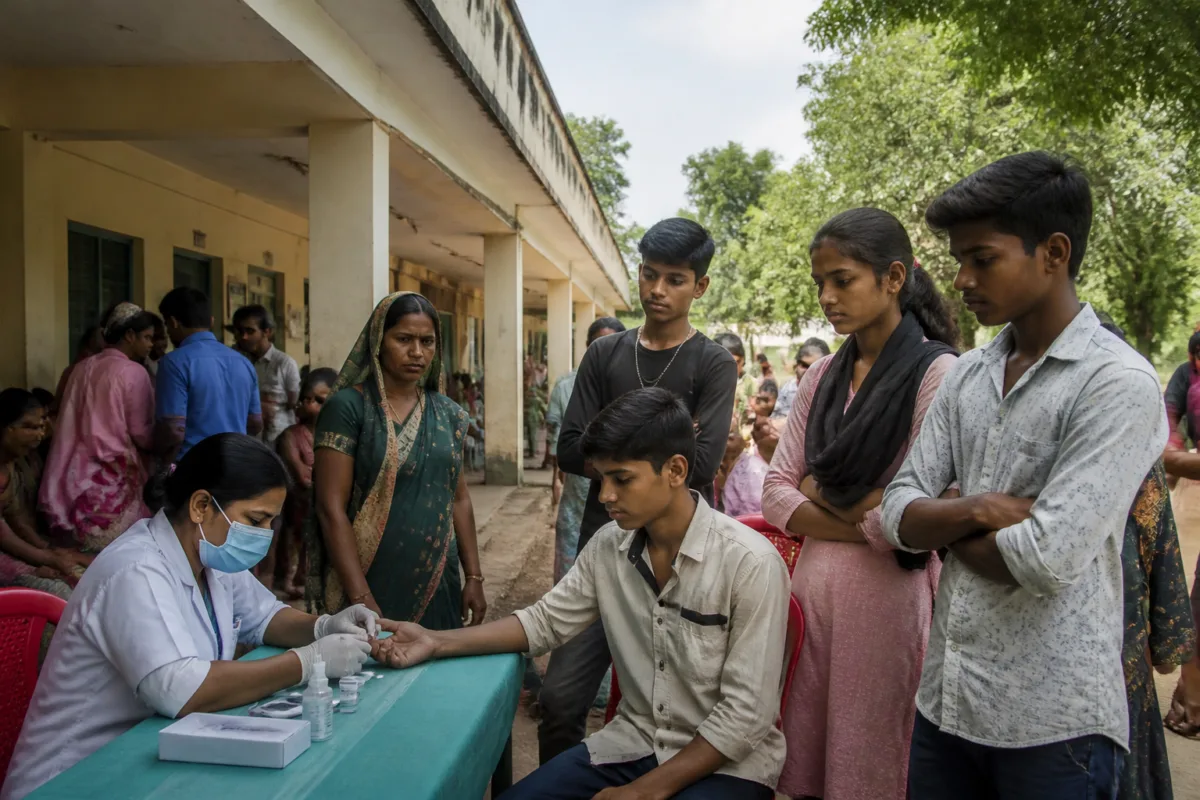
Elevated blood sugar cases are rising among teenagers in Palamu, particularly boys aged 15 to 17, while the district health system faces questions over funding for diabetes awareness campaigns, according to doctors and health officials cited in a report by the Times of India.
Pathologist Dr Shweta Shekhar said on World Diabetes Day that teenagers in the district were increasingly being diagnosed with elevated blood sugar levels. “Boys outnumber girls. We have cases of elevated blood sugar level in boys in the age group of 15 to 17,” she said.
World Diabetes Day is observed on November 14 every year. The theme for 2026 is “Early Action on Diabetes”, placing attention on identifying the condition sooner and responding before it develops into more serious health complications.
The report also highlights a gap in the institutional capacity for public awareness work in Jharkhand. A senior health officer in Ranchi, who spoke on condition of anonymity, said the District Health Society in each of the state’s 24 districts had no provision of funds for launching diabetes awareness campaigns. The officer questioned how diabetes or cancer awareness drives could be conducted without even a “shoestring budget”.
The funding issue is significant because early detection and awareness activities often require coordination beyond hospitals, including outreach to schools, families and communities. The report does not specify whether any district-wide adolescent screening programme is currently operating in Palamu, or how many teenagers have been diagnosed.
Palamu’s public health facilities do provide a formal point of care for non-communicable diseases. Civil surgeon-cum-chief medical officer Dr Anil Kumar Sriwastwa said the Medinirai Medical College and Hospital in Daltonganj runs a non-communicable disease clinic. The clinic covers diabetes and blood pressure, along with oral hygiene issues, he said.
Data cited from the National Family Health Survey-5 shows a substantial difference between urban and rural Palamu. Diabetes prevalence was reported at 13 per 100 people in urban areas, compared with 3 per 100 people in rural areas. The figures indicate that the district’s urban areas carry a considerably higher recorded burden, although the report does not establish the reasons for the difference or whether it reflects variations in screening and diagnosis.
The combination of adolescent cases, higher reported urban prevalence and the absence of dedicated awareness funds places greater attention on how non-communicable disease services are organised at district level. The report does not announce a new funding allocation or a new campaign. The existing NCD clinic at MMCH Daltonganj remains the identified institutional response cited by the health administration.

