


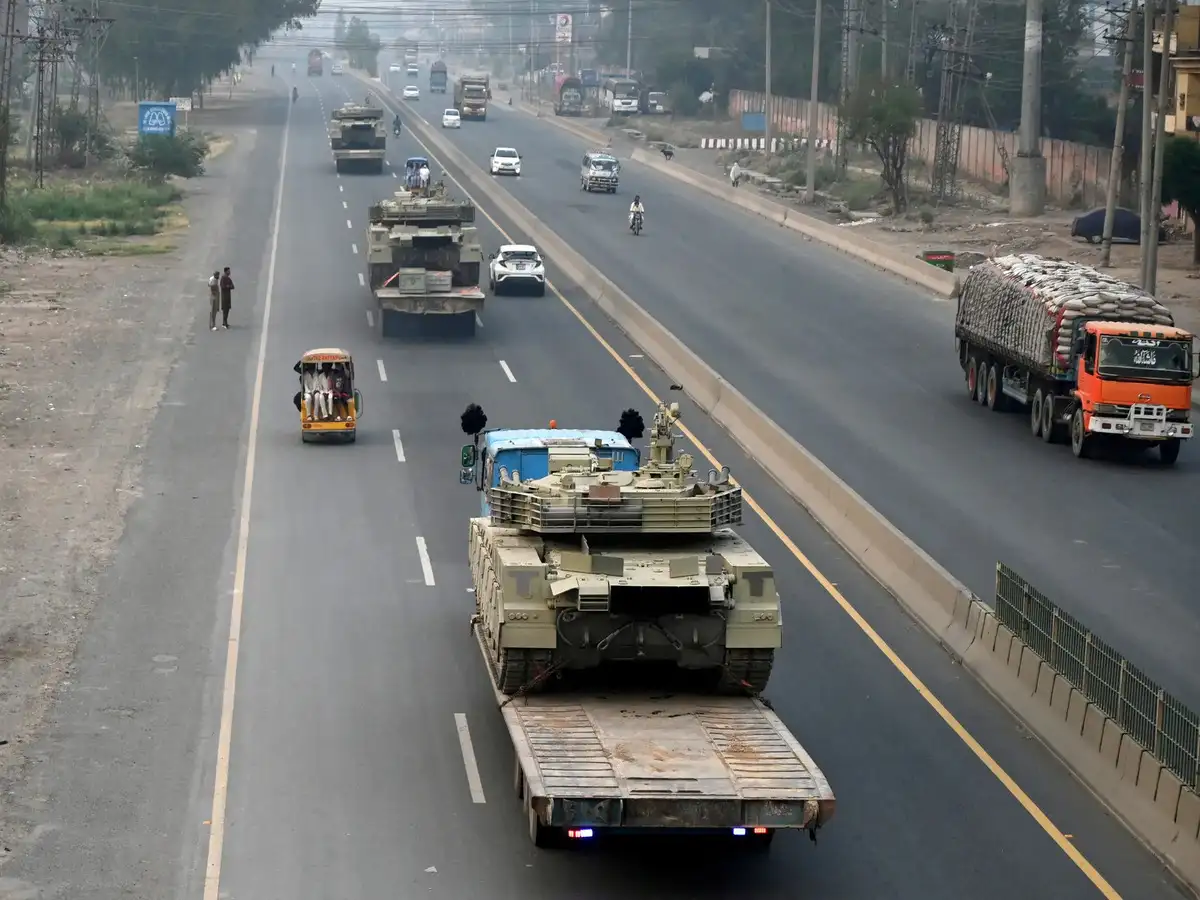
A fresh wave of military escalation between India and Pakistan has reignited tensions across the subcontinent, with Pakistan’s defence spokesperson confirming missile impacts at three of its air force bases in the early hours of Saturday.
Among the locations reportedly hit was the Nur Khan base in Rawalpindi, a major logistics hub for the Pakistan Air Force.The Inter-Services Public Relations (ISPR) acknowledged the incidents and attributed the attacks to Indian air-to-surface missile launches. The bases named—Nur Khan in Rawalpindi, Murid in Chakwal, and Rafiqui in Shorkot—hold strategic importance within Pakistan’s aerial defence infrastructure. Though Pakistan has asserted that all air assets remain unharmed, visuals circulating on social media platforms suggest significant explosions occurred at at least two of the installations.
Indian defence officials have yet to issue a formal statement, though a briefing is expected to follow. The Ministry of Defence earlier confirmed that multiple Indian regions were targeted by Pakistani drones and loitering munitions just hours before the reported retaliatory strikes. According to military sources, at least 26 locations—spanning Jammu and Kashmir to Gujarat—were under threat, including major cities like Baramulla, Srinagar, Pathankot, and Bhuj.One such attack, in the border town of Ferozepur, resulted in serious injuries to civilians after an armed drone struck a residential area. The strike underscores the rapidly growing threat of unmanned aerial vehicles (UAVs) in modern conflict, not only as instruments of warfare but as destabilising agents for civilian life and infrastructure.
The Nur Khan base, believed to house multiple transport and surveillance squadrons—including C-130s, IL-78 refuelling aircraft and AEW&C systems—plays a pivotal role in PAF’s strategic mobility. An attack on this site represents not only a symbolic blow but also a potential operational disruption for Pakistan’s military.This episode marks a significant escalation in the ongoing military friction between the two nuclear-armed neighbours. As civilian areas are increasingly caught in the crossfire, the urgency for diplomatic intervention grows.
Yet, amidst the hostilities, there is also a renewed spotlight on the vulnerability of defence and urban infrastructure across South Asia’s densely populated corridors.
In an age where sustainable urban planning and civilian safety are deeply interconnected, the need to protect city populations from the fallout of such escalations is critical. Whether through improved drone defence systems, decentralised logistics planning, or stronger regional diplomacy, the responsibility now lies in forging resilient, inclusive, and peaceful urban futures.
As the situation evolves, the international community watches with bated breath—hoping that restraint and strategic dialogue will eventually prevail over provocation.
also read : India Pakistan Conflict Disrupts Global Flights
Pakistan Air Logistics Centre Rocked by Blasts
