


The National Green Tribunal has sought responses from five government agencies over alleged sewage pollution at Siddapura Lake near Brookfield in Bengaluru, after a reported mass fish-kill episode brought renewed attention to the city’s recurring lake contamination problem.
The tribunal registered a suo motu case based on a news report that linked sewage inflow into the lake to the deaths of several hundred fish in October. The agencies named in the proceedings are the Bangalore Development Authority, Greater Bengaluru Authority, Karnataka State Pollution Control Board, Central Pollution Control Board and the Commissioner of Bengaluru East City Corporation.
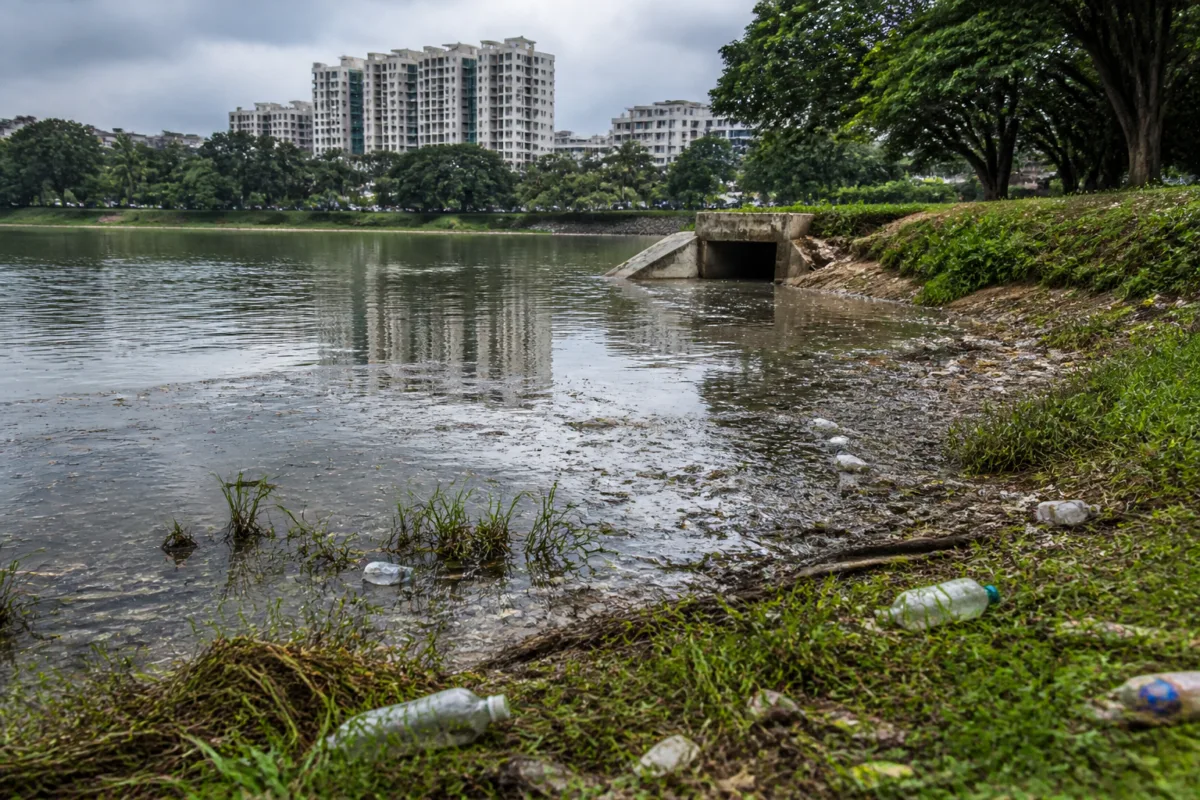
According to the report considered by the tribunal, a large volume of raw sewage entered Siddapura Lake through a nearby stormwater drain after rainfall. Several hundred dead fish were found in the lake on the morning of October 9. The water body was also reportedly affected by garbage and plastic bottles, with a strong stench in the area.
The NGT’s proceedings have placed the incident within a wider question about the effectiveness of Bengaluru’s lake-rejuvenation and sewage-management systems. The tribunal noted concerns over declining water quality, biodiversity and groundwater recharge despite years of effort and expenditure on lake revival.
The tribunal also referred to a complaint received by the lakes and stormwater-drain division of Bengaluru East City Corporation regarding the fish kill. Its observations raise questions about compliance with environmental norms and the implementation of provisions under the Environment (Protection) Act and the Water (Prevention and Control of Pollution) Act.
The agencies have been directed to file replies by way of affidavits at least one week before the next hearing. The NGT has stated that any respondent filing a reply directly, without routing it through its advocate, will have to remain virtually present to assist the tribunal.
Since the matter falls within the jurisdiction of the Southern Zonal Bench, the principal bench has transferred the original application to the Chennai-based bench and directed that the case records be transferred accordingly.
The proceedings bring institutional accountability into focus for a lake system connected to Bengaluru’s stormwater-drain network. They also highlight the practical consequences of sewage entering urban water bodies during rainfall, when drainage infrastructure can carry polluted flows into lakes. The tribunal’s next steps will depend on the explanations and records submitted by the agencies concerned.

