


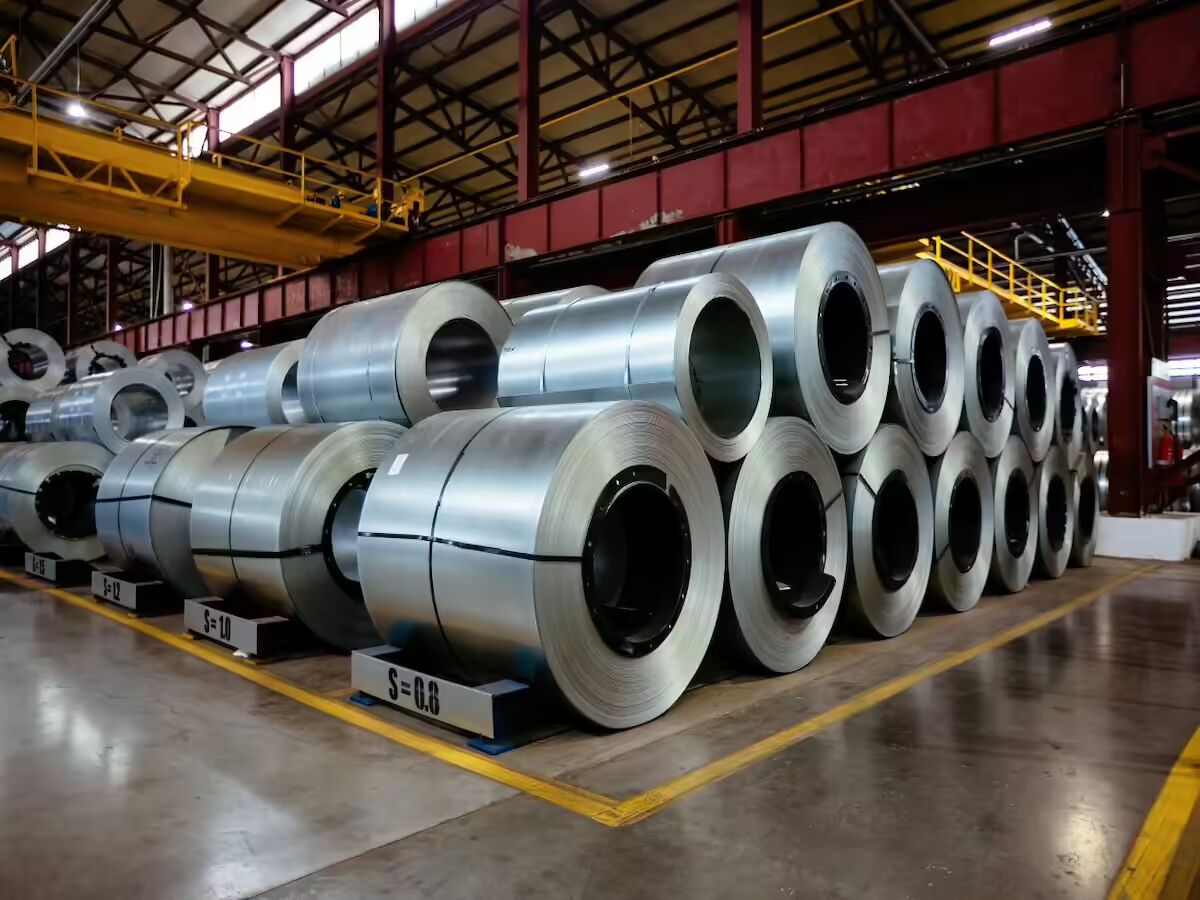
A large-scale steel manufacturing project proposed in Gadchiroli district is gaining traction with policy incentives from the Maharashtra government, signalling a potential industrial shift in the Nagpur region. The planned investment, estimated at ₹40,000 crore, is expected to transform one of the state’s less industrialised districts into a significant manufacturing hub, with implications for employment, infrastructure, and regional economic balance. The project forms part of a broader strategy to decentralise industrial growth beyond established urban centres. By incentivising investment in districts like Gadchiroli, authorities aim to unlock local resource potential—particularly mineral reserves—while reducing economic disparities across regions.
Industry analysts suggest that such initiatives could help create new growth corridors linked to Nagpur, which already functions as a key logistics and administrative centre in central India. For the Nagpur region, the proposed steel plant could trigger a wave of ancillary development, including transport infrastructure, housing demand, and service sector expansion. Large industrial projects typically require significant upgrades in road and rail connectivity, water supply systems, and power infrastructure. Urban planners note that aligning these developments with long-term planning frameworks will be critical to ensuring that growth remains structured and sustainable. However, the scale of the investment also raises important environmental and social considerations. Steel manufacturing is resource-intensive, requiring substantial water and energy inputs while generating emissions and industrial waste. Experts caution that without strong environmental safeguards, such projects could strain local ecosystems, particularly in districts like Gadchiroli, which are known for their forest cover and biodiversity. There are also questions around land use and community impact. Large industrial projects often involve land acquisition, which can affect local populations and livelihoods. Development specialists emphasise the need for transparent processes, fair compensation mechanisms, and inclusive planning to ensure that affected communities benefit from economic opportunities rather than bearing disproportionate costs. From a policy standpoint, the incentives offered by the state government reflect increasing competition among regions to attract high-value manufacturing investments. While such incentives can accelerate industrialisation, economists highlight the importance of balancing fiscal support with long-term returns, including job creation, infrastructure development, and environmental compliance. The project also intersects with India’s broader industrial and climate goals. As the country seeks to expand its manufacturing base, there is growing pressure to adopt cleaner production technologies and improve energy efficiency within heavy industries. Integrating renewable energy sources and adopting low-emission processes could help mitigate some of the environmental challenges associated with steel production.
As the proposal moves forward, the Gadchiroli steel project represents both an opportunity and a challenge for the Nagpur region. Its success will depend on how effectively economic ambitions are aligned with environmental stewardship, infrastructure readiness, and inclusive development—factors that will ultimately determine whether such large-scale investments contribute to sustainable regional growth.
ALSO READ – Nagpur Eyes Energy Hub Status With SNG Plan
Nagpur Region Steel Plant Plan Gains Policy Push
