


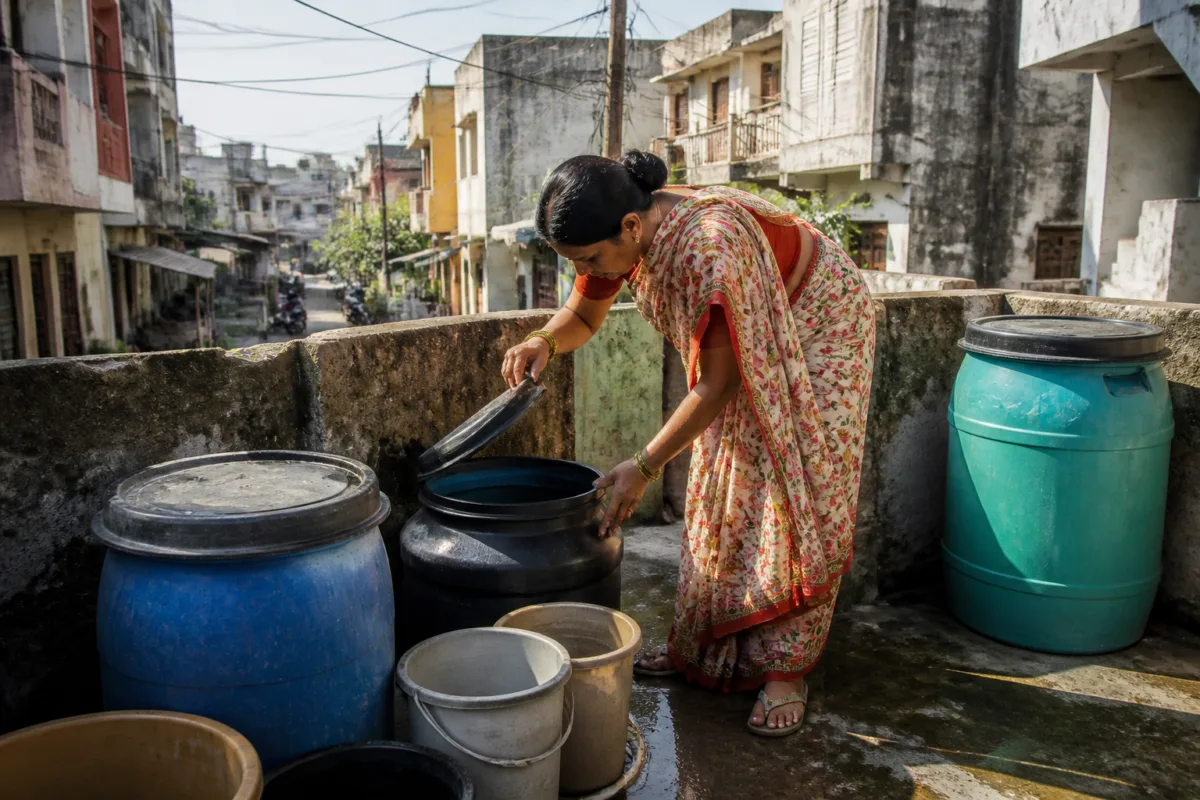
Nagpur dengue cases rose to 72 in the first 18 days of October, surpassing the 46 cases recorded in the whole of September as residents stored water at home amid fears of a shortage, according to health department data reported by the Times of India. Officials have warned that uncovered containers can become breeding grounds for Aedes mosquitoes, which transmit dengue.
The October figure is already 56% higher than September’s tally, despite the absence of rainfall, the report said. Nagpur has recorded 180 dengue cases since January, including the 72 cases reported between October 1 and 18.
Health officials have linked the risk to household water storage practices. Containers left uncovered or not cleaned regularly can allow mosquitoes to breed, making water management an important part of dengue prevention in areas experiencing shortages or irregular supply.
The latest figures show a contrasting pattern in other reported infections. Swine flu cases fell to 22 in the first 18 days of October from 128 in September. The city has recorded 229 swine flu cases since January, with more than half of that total reported in September.
COVID-19 cases remained at zero in September and during the first 18 days of October, although Nagpur has recorded 17 cases since January, according to the health department data cited in the report.
The dengue increase places renewed attention on the relationship between urban water insecurity and disease prevention. When households store water, the safety of those containers becomes part of the city’s wider public-health system. The risk is not limited to large open sites; smaller vessels around homes can also provide breeding locations if they are not tightly covered or regularly cleaned.
Residents have been advised to check homes and surrounding areas for mosquito-breeding sites, keep water containers tightly covered, clean storage vessels regularly and remove stagnant water. These measures are particularly relevant in neighbourhoods where residents are storing water for longer periods because of concerns about supply.
The figures also underline the need for continued surveillance rather than focusing only on seasonal rainfall. While dengue is often associated with monsoon conditions, the October rise reported in Nagpur has occurred in the absence of rainfall and alongside changes in household water practices.
The health department data cited by the Times of India is current as of October 18. The next public-health response will depend on continued monitoring of dengue cases and the identification and removal of mosquito-breeding sites across affected neighbourhoods.

