


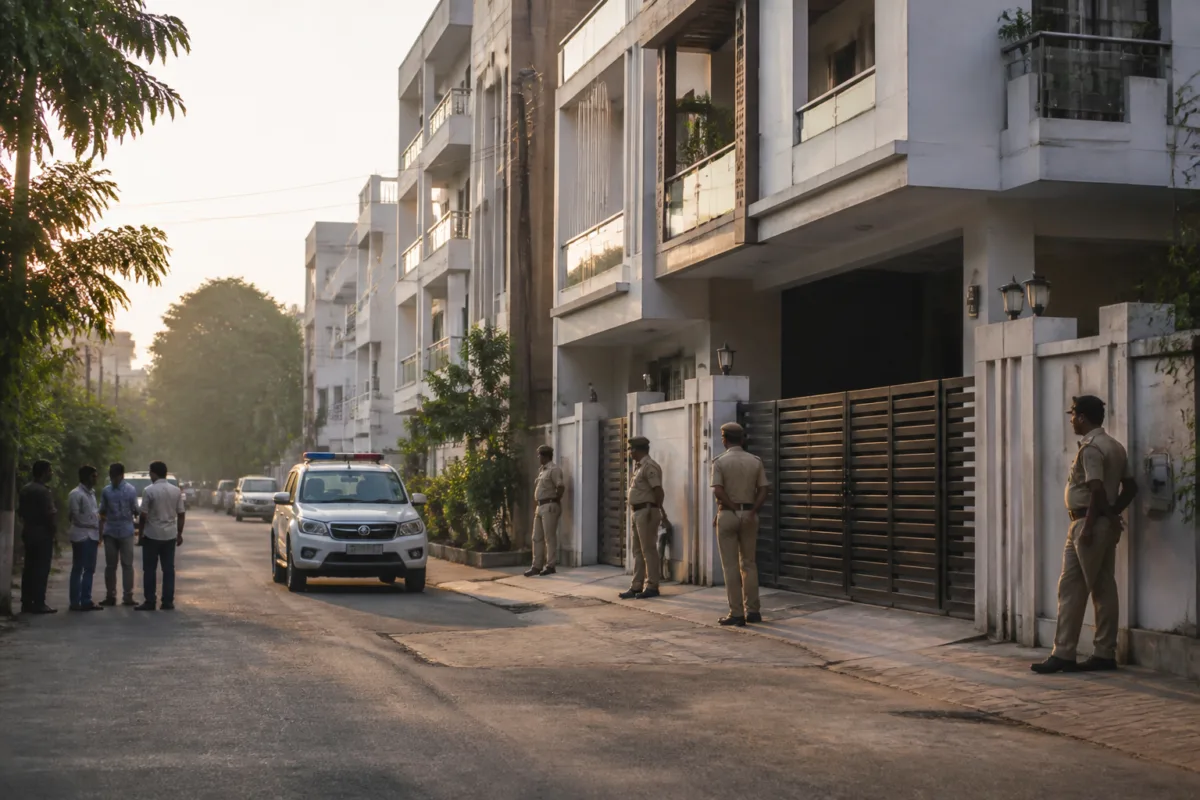
BRS leaders P. Sabitha Indra Reddy and Karthik Reddy were placed under house arrest in Hyderabad ahead of a stakeholders’ consultation on the Musi Riverfront development project, intensifying political tensions around a major urban redevelopment initiative.
Police personnel were deployed outside Sabitha’s residence in Srinagar Colony from 4 am, restricting her movement, according to the report. Karthik Reddy, the BRS in-charge for the Rajendranagar constituency, was also confined to his residence.
The restrictions came before a meeting convened in connection with the Musi Riverfront Development Corporation Limited (MRDCL). Sabitha told reporters and police officers that the BRS had not called for a protest and that she had no plans to attend the consultation. She questioned why restrictions had been imposed on her and accused the Congress government of suppressing democratic rights.
Sabitha also described the situation as resembling an Emergency-like environment. Her remarks placed the house arrests within a wider political dispute over how the state government is handling opposition participation in discussions connected to the Musi project.
The MRDCL managing director, E.V. Narasimha Reddy, said the meeting was a stakeholders’ consultation and not a public hearing. He did not provide further details about the proceedings, including the list of participants or the scope of the consultation.
The distinction between a consultation and a public hearing is significant for residents and other affected stakeholders because the two formats can involve different expectations regarding participation, submissions and disclosure. The information supplied in the report does not establish the formal procedure governing the meeting or whether its proceedings will be made public.
Residents of Madhu Park Ridge said they had not been included in the consultation. They said the local MRO had contacted them about one and a half months earlier to submit their reply, but that they had received no communication since then. Their account indicates that questions over participation extend beyond the political opposition to residents who say they have not received follow-up communication about the project.
The reported events highlight the administrative and public-participation challenges surrounding the Musi Riverfront development project. The project involves land, neighbourhoods and urban redevelopment decisions, making the process of consultation important for residents whose properties or daily lives may be affected. However, the supplied report does not provide details of the project’s land requirements, rehabilitation arrangements, implementation schedule or the number of households potentially affected.
The house arrests also raise questions about how authorities balance law-and-order measures with political and public participation before meetings related to large urban projects. Police did not provide a reason for the restrictions in the material supplied, and the report does not state whether any formal order was issued against the two BRS leaders.
For now, the immediate dispute centres on the treatment of the opposition leaders and the limited information available about the consultation itself. The next points to watch are the MRDCL’s disclosure of the meeting’s proceedings, clarification of the consultation framework and communication with residents who say their earlier submissions have not received a response.

