Mumbai Weather Update Shows Stable Air Quality Levels
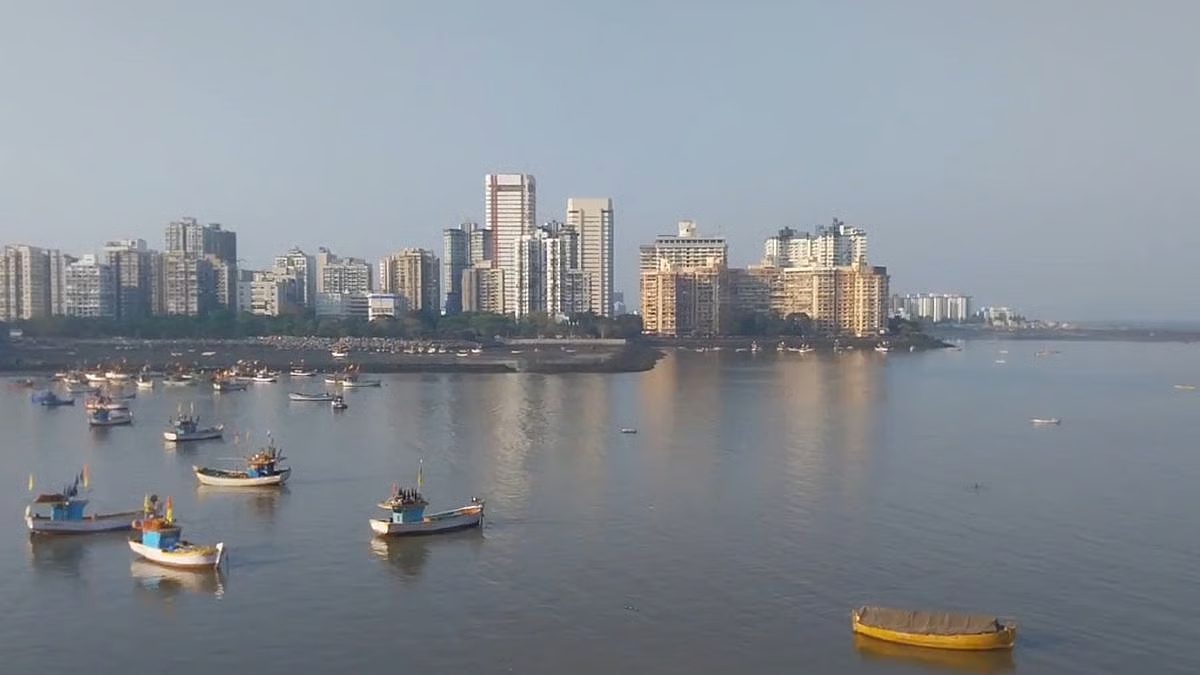
Mumbai is set to experience relatively stable atmospheric conditions, with partly cloudy skies and moderate temperatures prevailing across the city and its suburbs. The latest Mumbai weather update indicates daytime highs in the low thirties and milder nights, while air quality levels remain within acceptable limits for most residents—offering short-term relief amid growing concerns around urban pollution and climate variability. Data from national monitoring systems shows that the city’s air quality index is currently in the ‘satisfactory’ range. At this level, environmental conditions are generally safe for the broader population, although individuals with respiratory sensitivities may experience mild discomfort. The reading reflects a balance between ongoing emissions and atmospheric dispersion influenced by coastal winds.
Urban climate experts point out that Mumbai’s coastal geography plays a critical role in regulating air quality. Sea breezes help disperse pollutants, particularly during transitional weather periods, preventing the accumulation seen in many inland cities. However, this natural advantage is increasingly under pressure from rising vehicular emissions, construction activity, and industrial output. The current Mumbai weather update also highlights a seasonal transition phase, where cloud cover begins to build ahead of the monsoon cycle. While such conditions can moderate daytime heat, they may also trap pollutants closer to the surface if wind speeds decline. This dynamic underscores the need for continuous monitoring rather than reliance on short-term improvements. From an urban planning perspective, maintaining air quality within safe limits remains a long-term challenge. Experts argue that incremental improvements in public transport, cleaner fuels, and green infrastructure are essential to sustaining healthy air conditions.
Expanding metro networks, promoting electric mobility, and preserving urban green spaces can collectively reduce pollution intensity over time. There are also economic and public health dimensions to consider. Air quality directly influences workforce productivity, healthcare costs, and overall quality of life. Even when classified as ‘satisfactory’, prolonged exposure to moderate pollution can have cumulative health effects, particularly in densely populated areas. The interplay between weather patterns and pollution levels is becoming more pronounced as cities face climate change impacts. Variability in rainfall, temperature fluctuations, and changing wind patterns can all influence how pollutants behave in urban environments. In this context, the Mumbai weather update serves not just as a daily forecast but as an indicator of broader environmental trends.
For residents, the immediate outlook suggests manageable conditions, with no extreme weather alerts in place. However, urban experts emphasise that sustained improvements in air quality will depend on structural interventions rather than favourable weather alone. As Mumbai approaches the monsoon season, the focus is likely to shift towards how climatic changes interact with infrastructure, public health, and environmental resilience—areas that will define the city’s long-term sustainability trajectory.