


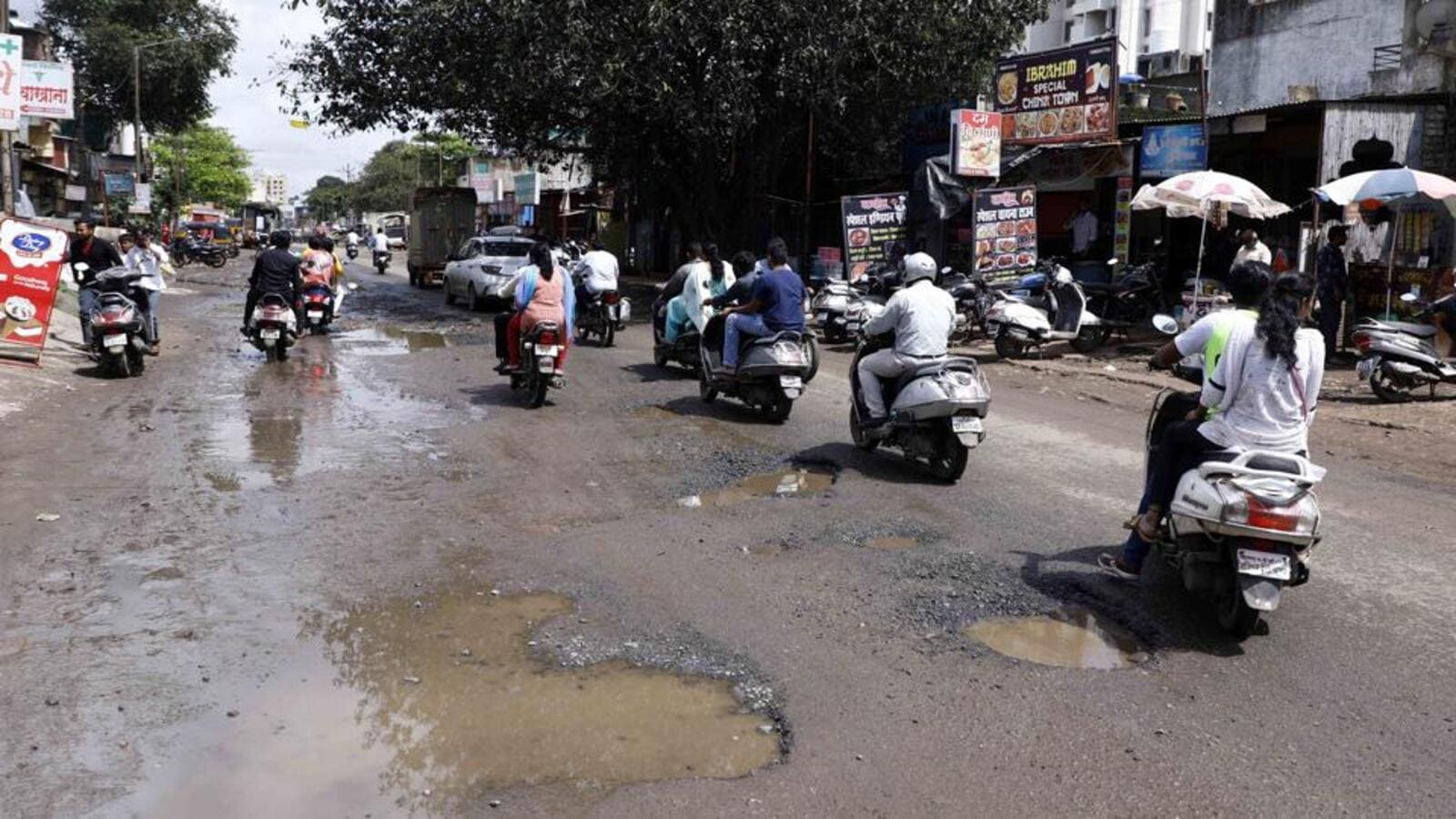
Mumbai’s political landscape is increasingly being defined by a new vision for urban development, with a senior government official unveiling an ambitious infrastructure plan for the metropolis. The proposals, which include the promise of pothole-free roads and enhanced metro connectivity within 18 months, are more than just a pre-election gambit. They represent a strategic effort to address long-standing civic issues and align the city’s future with the global agenda of creating zero-net-carbon, eco-friendly, and equitable cities. These projects are poised to be a central theme in the upcoming local body elections, as the government seeks to position itself as the harbinger of tangible change and progress.
At the heart of this urban transformation is a renewed focus on mobility and sanitation. The government has initiated a massive road concretisation project, a key measure to eliminate the city’s chronic pothole problem. A senior official stated that this initiative will result in a completely pothole-free road network within a year and a half. This is a critical step towards achieving a sustainable transport system. Well-maintained roads reduce traffic congestion and the stop-and-go driving that significantly increases vehicular emissions and fuel consumption. In tandem, the commencement of work on seven new sewage treatment plants is a landmark move to stop polluted water from entering the sea, which will directly enhance the city’s coastal ecosystem and promote an eco-friendly environment.
The plan also heavily emphasises the expansion of Mumbai’s metro network. The official highlighted that the aim is to extend the network to over 350-400 km, providing last-mile, end-to-end connectivity across the Mumbai Metropolitan Region. This investment in a robust, high-capacity public transport system is vital for weaning the city off its over-reliance on private vehicles. A widespread metro network not only offers a faster and more reliable commute but also drastically reduces the collective carbon footprint of the city’s transport sector, contributing to a zero-net-carbon future. The restart of several previously stalled metro projects is a clear signal of the government’s commitment to this vision.
Furthermore, the urban development agenda includes significant strides towards creating a more equitable and inclusive city. The revival of long-pending housing projects under the slum rehabilitation scheme is designed to provide secure and formal housing for thousands, reversing the trend of people being forced to move to distant suburbs. This effort to create an inclusive city is complemented by the expansion of the “Balasaheb Thackeray Aapla Dawakhana” scheme, which ensures free medical checkups and medicines for the poor in slum areas. These initiatives, by ensuring access to essential services and dignified living conditions, are crucial for fostering a truly gender-neutral and equitable urban environment for all citizens.
The development blueprint for Mumbai is a multifaceted approach to modern governance, tackling infrastructure, environment, health, and housing simultaneously. The success of these projects will depend on sustained political will and efficient execution, which will be the ultimate measure of the government’s performance in the eyes of its citizens.
Also Read :Greater Noida to finalise developer for Rs 1,200 cr multimodal logistics park
Mumbai unveils MahaYutis plan pothole‑free roads and enhanced metro connectivity
