


Mumbai’s Slum Rehabilitation Authority has proposed reducing the documents and administrative stages required to sell eligible rehabilitation flats after the mandatory five-year restriction period, a move that could shorten a process currently described as time-consuming and complicated. The proposal has been sent to the Maharashtra government for approval, according to senior SRA officials cited by Loksatta.
Under the proposed system, applicants would need to submit five documents instead of the 13 currently required. The proposed list includes the possession letter, Annexure II, the buyer’s income-tax certificate or income proof, the buyer’s proof of residence and the housing society’s no-objection certificate.
The existing process requires a wider set of documents from both the beneficiary and the proposed buyer. These include the beneficiary’s Aadhaar card, share certificate, photograph, possession letter, Annexure II, a photograph taken when possession was received, the beneficiary’s signature, the buyer’s income-tax certificate or income proof, proof of the buyer’s residence, an affidavit, the society’s no-objection certificate, the buyer’s Aadhaar card and the buyer’s signature.
The SRA has also proposed reducing the sale procedure from five stages to two. The change will be implemented only after the state government approves the proposal, the officials said. Until then, the existing documentation and processing requirements will remain applicable.
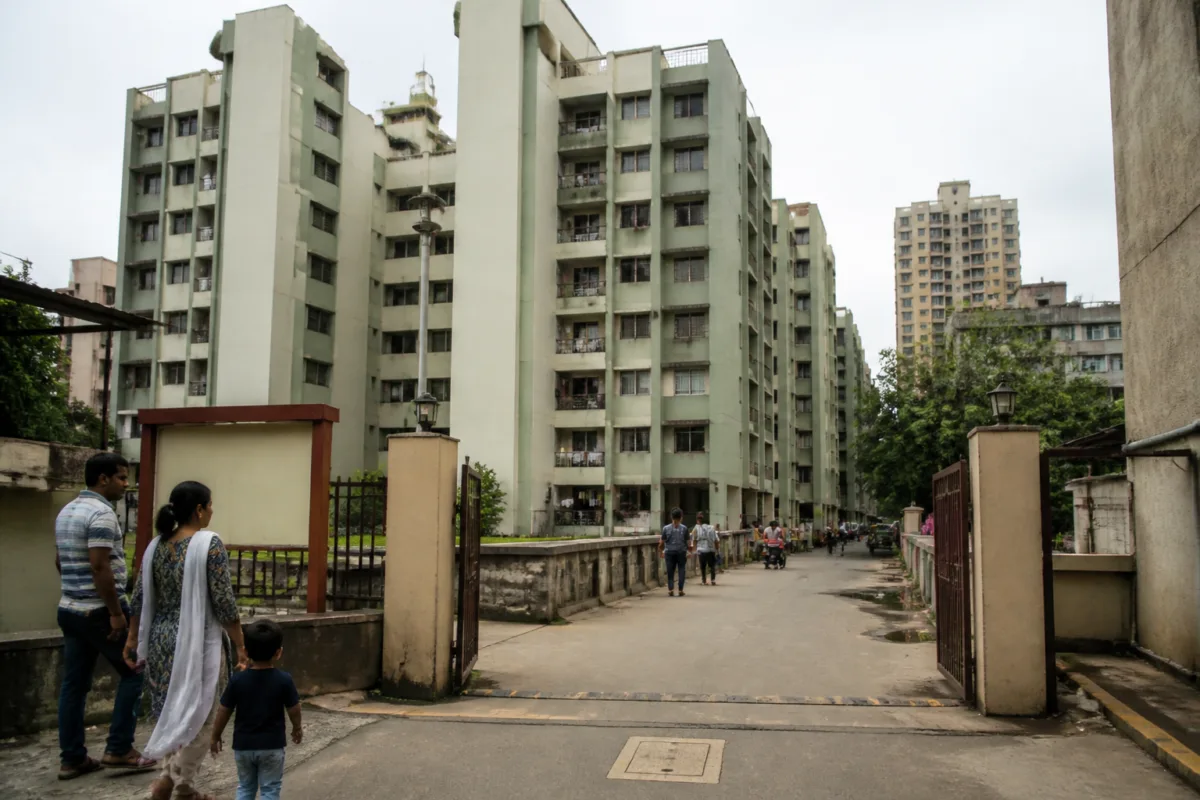
The proposal relates to homes in rehabilitated buildings developed under Mumbai’s slum rehabilitation programme. Eligible slum residents receive ownership-based homes in these buildings as part of redevelopment intended to replace informal settlements with permanent housing.
SRA rules restrict the transfer of these homes for a defined period so that the benefit of rehabilitation remains with the eligible beneficiary. The restriction was earlier set at 10 years from the date of possession. Following demands to reduce the period, it was brought down to five years with the government’s approval. A beneficiary cannot sell the home during this restricted period; action can be taken against violations, including cancellation of the allotment.
Once five years have elapsed from possession, a sale is permitted, but the administrative process remains lengthy under the current system. The proposed reduction in paperwork is intended to make eligible transactions faster while retaining documents linked to possession, beneficiary eligibility, buyer income, residence and the housing society’s consent.
The next step is the state government’s decision on the SRA proposal. The authority’s proposed two-stage process and five-document requirement will take effect only after that approval.

