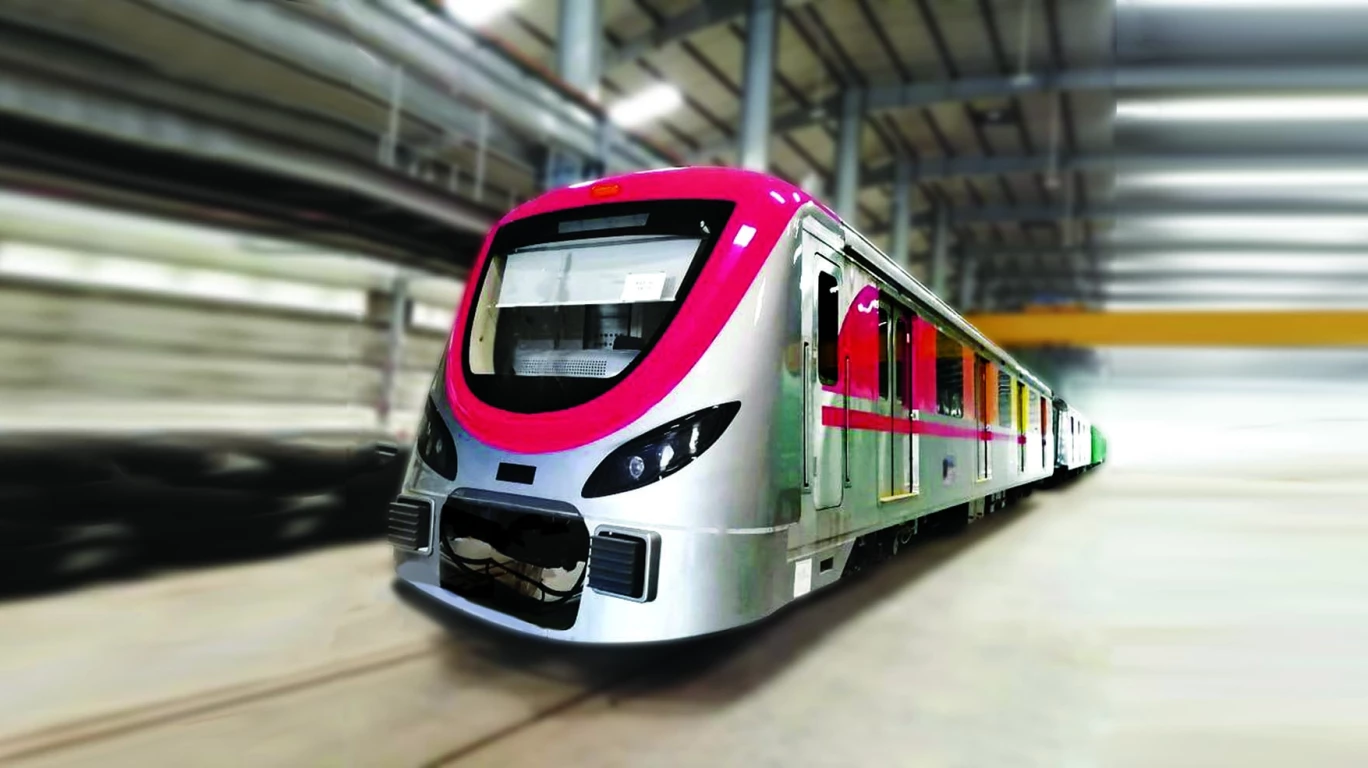
Mumbai Metro fares could soon see an upward revision as the Maharashtra government has initiated the process to set up a fare-fixing committee, potentially paving the way for higher ticket rates on select corridors. The move aims to address the widening financial gap faced by the city’s metro operations while balancing commuter affordability and system sustainability.
The state government has forwarded a proposal to the Union government’s Salt Pan Department, seeking approval to constitute the committee under the chairmanship of a High Court judge. Once cleared, the panel will examine the current fare framework of the Mumbai Metropolitan Region Development Authority (MMRDA)-operated Metro Lines 2A and 7, which connect Dahisar to Andheri (West) and Gundavali respectively. Officials said the request originated from MMRDA earlier this year after internal assessments revealed that current fares are insufficient to cover operational costs. The metro agency, which manages both elevated corridors, has reportedly struggled with lower-than-expected ridership and rising maintenance expenses.
At present, commuters on these lines pay ₹20 for journeys spanning 3 to 12 kilometres — a rate that remains among the lowest for urban metro systems in India. By comparison, the privately operated Versova–Ghatkopar Metro 1 charges ₹40 for an 8–11.4 km stretch, while the upcoming underground Metro 3 proposes ₹40 for distances between 8 and 12 km. MMRDA data indicates that daily ridership across its lines has stabilised around 3 lakh passengers — only a third of the 9 lakh projected in the Detailed Project Report. Experts attribute this shortfall to route duplication with existing suburban railways and a slower-than-expected modal shift among commuters still dependent on private vehicles or buses.
Urban transport planners suggest that fare adjustments, while necessary for financial sustainability, must be carefully calibrated to avoid discouraging ridership. “A cost-reflective fare structure is crucial for long-term viability, but pricing must remain inclusive, particularly for daily wage workers and low-income commuters,” said a transport policy expert. Officials added that MMRDA’s operating costs have increased due to inflation, electricity tariffs, and maintenance obligations, prompting the need for a formal fare review. The fare-fixing committee, once established, is expected to assess ticket rates, operational sustainability, and affordability before issuing revised fare bands.
If approved, the fare revision will mark the first major policy shift since the lines opened. Observers note that this could set a precedent for balancing financial recovery with equitable urban mobility — a challenge central to Mumbai’s journey towards a sustainable, low-carbon transport future.
Mumbai Metro Fare Committee Proposal May Lead To Price Hike Soon