Mumbai’s urban transit landscape is poised for a significant upgrade as the city prepares to inaugurate Metro Line 2B, the first corridor linking its eastern and western suburbs. Stretching from Mandalay in the east to Andheri in the west, the project aims to slash commuting times for thousands of residents while easing pressure on congested suburban roads.
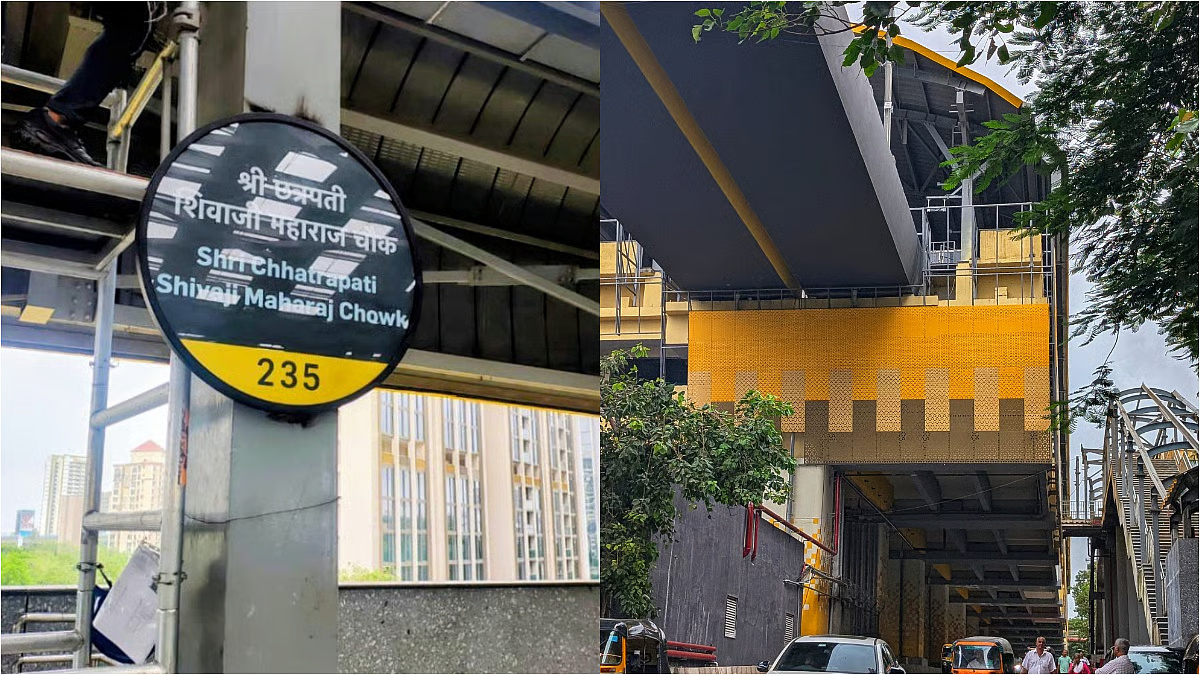
The initial phase, running from Mandalay to Diamond Garden in Chembur, comprises five operational stations: Mandalay, Mankhurd, BSNL Metro, Shivaji Maharaj Chowk, and Diamond Garden. Authorities have confirmed that test runs are underway, with inauguration expected by 30–31 October 2025. Once complete, the full 20-station corridor will provide seamless connectivity to major residential and commercial zones across the city. “Metro 2B is designed to integrate with existing and upcoming transit networks, including Metro 2A, Metro 3, Metro 4, and the Chembur Monorail,” said an official overseeing the project. This integration is expected to facilitate smoother commutes towards South Mumbai, the airport corridor, and other strategic urban hubs, reinforcing the suburban rail-metro synergy that city planners have long envisioned.
The corridor is not only a transport upgrade but also a step towards sustainable urban mobility. By offering a fast, reliable alternative to private vehicles, Metro 2B will contribute to reduced road congestion, lower emissions, and more equitable access to public transport. Experts highlight that such projects are crucial in rapidly urbanising cities, where traditional road networks struggle to keep pace with population growth. Each station has been designed with commuter comfort and efficiency in mind. Facilities include accessible entry and exit points, real-time digital train information, and provisions for safe passenger circulation during peak hours. These improvements reflect Mumbai Metro Rail Corporation’s broader commitment to designing inclusive, user-focused infrastructure.
For daily commuters, Metro 2B promises substantial benefits. Current travel across the eastern and western suburbs can take over two hours by road during peak periods. With the metro operational, travel times are expected to drop significantly, offering a reliable alternative for students, office-goers, and residents across densely populated areas. Looking ahead, Metro 2B is part of a long-term vision to modernise Mumbai’s urban transit framework. Authorities emphasise that reducing travel time while enhancing safety, accessibility, and environmental sustainability remains central to the project. Once operational, the line is set to redefine commuting norms, establishing a model for future city transport initiatives.
Mumbai Metro 2B First Link Connects Mandalay Andheri Cutting Commuter Travel Time