Mumbai Launches WhatsApp Chatbot For Transport Access
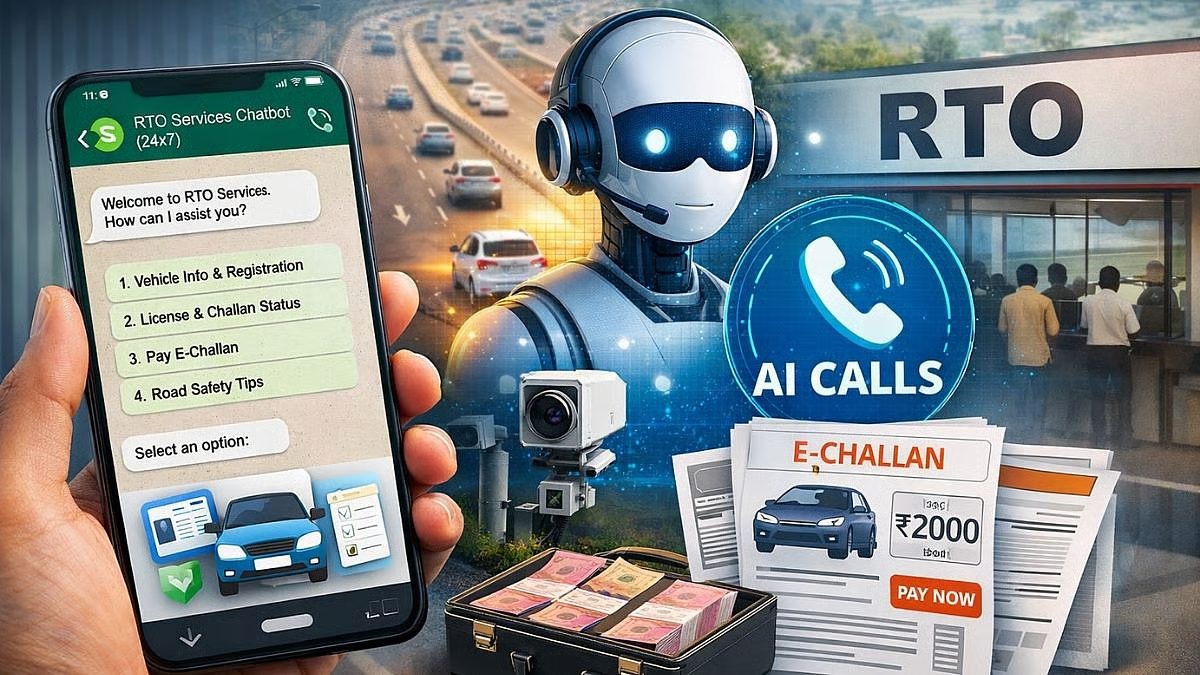
Mumbai’s transport administration is preparing a digital overhaul of citizen-facing services with plans to introduce a WhatsApp chatbot and expand AI-based call systems to improve compliance with traffic penalties. The move signals a broader shift towards technology-led governance aimed at reducing physical dependency on Regional Transport Offices while improving efficiency in enforcement and service delivery. The proposed WhatsApp chatbot is designed as a single-window interface for routine vehicle-related services, allowing users to access information and complete transactions through their mobile devices. Officials indicate that services such as licence-related queries, vehicle registration details, tax payments, and penalty tracking will be integrated into the platform. By shifting these interactions online, the initiative seeks to reduce long queues and administrative burden at transport offices across the state.
Mumbai’s RTO network handles significant daily footfall, often for basic services that could be digitised. Urban governance experts note that introducing a WhatsApp chatbot aligns with changing user behaviour, where mobile-based communication has become the default interface for accessing public services. The approach could help bridge gaps in accessibility, particularly for users who may find conventional web portals less intuitive. Alongside service delivery improvements, authorities are focusing on strengthening enforcement through an expanded AI-driven calling system. The system, currently tested in select locations, uses automated voice outreach to remind vehicle owners of pending fines and encourage timely payments. With a substantial portion of e-challans remaining unpaid, officials view this as a necessary step to improve compliance and ensure accountability in traffic management. The combined use of a WhatsApp chatbot and AI-based enforcement tools reflects an integrated strategy—one that balances convenience with regulatory oversight.
Transport analysts suggest that improving fine recovery rates is not just a revenue concern but also a behavioural one, as consistent enforcement can influence long-term adherence to road safety norms. From a sustainability perspective, reducing in-person visits to RTOs may also contribute to lower travel demand, indirectly cutting emissions associated with short-distance trips. At the same time, digital alerts and awareness messages delivered through the chatbot could support safer mobility practices, including adherence to helmet and seatbelt regulations and timely updates during extreme weather events. However, the success of the WhatsApp chatbot will depend on user adoption, data privacy safeguards, and system reliability. Experts caution that while digital platforms can streamline processes, they must remain inclusive for those with limited digital access or literacy. Ensuring multilingual support and simple interfaces will be critical to achieving widespread usage.
As Indian cities increasingly adopt digital tools to manage complex urban systems, Mumbai’s approach illustrates how technology can reshape everyday governance. The effectiveness of this model will likely influence how other regions integrate digital communication and artificial intelligence into public service delivery and traffic management frameworks.