


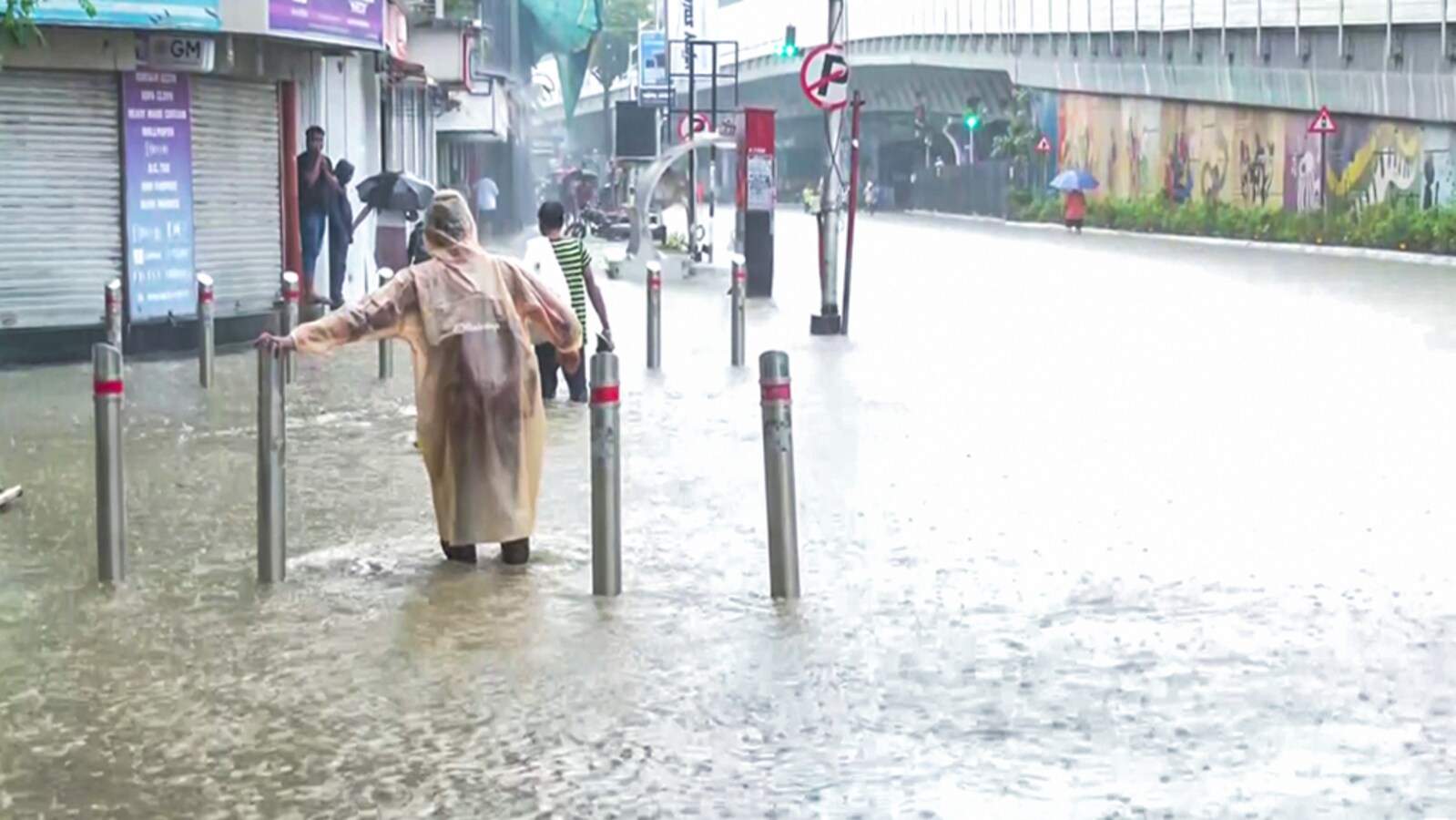
India’s financial capital, Mumbai, and its sprawling suburbs are bracing for an onslaught of heavy monsoon showers, with particular concern focused on the densely populated Bandra-Andheri stretch, anticipated to be among the worst affected areas. This impending deluge underscores the perennial challenge faced by the megacity in managing intense rainfall events, highlighting the critical need for robust urban planning, resilient infrastructure, and adaptive strategies to mitigate the socio-economic disruptions caused by climate-induced weather extremes.
The cyclical nature of Mumbai’s monsoon, while essential for the region’s water security, consistently tests the limits of its urban infrastructure. Years of rapid, often unplanned, urbanisation have left large swathes of the city vulnerable to waterlogging and localised flooding. The Bandra-Andheri corridor, a vital artery for daily commuters and commercial traffic, is particularly susceptible due to its low-lying areas and the intricate network of roads and railway lines that crisscross it. Disruptions in this area can cascade across the entire city, impacting public transport, supply chains, and daily livelihoods.
Also Watch: “Mumbai will rock, shine and always be India’s best city to live.” In an exclusive, MHADA CEO Sanjeev Jaiswal (IAS) talks about Mumbai’s enduring charm, livability, and the government’s focus on making it affordable for all
Effective monsoon preparedness in a city as populous and geographically constrained as Mumbai demands a multi-faceted approach. Beyond immediate disaster response, long-term strategies must focus on enhancing drainage systems, reclaiming and protecting natural floodplains, and implementing sustainable urban drainage solutions like permeable pavements and green infrastructure. These measures are crucial not only for managing water flow but also for promoting groundwater recharge and reducing the urban heat island effect, contributing to a more eco-friendly and climate-resilient city.
The human element remains central to this narrative. Residents, businesses, and municipal authorities must collaborate closely to ensure preparedness. This includes timely dissemination of weather advisories, clear communication channels for emergency services, and community-level initiatives for waste management to prevent clogged drains. The impact of heavy rains extends beyond mere inconvenience; it can lead to health hazards, economic losses, and disproportionately affect vulnerable communities, highlighting the imperative for equitable urban planning that considers all segments of society.
As Mumbai anticipates another round of intense monsoon activity, the focus shifts to the efficacy of its preparedness measures and the long-term vision for its urban resilience. The recurring challenges posed by heavy rainfall serve as a stark reminder of the urgent need for integrated urban development strategies that prioritise environmental sustainability, robust infrastructure, and social equity. Only through proactive and holistic planning can Mumbai truly evolve into a city that not only withstands the forces of nature but thrives amidst them, ensuring a safe and prosperous future for its millions of inhabitants.
Also Read: Air India Flight AI 2744 Skids Off Mumbai Runway Amid Rain Today
