


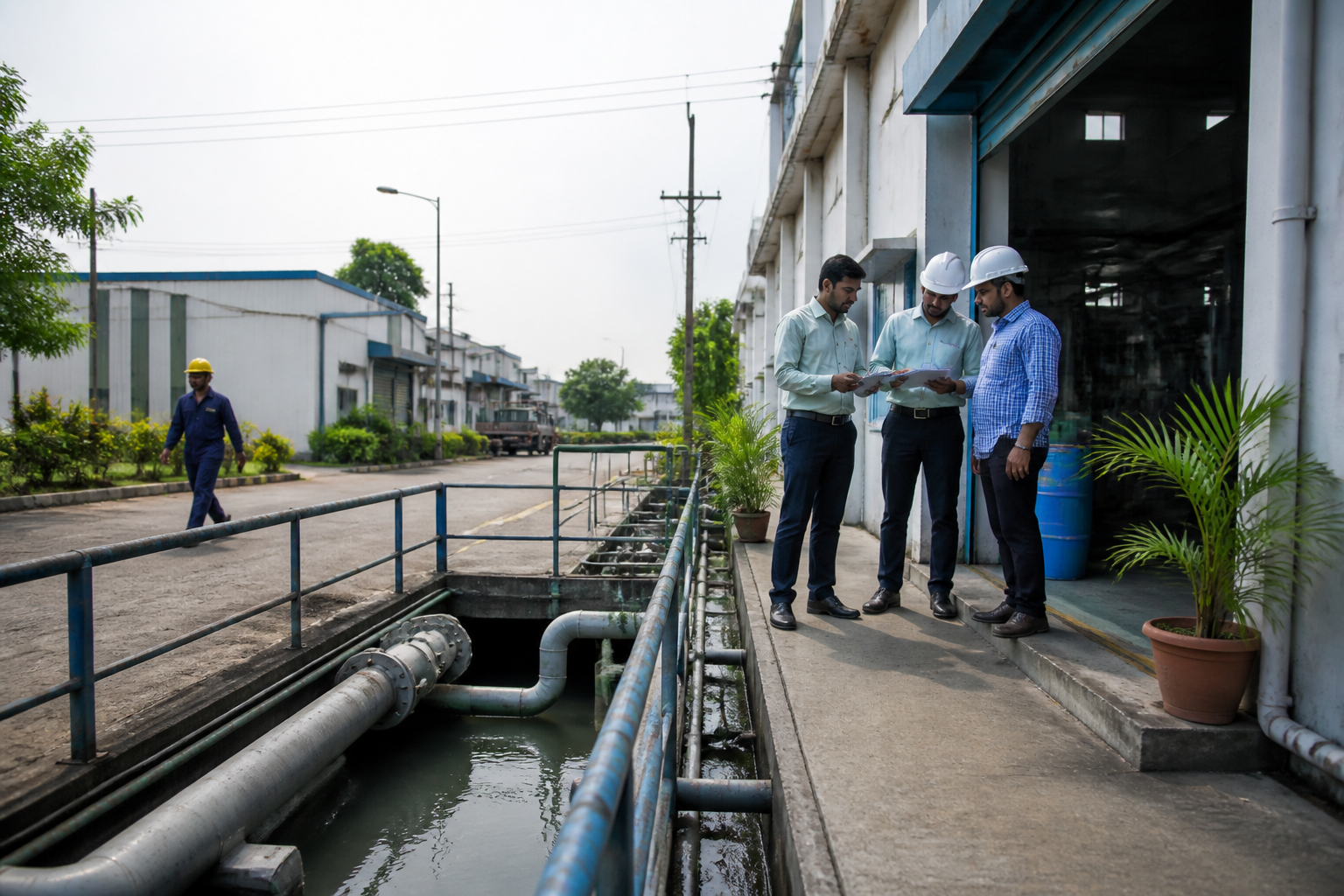
The Maharashtra Pollution Control Board has simplified the environmental clearance process for micro and small industries located in notified industrial estates and industrial areas, allowing self-certified applications to be treated as consent to start operations, according to a report by Loksatta – Mumbai.
The revised process brings together approvals required under laws governing water and air pollution, along with permissions related to different categories of waste management. The stated objective is to reduce the time and administrative procedures involved in obtaining environmental consent before an industrial unit begins operations.
Under the new arrangement, eligible micro and small enterprises in notified industrial locations will be able to submit self-certified applications. Consent required for starting operations will then be considered granted, subject to compliance with pollution-control conditions, environmental regulations and applicable laws. The relaxation does not remove the responsibility of industries to meet those requirements.
The changes follow amendments made to the water and air pollution control laws after the Centre enacted the Jan Vishwas Act in 2023. The central government subsequently issued guidelines concerning the granting of consent, with further changes introduced in 2026. The revised provisions in Maharashtra were made after considering changes proposed by the MPCB, the report said.
The decision also changes the basis for calculating consent fees for local bodies and infrastructure projects. The volume of sewage generated will now be a key criterion for determining the annual fee. For housing projects generating up to 10,000 litres of sewage a day, the annual fee will be Rs 5,000, while other projects in the same category will pay Rs 7,500.
For projects generating between 10,000 and 50,000 litres of sewage daily, the annual fees will be Rs 15,000 for housing projects and Rs 22,500 for other projects. In the 500,000-to-1-million-litre range, the fees will be Rs 65,000 for housing projects and Rs 97,500 for other projects.
Projects generating more than 2.5 million litres of sewage per day will pay an annual fee of Rs 4 lakh if they are housing projects and Rs 6 lakh for other projects. The revised fee structure links the consent charge more directly to the volume of sewage that a project is expected to generate.
The simplified approval process is intended to reduce procedural delays for smaller industrial units, while the revised sewage-based fee structure applies to local-government and infrastructure projects. Industries and projects will remain responsible for meeting pollution-control and waste-management requirements under the applicable legal framework.
