


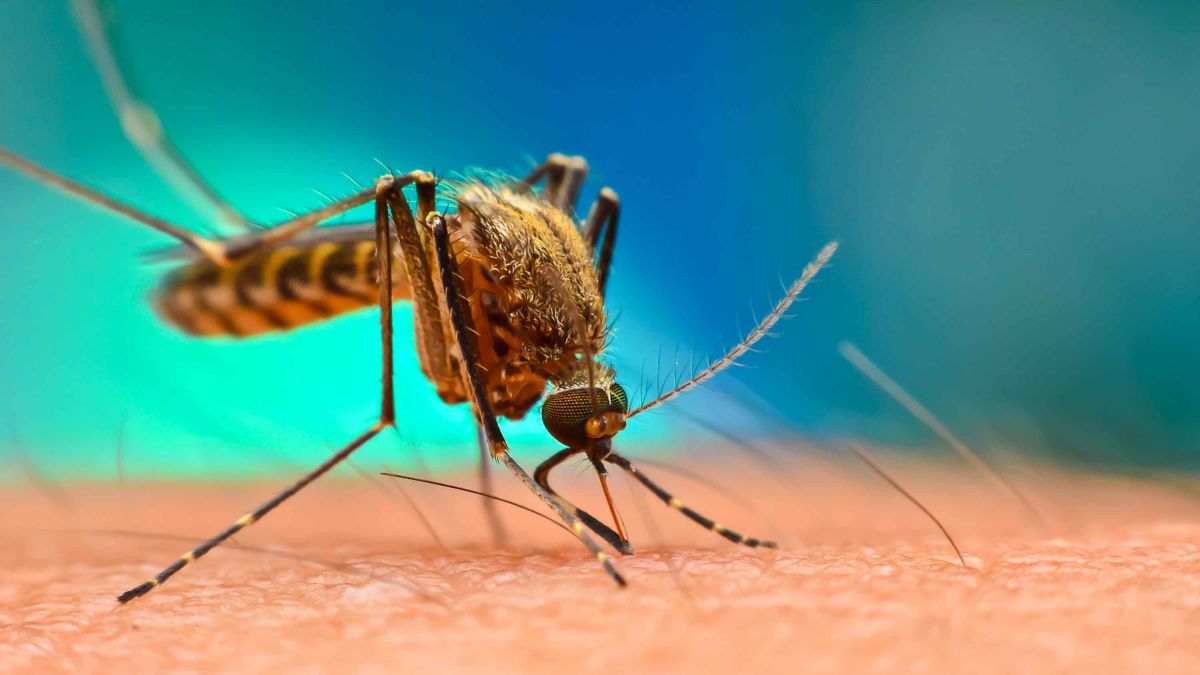
Maharashtra has witnessed a staggering 122% increase in dengue cases over the past year, marking a significant health challenge amidst a broader landscape of vector-borne diseases. According to the latest economic survey, dengue cases surged from 8,822 in 2022-23 to 19,611 in 2023-24, with fatalities rising from 27 to 55. Major urban centres such as Mumbai, Pune, and Nagpur have reported substantial increases, underscoring the severity of the outbreak.
Malaria cases rose modestly from 14,533 to 16,821 during the same period, yet fatalities decreased by 17%. The rise in chikungunya cases, also transmitted by the aedes aegypti mosquito responsible for dengue, more than doubled from 1,011 to 2,504 cases, further complicating the public health scenario.
Health officials attribute the surge in dengue cases to global weather patterns and increased temperatures conducive to mosquito breeding. Strengthened reporting mechanisms have also played a role in the heightened detection of vector-borne diseases across the state.
The economic survey also highlights ongoing challenges in tuberculosis (TB) management, with an increase in suspected cases per lakh population from 1,552 to 2,027, despite a consistent 87% cure rate. Concerns persist regarding the achievability of the national TB elimination goal by 2025, with frontline healthcare professionals reporting rising caseloads and potential gaps in strategy implementation.
Moreover, the survey reveals a mixed picture in the management of leprosy, with new cases rising to 20,001 in 2023-24. This increase has pushed the prevalence rate to 1.16 cases per 10,000 population, reflecting ongoing efforts required in disease eradication programmes.
Amidst these health challenges, Maharashtra has shown an increase in health expenditure under the National Rural Health Mission, rising from Rs 3,631 crore in 2022-23 to Rs 3,825 crore in 2023-24. Similarly, expenditure under the National Urban Health Mission has increased from Rs 233.7 crore to Rs 373.3 crore during the same period, indicating proactive steps towards enhancing healthcare infrastructure and service delivery.
As Maharashtra navigates these health challenges, the emphasis remains on bolstering preventive measures, enhancing treatment protocols, and ensuring adequate healthcare infrastructure to effectively combat the rising burden of vector-borne and infectious diseases across the state.
