


The Centre has redrafted the proposed eco-sensitive zone (ESZ) around Mahananda Wildlife Sanctuary in north Bengal, reducing the minimum buffer from 5km to 1km and placing a 539.86-sq-km area across three districts under a revised regulatory framework.
The draft notification was issued by the Union environment ministry under the Environment (Protection) Act, 1986. It proposes an ESZ extending between 1km and approximately 18.2km from the sanctuary boundary, depending on the location. The proposed zone covers parts of Darjeeling, Kalimpong and Jalpaiguri districts.
The revised notification includes a new boundary description, maps and geographical coordinates for key points within the proposed zone. It also lists villages, tea gardens and forest areas falling within the area. These details are intended to define the limits of the ESZ and identify the settlements and land uses that may be affected by the final notification.
The West Bengal forest department said in a press note that the draft notification, dated October 27, is available on its website. Stakeholders and other interested persons can submit suggestions or objections to the Union environment ministry within 60 days of the notification’s publication. Submissions can be made by post or email, according to the press note.
An eco-sensitive zone is intended to regulate activities around protected areas rather than automatically prohibit all activity. In the Mahananda proposal, the change in the minimum distance is significant because it narrows the proposed buffer at some locations from 5km to 1km. The notification does not, in the material available, provide a separate activity-wise list of what would be permitted, restricted or prohibited within each part of the revised zone.
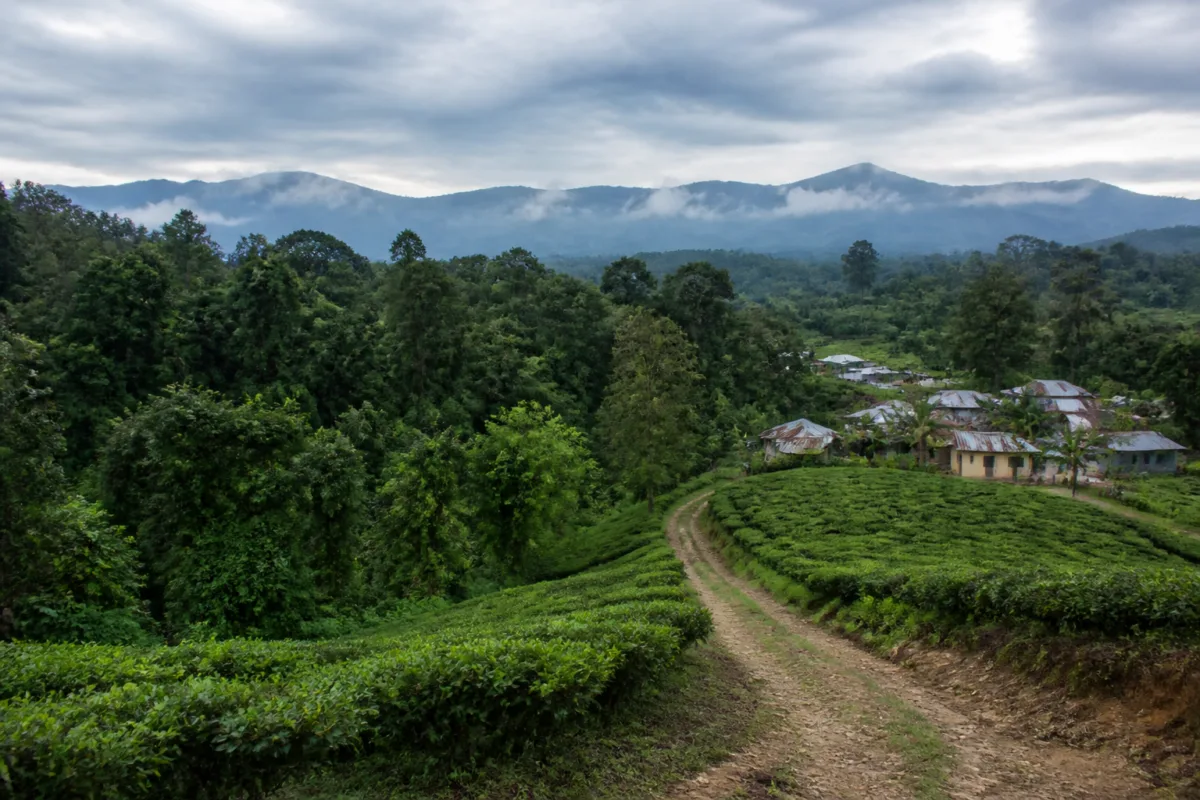
The proposed area is spread across a landscape that includes villages, tea gardens and forest areas, making the boundary question relevant to both conservation administration and local land-use management. The notification’s maps and coordinates are therefore central to determining how the draft would operate on the ground if finalised.
The redraft also places Mahananda’s proposed buffer within the wider variation in ESZ limits around protected areas in West Bengal. According to the report, the ESZ around Jaldapara ranges from zero to 5km, while those around Neora Valley and Singalila national parks extend up to 2km. The comparison indicates that buffer distances are not uniform across the state’s protected areas.
The draft now enters a formal consultation stage. The Union environment ministry will receive objections and suggestions during the 60-day window before any final decision on the proposed ESZ. Until that process is completed, the revised 1km-to-18.2km boundary remains a draft proposal rather than a final notified zone.

